History · Ancient Greece
The Persian Wars (499-449 BCE)
The Classical Period of ancient Greece, spanning from 480 BCE to 323 BCE, represents the pinnacle of Greek civilization and one of the most influential eras in human history. This remarkable period witnessed the flowering of democ…
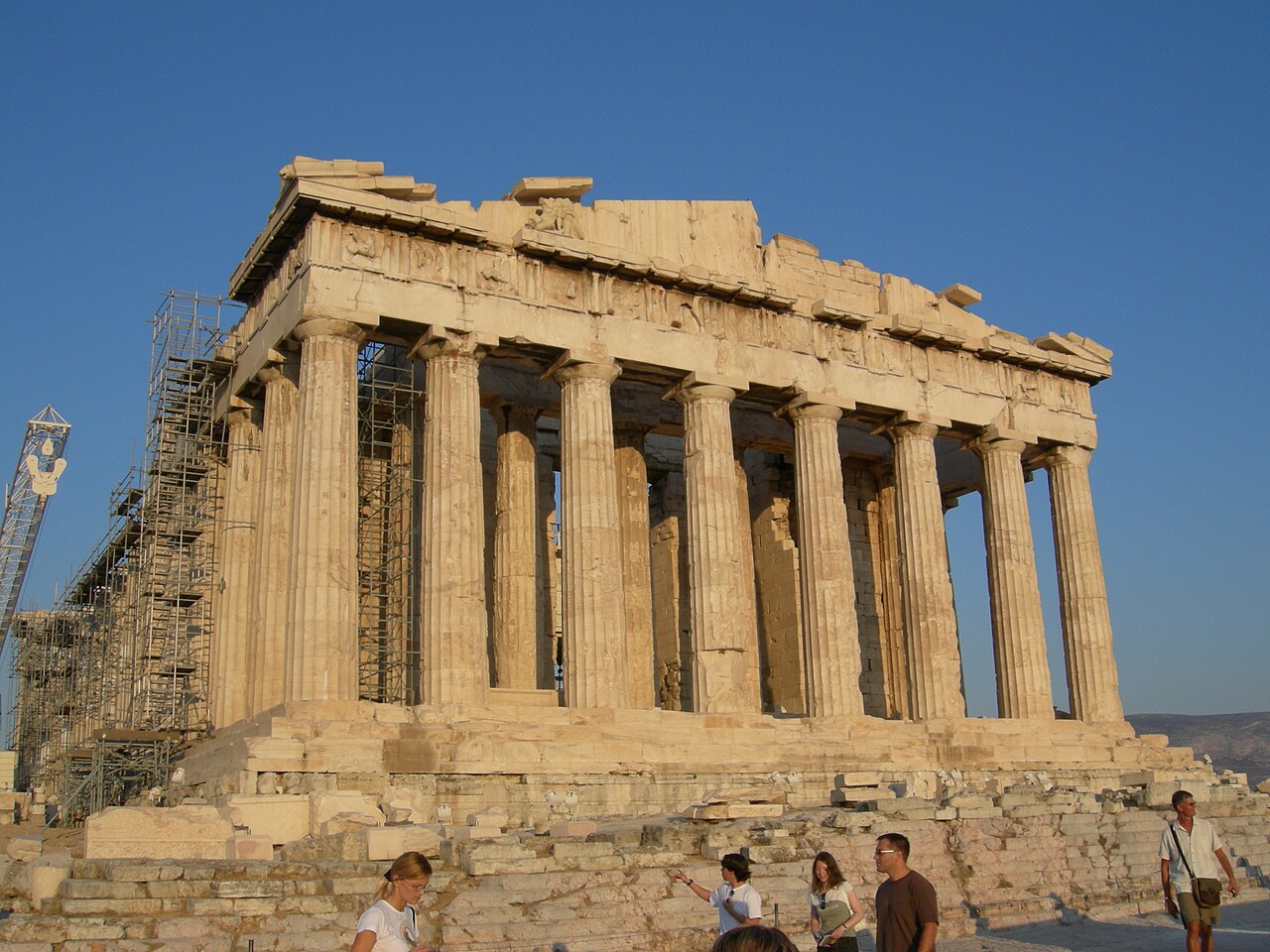
The Classical Period of ancient Greece, spanning from 480 BCE to 323 BCE, represents the pinnacle of Greek civilization and one of the most influential eras in human history. This remarkable period witnessed the flowering of democracy in Athens, the creation of enduring works of philosophy, drama, and art, the construction of architectural masterpieces like the Parthenon, and the emergence of scientific and rational thought that would fundamentally shape Western civilization. The Classical Period transformed the innovations of the Archaic era into mature achievements that continue to influence political thought, artistic expression, and intellectual inquiry to this day.
Introduction
This golden age began with the successful Greek resistance to Persian invasion during the Persian Wars (499-449 BCE) and concluded with the death of Alexander the Great in 323 BCE, whose conquests had spread Greek culture throughout the known world. Between these bookends, Greek civilization achieved unprecedented heights in virtually every field of human endeavour, from political organization and military strategy to philosophy and artistic expression. The confidence gained from defeating the mighty Persian Empire, combined with the economic prosperity that followed, created conditions that enabled extraordinary cultural and intellectual achievements.
The Classical Period was characterized by the dominance of Athens as a cultural and political centre, though other city-states like Sparta, Thebes, and Syracuse also played crucial roles in shaping the era's developments. The contrast between Athenian democracy and Spartan oligarchy provided competing models of political organization, while the ongoing rivalry between these two powers ultimately led to the devastating Peloponnesian War that marked the beginning of the end of the classical polis system. Despite these conflicts, or perhaps because of them, the period produced an extraordinary flowering of human creativity and achievement that established enduring standards for civilization itself.
The geographical scope of Classical Greek influence extended far beyond the traditional boundaries of Greece to include colonies throughout the Mediterranean, tributary states in the Athenian empire, and ultimately the vast territories conquered by Alexander the Great. This expansion created networks of cultural exchange that enriched Greek civilization while spreading Greek ideas, institutions, and artistic forms throughout the ancient world. The synthesis of Greek culture with local traditions in these diverse regions created the foundations for the Hellenistic civilization that would succeed the Classical period and continue Greek influence for centuries.
The Persian Wars and Greek Unity
The Persian Wars (499-449 BCE) marked the beginning of the Classical Period and provided the confidence, unity, and prosperity that enabled subsequent Greek achievements. The successful defence against the Persian Empire, the largest and most powerful state in the ancient world, demonstrated Greek military capability and political resolve while creating a sense of cultural superiority that would characterize Classical Greek attitudes toward non-Greek peoples.
The Ionian Revolt (499-494 BCE) began the conflict when Greek cities in Asia Minor rebelled against Persian rule with support from Athens and Eretria. Although the revolt was ultimately crushed, it provoked Persian retaliation against mainland Greece that would test Greek independence and unity. The Persian response revealed both the military power of the Persian Empire and the determination of the Greeks to maintain their freedom and cultural autonomy.
The Battle of Marathon (490 BCE) demonstrated Athenian military prowess and tactical innovation when a significantly outnumbered Greek force defeated the Persian army through superior strategy and fighting technique. The Athenian victory at Marathon proved that Persian forces could be defeated and provided crucial confidence for subsequent resistance efforts. The heroic reputation gained by the Athenian hoplites at Marathon established Athens as a leading defender of Greek freedom while providing inspiration for later military efforts.
Xerxes' massive invasion of Greece in 480 BCE represented the climax of Persian efforts to conquer the Greek mainland and posed an existential threat to Greek independence and cultural survival. The Persian force, numbering in the hundreds of thousands according to ancient sources, required unprecedented Greek cooperation and military innovation to resist successfully. The invasion created circumstances that temporarily united traditionally competitive Greek cities in a common cause while testing the effectiveness of Greek military institutions and cultural values.
The Battle of Thermopylae (480 BCE), though a tactical defeat for the Greeks, became a powerful symbol of Greek heroism and determination to resist foreign domination at any cost. The sacrifice of Leonidas and his 300 Spartans, along with their Greek allies, demonstrated the Greek commitment to freedom while buying crucial time for defensive preparations. The heroic stand at Thermopylae inspired subsequent resistance efforts while establishing enduring ideals of courage and sacrifice that would influence Greek cultural values for centuries.
The naval victory at Salamis (480 BCE) proved decisive in the Persian Wars by destroying Persian naval superiority and forcing Xerxes to withdraw the majority of his forces from Greece. The Athenian-led Greek fleet's victory demonstrated the importance of naval power while validating Themistocles' strategic vision of maritime defence. The victory at Salamis established Athens as the leading naval power in Greece while providing the foundation for subsequent Athenian empire and commercial dominance.
The final Greek victories at Plataea and Mycale (479 BCE) completed the expulsion of Persian forces from Greek territory while establishing Greek military superiority that would enable subsequent offensive operations. These victories validated the effectiveness of hoplite warfare and Greek military organization while demonstrating that coordinated Greek efforts could defeat even the largest foreign armies. The success of the Persian Wars created confidence and unity that would support Greek expansion and cultural achievement throughout the Classical Period.
The Rise of Athenian Democracy
The development of Athenian democracy during the early Classical Period represented one of the most significant political innovations in human history, creating institutions and practices that enabled unprecedented citizen participation in government while establishing principles of political equality and accountability that continue to influence democratic theory and practice today.
The reforms of Cleisthenes in the late Archaic Period had established the basic framework for democratic government, but the full development of Athenian democracy occurred during the Classical Period as confidence gained from the Persian Wars encouraged further democratization. The expansion of citizen rights and responsibilities reflected growing belief in the political capabilities of ordinary citizens while demonstrating the practical effectiveness of popular government in meeting external and internal challenges.
The ostracism system, introduced by Cleisthenes and refined during the Classical Period, provided a mechanism for removing potentially dangerous political leaders without the violence that had characterized earlier political conflicts. This institution allowed the Athenian people to exile prominent citizens who were seen as threats to democratic government while avoiding the bloodshed that typically accompanied political struggles in other Greek cities. The use of ostracism demonstrated Athenian commitment to peaceful resolution of political conflicts while protecting democratic institutions from aristocratic or tyrannical threats.
Pericles emerged as the leading democratic statesman during the height of Classical Athens, serving as strategos for fifteen consecutive years and guiding Athenian policy during the city's greatest period of prosperity and cultural achievement. His leadership demonstrated that democratic government could produce effective and visionary leadership while maintaining popular accountability and constitutional restraints. Pericles' funeral oration, as recorded by Thucydides, provided the most eloquent expression of democratic values and Athenian cultural achievement while articulating ideals of citizenship and political participation that continue to inspire democratic movements.
The expansion of citizen participation during the Classical Period included the introduction of pay for public service, which enabled poorer citizens to participate in government without sacrificing their economic survival. This innovation, associated with Pericles and earlier democratic leaders, democratized political participation by removing economic barriers while ensuring that government service was available to citizens regardless of their wealth. The payment system demonstrated Athenian commitment to genuine political equality while creating practical mechanisms for broad-based democratic participation.
The Athenian assembly (ekklesia) became the central institution of democratic government, meeting regularly to debate and decide all major policy questions while providing opportunities for any citizen to speak and propose legislation. The assembly's procedures balanced free debate with efficient decision-making while ensuring that all citizens had opportunities to influence government policy. The democratic character of assembly debates, where speakers were judged on the merit of their arguments rather than their social status, represented a revolutionary departure from traditional aristocratic politics.
The Athenian legal system developed sophisticated procedures for ensuring fair trials and equal justice while maintaining democratic control over legal proceedings through citizen juries and elected magistrates. The use of large citizen juries, typically numbering in the hundreds, prevented corruption while ensuring that legal decisions reflected community values and standards. The development of legal procedures that protected individual rights while maintaining collective authority demonstrated the compatibility of democracy with the rule of law.
The limitations of Athenian democracy, particularly the exclusion of women, slaves, and foreign residents from political participation, reflected the social assumptions of the Classical Period while demonstrating that even the most advanced political institutions of the era maintained significant restrictions on political equality. Despite these limitations, Athenian democracy represented unprecedented expansion of political participation while establishing principles and institutions that would influence subsequent democratic development throughout the Western world.
The Athenian Empire and Delian League
The transformation of the Delian League from a voluntary alliance against Persia into an Athenian empire represented one of the most significant political developments of the Classical Period, demonstrating both the possibilities and dangers of interstate cooperation while providing the economic foundations for Athenian cultural achievement and the political tensions that would lead to the Peloponnesian War.
The foundation of the Delian League in 478 BCE created an alliance system designed to continue the war against Persia while protecting Greek cities from future Persian attacks. The league's initial structure reflected Greek principles of autonomy and equality, with member cities contributing either ships or tribute to a common fund administered from the sacred island of Delos. This arrangement provided effective military cooperation while respecting traditional Greek political independence and cultural values.
The gradual transformation of the league into an Athenian empire occurred through a series of actions that increased Athenian control while reducing member autonomy, including the transfer of the league treasury from Delos to Athens, the requirement that all members contribute tribute rather than ships, and the use of Athenian military force to prevent member cities from withdrawing. These changes reflected the practical challenges of maintaining an effective alliance while revealing Athenian ambitions for increased power and influence.
The economic benefits of empire provided Athens with unprecedented wealth that supported the cultural achievements of the Classical Period while enabling the construction of magnificent public buildings and the support of artists, philosophers, and other cultural figures. The tribute collected from league members, combined with the commercial advantages of empire, created prosperity that enabled Athens to become the cultural centre of the Greek world. This imperial wealth demonstrated the material benefits of political dominance while creating resources that supported lasting cultural achievements.
The Athenian use of imperial resources for domestic projects, particularly the construction of the Parthenon and other buildings on the Acropolis, represented a controversial application of league funds that demonstrated Athenian priorities while creating architectural masterpieces that celebrated Athenian achievement. The decision to use tribute money for domestic rather than military purposes reflected Athenian confidence in their position while providing tangible benefits that justified imperial rule to Athenian citizens.
The development of imperial administration required new institutions and practices that balanced efficient control with the need to maintain at least nominal respect for member autonomy. Athens established cleruchy settlements, imposed democratic governments on allied cities, and created legal procedures for resolving disputes within the empire. These administrative innovations demonstrated Athenian governmental sophistication while creating precedents for imperial administration that would influence subsequent empire-building efforts.
The resistance to Athenian empire by member cities and other Greek states reflected traditional Greek values of independence and autonomy while demonstrating the tensions created by imperial rule. Revolts by cities like Naxos, Samos, and Mytilene required military suppression that revealed the coercive nature of Athenian control while creating resentments that would eventually contribute to the outbreak of the Peloponnesian War. The ongoing resistance to imperial rule demonstrated that Greek political culture remained fundamentally opposed to permanent foreign domination.
The international consequences of Athenian imperialism included the formation of opposing alliances led by Sparta and growing tensions that would ultimately lead to the destructive Peloponnesian War. The expansion of Athenian power threatened traditional Greek principles of city-state independence while creating strategic imbalances that made conflict increasingly likely. The imperial experiment thus demonstrated both the possibilities and limitations of Greek interstate cooperation while providing essential background for understanding the subsequent decline of Classical Greek civilization.
Sparta and the Peloponnesian League
Sparta's unique political and social system provided an alternative model to Athenian democracy while establishing military capabilities and alliance relationships that enabled successful resistance to Athenian expansion. The contrast between Spartan oligarchy and Athenian democracy created competing visions of Greek political organization while demonstrating different approaches to balancing individual freedom with collective security and military effectiveness.
The Spartan constitution, attributed to the legendary lawgiver Lycurgus, created a mixed government that balanced monarchical, arist