Art · Ancient Greece
Ancient Greek Art
Ancient Greek art stands as one of humanity's most remarkable cultural achievements, establishing artistic principles and aesthetic ideals that have profoundly influenced Western civilisation for over two millennia. From the mathe…
Ancient Greek art stands as one of humanity's most remarkable cultural achievements, establishing artistic principles and aesthetic ideals that have profoundly influenced Western civilisation for over two millennia. From the mathematical precision of the Parthenon to the psychological depth of Hellenistic sculpture, Greek artists developed revolutionary approaches to representing the human form, architectural harmony, and visual narrative that continue to inspire contemporary creators whilst providing fundamental frameworks for understanding beauty, proportion, and artistic excellence.
Introduction
Greek art evolved through distinct periods spanning nearly seven centuries, each characterised by unique stylistic innovations and cultural developments that reflected changing political circumstances, religious beliefs, and philosophical understanding. The progression from geometric abstraction through classical idealism to Hellenistic emotional expression demonstrates how artistic development paralleled broader cultural evolution whilst establishing lasting models for creative achievement.
The extraordinary legacy of Greek art derives from its successful combination of technical mastery with profound understanding of human nature, mathematical precision with aesthetic beauty, and practical function with transcendent meaning. Greek artists achieved unprecedented realism whilst maintaining idealistic vision, created individual masterpieces that embodied universal principles, and developed artistic vocabularies that enabled both popular appeal and sophisticated cultural commentary.
This comprehensive exploration examines the major periods, techniques, and achievements of ancient Greek art whilst considering its historical context, cultural significance, and enduring influence on subsequent artistic traditions throughout Western civilisation and beyond.
Major Periods of Ancient Greek Art
- Geometric Period (c. 900-700 BCE): Abstract patterns and simplified forms
- Orientalising Period (c. 700-600 BCE): Eastern influences and animal motifs
- Archaic Period (c. 600-480 BCE): Development of naturalistic sculpture and black-figure pottery
- Classical Period (c. 480-323 BCE): Peak of artistic achievement and idealised forms
- Hellenistic Period (c. 323-146 BCE): Emotional expression and dramatic realism
Historical and Cultural Context
Art and Religion
Ancient Greek art developed primarily within religious contexts, serving to honour the gods, commemorate religious festivals, and provide visual representation of mythological narratives that formed the foundation of Greek culture. Temples, sculptures, and decorated pottery functioned as vehicles for expressing devotion whilst demonstrating community prosperity and artistic sophistication to both citizens and visitors.
The close relationship between art and religion ensured that artistic production received substantial resources and cultural support whilst establishing high standards for craftsmanship and aesthetic achievement. Religious patronage enabled artists to develop ambitious projects whilst providing stable frameworks for artistic training and innovation that fostered continuous development of techniques and styles.
Political and Social Influences
The development of the Greek polis (city-state) created new opportunities for artistic expression through public buildings, commemorative sculptures, and civic celebrations that required sophisticated visual programmes. Political competition between cities encouraged artistic innovation whilst the democratic ideals of Athens and other cities promoted art forms that could communicate with broad audiences rather than exclusively elite patrons.
The social organisation of Greek society, with its emphasis on athletic competition, intellectual achievement, and civic participation, provided subject matter and aesthetic frameworks that emphasised human excellence whilst encouraging realistic representation of the human form and psychological character.
Philosophical Foundations
Greek philosophical traditions, particularly the Pythagorean emphasis on mathematical harmony and Platonic concepts of ideal forms, profoundly influenced artistic development by providing theoretical frameworks for understanding beauty, proportion, and the relationship between physical appearance and spiritual reality.
These philosophical influences encouraged Greek artists to seek mathematical precision in architectural design, pursue ideal proportions in sculpture, and explore the relationship between individual representation and universal truth that characterised classical artistic achievement whilst establishing lasting principles for aesthetic evaluation.
The Geometric Period (c. 900-700 BCE)
Artistic Rebirth and Innovation
Following the collapse of Mycenaean civilisation and the subsequent Dark Age, the Geometric period marked the revival of sophisticated artistic production in Greece through pottery decoration that demonstrated remarkable creativity within deliberately restricted formal vocabularies. Artists developed complex geometric patterns that created visual interest whilst maintaining symbolic meaning related to cosmic order and cultural identity.
The geometric style represented both practical adaptation to limited resources and conscious artistic choice that emphasised pattern, rhythm, and mathematical relationships over naturalistic representation. This approach established important precedents for later Greek art whilst demonstrating how formal restrictions could stimulate rather than inhibit creative innovation.
Pottery and Decorative Arts
Geometric pottery represents the period's most significant artistic achievement, featuring large amphoras and kraters decorated with bands of geometric patterns including meanders, zigzags, triangles, and circles that created sophisticated visual compositions whilst serving practical functions for storage and ceremony.
The development of figural representation within geometric frameworks, particularly in late geometric pottery showing funeral scenes and mythological narratives, established important precedents for later Greek narrative art whilst demonstrating how abstract formal elements could support complex storytelling and cultural expression.
Bronze Work and Small-Scale Sculpture
Geometric period bronze workers produced numerous small-scale sculptures including horse figurines, human figures, and decorative objects that combined abstract stylisation with essential naturalistic features. These works demonstrated technical mastery of bronze casting whilst establishing formal approaches to representing living forms that would influence later sculptural development.
The emphasis on essential characteristics rather than surface details in geometric sculpture encouraged focus on fundamental structural relationships and proportional systems that became central to later classical sculpture whilst maintaining symbolic and religious functions that connected individual artworks to broader cultural meanings.
Geometric Period Characteristics
- Pottery Decoration: Complex geometric patterns and early figural scenes
- Formal Approach: Emphasis on pattern, rhythm, and mathematical relationships
- Religious Function: Funeral vessels and votive offerings
- Technical Innovation: Development of monumental pottery forms
- Cultural Revival: Reconnection with artistic traditions after the Dark Age
The Orientalising Period (c. 700-600 BCE)
Eastern Influences and Cultural Exchange
The Orientalising period marked a crucial phase of cultural exchange as Greek artists encountered Eastern artistic traditions through trade contacts with Assyria, Egypt, and Phoenicia. This exposure introduced new decorative motifs, techniques, and aesthetic concepts that enriched Greek artistic vocabulary whilst maintaining distinctive Greek approaches to formal organisation and cultural expression.
The successful integration of Eastern influences with established Greek traditions demonstrated remarkable cultural adaptability whilst establishing important precedents for how Greek art could absorb foreign elements without losing essential character. This synthesis created more sophisticated artistic possibilities whilst maintaining Greek identity and aesthetic principles.
New Decorative Vocabularies
Orientalising artists introduced animal motifs including lions, griffins, sphinxes, and other creatures derived from Eastern sources whilst developing new approaches to floral decoration and narrative composition that expanded artistic possibilities beyond geometric abstraction.
These new decorative elements enabled more complex narrative possibilities whilst providing opportunities for displaying technical virtuosity and cultural sophistication that appealed to aristocratic patrons whilst maintaining popular accessibility through familiar mythological and heroic themes.
Technical Developments
The period saw significant technical innovations including improved pottery techniques, more sophisticated metalwork, and early experiments in large-scale sculpture that prepared for later classical achievements whilst demonstrating how cultural exchange could stimulate technical innovation and artistic experimentation.
The development of new artistic techniques enabled more ambitious projects whilst providing foundations for later artistic achievements in sculpture, architecture, and decorative arts that would characterise classical Greek culture.
The Archaic Period (c. 600-480 BCE)
The Revolution of Naturalistic Sculpture
The Archaic period witnessed the development of life-size stone sculpture in Greece, beginning with relatively stiff and stylised kouroi and korai (male and female figures) that gradually evolved toward greater naturalism whilst maintaining distinctive aesthetic characteristics including the famous "archaic smile" that suggested inner life and divine presence.
These sculptures served primarily religious functions as votive offerings and grave markers whilst providing opportunities for artists to study human anatomy and develop techniques for realistic representation that would culminate in classical achievement. The progression from rigid frontality to subtle movement and individual characterisation demonstrates remarkable artistic development within consistent cultural frameworks.
Architectural Innovation
Archaic architects developed the canonical Greek temple form with its mathematical proportions, clear structural logic, and sophisticated integration of sculpture with architecture. The development of the Doric and Ionic orders established architectural vocabularies that provided both practical building systems and aesthetic frameworks for monumental construction.
The temple of Aphaia at Aegina and other archaic temples demonstrated how architectural design could create powerful visual impact whilst serving religious functions and displaying community prosperity and artistic achievement to both local populations and foreign visitors.
Black-Figure and Red-Figure Pottery
Archaic pottery painters developed the black-figure technique that enabled detailed narrative representation through silhouetted figures decorated with incised details. Artists like Exekias achieved extraordinary narrative sophistication whilst maintaining decorative beauty that made pottery both functional and aesthetically compelling.
The subsequent development of red-figure technique around 530 BCE enabled even greater naturalistic detail and psychological expression whilst providing opportunities for more complex compositions and individual characterisation that reflected broader cultural developments toward humanism and individual achievement.
Archaic Sculpture Development
- Early Kouroi (c. 600 BCE): Rigid frontality and geometric organisation
- Developing Naturalism: Gradual understanding of human anatomy
- The Archaic Smile: Suggestion of inner life and divine presence
- Technical Innovation: Improved stone-working and bronze-casting
- Religious Function: Votive offerings and grave markers
The Classical Period (c. 480-323 BCE)
The Periclean Golden Age
The Classical period, particularly during the reign of Pericles in Athens (461-429 BCE), represents the pinnacle of Greek artistic achievement through monuments like the Parthenon that combined technical mastery, aesthetic perfection, and cultural significance in works that embodied democratic ideals whilst demonstrating unprecedented artistic sophistication.
The Athenian building programme following the Persian Wars created opportunities for artistic collaboration on an unprecedented scale, enabling architects, sculptors, and craftsmen to work together on projects that established lasting models for integrated artistic achievement whilst expressing political and religious themes of universal significance.
The Parthenon and Architectural Perfection
The Parthenon (447-432 BCE) represents the supreme achievement of Classical architecture through its sophisticated use of optical refinements, mathematical proportions, and integrated sculptural programme that created a structure of extraordinary beauty whilst serving as temple to Athena and symbol of Athenian power and cultural achievement.
Architects Ictinus and Callicrates, working with sculptor Phidias, developed architectural solutions that corrected visual distortions whilst creating perfect proportional relationships that influenced architectural design throughout subsequent Western culture. The building's subtle curves, careful spacing, and precise mathematical relationships demonstrate how technical expertise could serve aesthetic goals whilst creating emotionally powerful architectural spaces.
Classical Sculpture and the Human Ideal
Classical sculptors like Phidias, Polykleitos, and Myron achieved unprecedented naturalism whilst maintaining idealised proportions that embodied Greek philosophical concepts about perfect human form and divine beauty. The Doryphoros (Spear Bearer) by Polykleitos established canonical proportions whilst demonstrating contrapposto (weight shift) that created natural poses suggesting movement and psychological presence.
These sculptures balanced individual characterisation with universal idealism, creating works that appeared both naturally realistic and timelessly perfect whilst serving religious functions and providing models for human excellence that influenced sculpture throughout Western art history.
Painting and Artistic Integration
Although original examples have largely perished, literary descriptions and pottery paintings indicate that Classical painters like Polygnotos and Zeuxis achieved revolutionary naturalistic effects through advanced understanding of perspective, shading, and psychological expression whilst developing narrative techniques that influenced later Roman wall painting.
The integration of painting with architecture in temple decoration and public buildings created comprehensive visual programmes that combined aesthetic beauty with educational content whilst demonstrating how different artistic media could work together to create unified cultural statements.
Classical Architectural Orders
- Doric Order: Masculine proportions, simple capitals, triglyphs and metopes
- Ionic Order: Elegant proportions, volute capitals, continuous friezes
- Mathematical Precision: Golden ratio and modular proportional systems
- Optical Refinements: Subtle curves to correct visual distortions
- Integrated Sculpture: Pediments, friezes, and metopes as unified programmes
The Hellenistic Period (c. 323-146 BCE)
Artistic Expansion and Innovation
Following Alexander the Great's conquests, Hellenistic art developed in new directions that emphasised emotional expression, dramatic movement, and psychological complexity whilst expanding beyond traditional Greek subjects to include portraiture, genre scenes, and exotic themes reflecting the cosmopolitan culture of Hellenistic kingdoms.
This period saw Greek artistic influence spread throughout the Mediterranean and Near East whilst absorbing influences from Egyptian, Persian, and other cultures that enriched artistic vocabulary and created new possibilities for cultural expression and artistic experimentation.
Baroque Tendencies and Emotional Expression
Hellenistic sculptors developed dramatically expressive styles that emphasised movement, emotion, and individual character whilst maintaining technical excellence in representing human anatomy and psychological states. Works like the Laocoön group and the Dying Gaul demonstrated how sculpture could convey intense emotional experience whilst maintaining aesthetic beauty.
This emotional approach represented significant departure from Classical restraint whilst demonstrating how Greek artistic principles could adapt to new cultural circumstances and aesthetic preferences that valued individual expression and psychological complexity over idealised perfection.
Portraiture and Individual Characterisation
Hellenistic artists developed sophisticated portraiture that combined realistic representation with psychological insight whilst serving political and cultural functions in kingdoms ruled by Alexander's successors. Portrait sculptures of rulers and intellectuals demonstrated how individual characterisation could serve both artistic and propaganda purposes whilst maintaining aesthetic quality.
The development of realistic portraiture established important precedents for later Roman sculpture whilst demonstrating how Greek artistic techniques could serve new cultural needs and political circumstances without sacrificing artistic excellence or cultural significance.
Genre Scenes and Daily Life
Hellenistic artists expanded their subject matter to include representations of ordinary people engaged in daily activities, creating genre sculptures and paintings that demonstrated democratic artistic spirit whilst providing opportunities for technical virtuosity and emotional expression through familiar subject matter.
These developments reflected changing social attitudes and artistic patronage whilst maintaining Greek technical excellence and aesthetic sensibility that elevated ordinary subjects to artistic significance through skillful treatment and psychological insight.
Pottery and Ceramics
Black-Figure Technique
The black-figure technique, developed in the 7th century BCE and perfected during the 6th century, involved painting figures in black slip on red clay, then incising details through the black surface to reveal the red clay beneath. This technique enabled precise linear detail whilst creating striking visual contrasts that enhanced narrative clarity and decorative impact.
Masters like Exekias used this technique to create works of extraordinary narrative sophistication and emotional depth whilst maintaining decorative beauty that made pottery both functional and artistically compelling. The technique's precision enabled detailed representation of clothing, anatomy, and facial expressions whilst supporting complex mythological and heroic narratives.
Red-Figure Innovation
The red-figure technique, introduced around 530 BCE, reversed the colour scheme by painting the background black and leaving figures in the natural red clay colour. This innovation enabled greater naturalistic detail through brush painting rather than incision whilst providing opportunities for more subtle modelling and psychological expression.
Artists like Euphronios and the Berlin Painter exploited this technique's possibilities to create works that rivalled contemporary sculpture in their naturalistic sophistication whilst maintaining pottery's narrative capabilities and decorative functions that served both practical and aesthetic purposes.
White-Ground and Polychrome Techniques
Special pottery techniques including white-ground lekythoi (oil jars) for funerary use employed additional colours and more delicate brushwork to create works of extraordinary beauty and emotional impact whilst serving specific religious and social functions that required distinctive aesthetic approaches.
These specialized techniques demonstrated how Greek pottery could achieve painterly effects whilst maintaining ceramic character and functional utility that distinguished pottery from other artistic media whilst enabling unique aesthetic possibilities and cultural expression.
Greek Pottery Techniques and Functions
- Black-Figure: Silhouetted figures with incised details
- Red-Figure: Natural clay figures with painted backgrounds
- White-Ground: Special polychrome technique for funerary vessels
- Narrative Function: Mythological and heroic stories
- Social Documentation: Daily life and cultural practices
- Export Industry: Widespread trade throughout Mediterranean
Sculpture: Techniques and Development
Stone Sculpture and Quarrying
Greek sculptors developed sophisticated techniques for working marble from quarries on islands like Paros and Naxos, creating works that exploited marble's potential for fine detail and polished surfaces whilst understanding how different stone types served different artistic purposes and practical requirements.
The development of pointing systems and measuring techniques enabled accurate reproduction of models whilst maintaining artistic spontaneity and individual expression that distinguished Greek sculpture from mere mechanical copying whilst ensuring consistent quality and proportional accuracy.
Bronze Casting and Technical Innovation
Greek bronze workers perfected lost-wax casting techniques that enabled hollow sculptures of unprecedented size and complexity whilst developing methods for joining separate pieces and adding details in different metals that created sophisticated surface effects and realistic detail.
The technical sophistication of Greek bronze casting enabled creation of works like the Riace Warriors that demonstrated perfect understanding of human anatomy whilst maintaining idealistic beauty and heroic character that embodied Greek cultural values and aesthetic principles.
Chryselephantine Sculpture
The most precious Greek sculptures combined gold and ivory (chryselephantine) in works like Phidias's Athena Parthenos and Zeus at Olympia that served as cult statues whilst demonstrating ultimate luxury and technical achievement through materials and techniques that required extraordinary skill and resources.
These works, known primarily through descriptions and copies, represented the pinnacle of Greek sculptural achievement whilst serving important religious functions that justified their enormous cost and demonstrated community devotion whilst creating artistic monuments of unprecedented magnificence.
Architectural Sculpture
Greek architects and sculptors developed sophisticated approaches to integrating sculpture with architecture through pediment compositions, frieze decoration, and metope reliefs that created unified visual programmes whilst respecting architectural structure and enhancing building function.
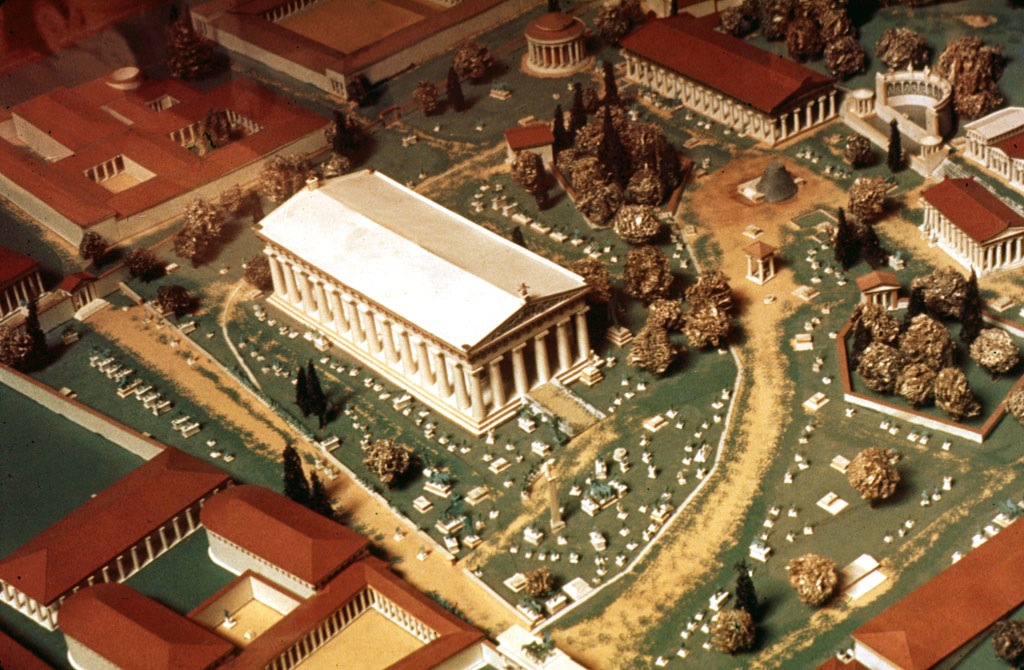
The sculptural decoration of temples like the Parthenon and the Temple of Zeus at Olympia demonstrated how sculpture could serve architectural purposes whilst maintaining independent artistic value and narrative content that educated viewers about mythology, history, and cultural values.
Greek Architecture and Urban Planning
Temple Design and Sacred Architecture
Greek temple architecture developed as a sophisticated system of proportional relationships and structural logic that created buildings of extraordinary beauty whilst serving religious functions and demonstrating community prosperity and cultural achievement to both citizens and visitors from other cities.
The development of the Classical orders established architectural vocabularies that provided practical building systems whilst creating aesthetic frameworks that influenced architecture throughout Western civilisation and continue to provide models for architectural beauty and cultural significance.
Agora and Public Architecture
Greek architects developed sophisticated approaches to public space through agora design that integrated commercial, political, and social functions whilst creating pleasant environments for civic life that embodied democratic ideals and encouraged citizen participation in community affairs.
Buildings like stoas, bouleuteria, and theatres demonstrated how architecture could serve public functions whilst maintaining aesthetic quality and creating environments that enhanced rather than merely accommodated human activities and social relationships.
Hippodamus and City Planning
The urban planner Hippodamus developed grid systems for city layout that balanced practical efficiency with aesthetic order whilst creating rational frameworks for urban development that could accommodate growth whilst maintaining liveable environments and proper relationships between different urban functions.
Hippodamian planning influenced city development throughout the Greek world whilst providing models for rational urban organization that recognized both practical needs and aesthetic considerations in creating successful human environments.
Theatre Architecture
Greek architects perfected theatre design through careful attention to acoustics, sight lines, and audience comfort whilst creating buildings that enhanced dramatic performance and enabled large audiences to participate effectively in cultural events that served both entertainment and educational functions.
Theatres like those at Epidaurus and Athens demonstrated how architecture could serve specific cultural functions whilst maintaining aesthetic beauty and creating environments that fostered community participation in cultural life and educational activities.
Greek Architectural Innovations
- Post and Lintel System: Mathematical proportions and structural clarity
- Optical Refinements: Subtle adjustments for visual perfection
- Integrated Sculpture: Architectural and sculptural unity
- Urban Planning: Rational city layout and public spaces
- Specialized Buildings: Theatres, stoas, gymnasiums adapted to function
Painting and Mural Decoration
Panel Painting and Easel Works
Although virtually no original examples survive, literary sources describe sophisticated panel paintings by masters like Apelles and Zeuxis that achieved unprecedented naturalistic effects through advanced understanding of perspective, light, and psychological expression whilst maintaining Greek emphasis on idealistic beauty and heroic subject matter.
These lost masterpieces apparently established painting as a major art form equal to sculpture whilst developing techniques that influenced later Roman wall painting and provided foundations for subsequent European painting traditions through their emphasis on naturalistic representation and artistic virtuosity.
Architectural Painting and Polychromy
Greek architects and painters worked together to create polychrome decoration for temples and public buildings that enhanced architectural forms whilst providing opportunities for narrative content and symbolic meaning that educated viewers about mythology, history, and cultural values through visual programmes.
The extensive use of colour in Greek architecture, often overlooked in modern appreciation because of survival patterns, created visual effects of extraordinary richness whilst demonstrating how different artistic media could work together to create unified aesthetic and cultural statements.
Tomb Painting
Regional traditions of tomb painting, particularly in Macedonia and other areas, preserved examples of Greek painting techniques and subject matter whilst serving funerary functions that required distinctive artistic approaches adapted to religious beliefs about death and afterlife.
These surviving examples provide crucial evidence for understanding Greek painting achievements whilst demonstrating how artistic techniques developed for public and religious contexts could be adapted to private and personal functions without losing aesthetic quality or cultural significance.
Decorative Arts and Minor Arts
Metalwork and Jewellery
Greek metalworkers created sophisticated jewellery, vessels, and decorative objects that demonstrated technical mastery whilst serving both practical and symbolic functions in religious ceremonies, personal adornment, and social display that reflected cultural values and aesthetic preferences.
The survival of examples like the Derveni Krater and various gold wreaths demonstrates how decorative arts could achieve aesthetic sophistication equal to major art forms whilst serving specific cultural functions and displaying technical virtuosity that enhanced rather than competed with practical utility.
Coin Design
Greek coin designers created miniature masterpieces that served monetary functions whilst displaying civic pride, artistic achievement, and political identity through imagery that communicated cultural values and aesthetic principles to local populations and foreign traders throughout the Mediterranean world.
The artistic quality of Greek coins, particularly from cities like Syracuse and Athens, established coinage as a legitimate art form whilst demonstrating how even utilitarian objects could serve aesthetic and cultural functions that enhanced their practical value and social significance.
Textile Arts
Although few examples survive, literary sources and artistic representations indicate that Greek textile workers created sophisticated woven and embroidered fabrics that served both practical and ceremonial functions whilst displaying technical skill and artistic achievement that complemented other artistic production.
The cultural importance of textile work, particularly women's contributions to artistic production, provides important perspective on Greek artistic achievement whilst demonstrating how different types of creative work contributed to overall cultural sophistication and aesthetic development.
Greek Artistic Techniques
- Lost-Wax Casting: Complex bronze sculpture production
- Marble Working: Advanced stone carving and finishing
- Pottery Firing: Controlled atmospheric conditions for surface effects
- Architectural Joinery: Precise stone cutting and fitting
- Metalwork: Repoussé, chasing, and precious metal techniques
Artistic Theory and Aesthetic Philosophy
Mathematical Proportions and Harmony
Greek artists and theorists developed mathematical approaches to proportion and composition that reflected philosophical beliefs about cosmic harmony and ideal beauty whilst providing practical methods for creating aesthetically pleasing works that embodied cultural values and intellectual sophistication.
The influence of Pythagorean mathematical concepts and Platonic idealism created theoretical frameworks that elevated artistic production beyond mere craftsmanship whilst ensuring that practical artistic work contributed to broader cultural goals of education, moral improvement, and intellectual development.
Mimesis and Naturalistic Representation
Greek artistic theory emphasized mimesis (imitation of nature) whilst maintaining that art should represent ideal rather than merely literal truth, creating philosophical frameworks that justified artistic production whilst establishing criteria for evaluating artistic achievement and cultural value.
This theoretical approach enabled Greek artists to pursue naturalistic accuracy whilst maintaining idealising tendencies that created works both recognizably realistic and timelessly beautiful, establishing lasting models for how art could serve both aesthetic and educational functions simultaneously.
The Artist's Social Position
Greek society gradually developed greater appreciation for artistic skill and creativity, elevating successful artists like Phidias and Praxiteles to positions of social prominence whilst maintaining craft traditions that ensured technical competence and cultural continuity across generations of artistic production.
This social recognition enabled artistic innovation whilst maintaining quality standards through workshop training and competition that fostered technical excellence and aesthetic development within cultural frameworks that valued both tradition and innovation.
Regional Variations and Cultural Exchange
Athenian Artistic Leadership
Athens emerged as the leading artistic centre during the Classical period through ambitious public building programmes, wealthy patronage, and attraction of artists from throughout the Greek world who contributed to creating artistic achievements that established lasting models whilst reflecting specifically Athenian cultural values and political aspirations.
The Athenian example influenced artistic development throughout Greece whilst demonstrating how political and economic success could support artistic achievement that served both local identity and broader cultural influence throughout the Greek world and beyond.
Regional Specializations
Different Greek regions developed distinctive artistic specialities including Corinthian pottery, Aeginetan sculpture, and various regional architectural traditions that contributed to overall Greek artistic achievement whilst maintaining local identity and cultural characteristics that enriched the broader artistic tradition.
These regional variations demonstrated how Greek artistic principles could accommodate local preferences and traditions whilst maintaining overall cultural coherence that enabled artistic exchange and mutual influence between different communities and regions.
Colonial and Hellenistic Expansion
Greek colonization and later Hellenistic expansion spread Greek artistic influence throughout the Mediterranean whilst enabling cultural exchange that enriched Greek artistic vocabulary through contact with Egyptian, Persian, and other artistic traditions that provided new motifs, techniques, and aesthetic possibilities.
This cultural expansion demonstrated the adaptability of Greek artistic principles whilst showing how artistic influence could serve political and cultural goals through creating shared visual vocabularies and aesthetic values that facilitated communication and cultural integration across diverse populations.
The Roman Influence and Preservation
Roman Collection and Copying
Roman appreciation for Greek art led to extensive collection and copying of Greek works whilst creating market demand that preserved many examples and transmitted Greek artistic principles throughout the Roman Empire, ensuring broader geographic and temporal influence than might otherwise have occurred.
Roman copying practices, whilst sometimes criticized for lack of originality, preserved knowledge of many lost Greek works whilst adapting Greek artistic principles to Roman cultural needs and aesthetic preferences that maintained essential Greek characteristics within new cultural contexts.
Transmission and Transformation
The Roman period saw transformation of Greek artistic principles through architectural innovation, portrait sculpture, and decorative arts that maintained essential Greek characteristics whilst developing new artistic possibilities that influenced subsequent European artistic development and cultural transmission.
This transformation process demonstrated how artistic influence could adapt to new cultural circumstances whilst preserving essential principles and aesthetic values that continued to provide foundations for artistic achievement and cultural expression throughout subsequent Western civilization.
Legacy and Continuation
The combination of direct Roman transmission and later rediscovery of Greek artistic principles during the Renaissance established lasting influence that continued through Neoclassical revivals to contemporary appreciation for Greek artistic achievement and aesthetic philosophy that remains influential in contemporary culture.
This ongoing influence validates Greek artistic achievement whilst demonstrating how great art transcends its original cultural context to provide lasting models for beauty, technical excellence, and cultural expression that remain relevant across different historical periods and cultural circumstances.
Greek Art's Enduring Legacy
- Renaissance Revival: Rediscovery and reinterpretation of classical principles
- Neoclassical Movement: 18th-century emphasis on classical ideals
- Academic Training: Classical principles in art education
- Modern Museums: Preservation and display of Greek masterpieces
- Contemporary Influence: Ongoing inspiration for architects and artists
Major Surviving Works and Archaeological Sites
The Parthenon and Athenian Acropolis
The Parthenon remains the most complete surviving example of Classical Greek architecture whilst the Athenian Acropolis provides comprehensive evidence for integrated artistic planning that combined architecture, sculpture, and urban design in unified cultural statements that embodied Athenian power and Greek artistic achievement.
The survival of substantial sculptural decoration from the Parthenon, including the Elgin Marbles now in the British Museum, provides crucial evidence for understanding Greek sculptural achievement whilst raising contemporary questions about cultural patrimony and archaeological preservation that remain relevant to current museum practice.
Olympia and Delphi
The archaeological sites of Olympia and Delphi preserve extensive evidence for Greek artistic achievement in religious contexts whilst demonstrating how art served Panhellenic functions that transcended local political divisions and created shared cultural experiences for Greeks from throughout the Mediterranean world.
The Temple of Zeus at Olympia, with its sculptural decoration depicting the Twelve Labors of Hercules, and the Treasury buildings at Delphi provide evidence for regional artistic variations whilst maintaining overall Greek aesthetic principles and cultural functions that unified diverse Greek communities.
Museum Collections
Major museum collections worldwide preserve Greek artworks that enable contemporary appreciation for Greek artistic achievement whilst providing opportunities for comparative study that reveals both overall Greek characteristics and individual artistic personalities and regional variations that enriched the tradition.
The dispersal of Greek artworks in various museum collections creates opportunities for broad public access whilst raising questions about optimal preservation and display methods that serve both scholarly research and public education goals that remain central to contemporary museum practice and cultural policy.
Contemporary Scholarship and Interpretation
Archaeological Discoveries
Ongoing archaeological excavation continues to reveal new evidence for Greek artistic achievement whilst providing opportunities for revising and refining understanding of chronological development, regional variations, and cultural contexts that enhance appreciation for the complexity and sophistication of Greek artistic culture.
Recent discoveries including underwater shipwrecks with bronze sculptures and new excavations at major sites provide evidence that challenges previous assumptions whilst confirming the extraordinary quality and cultural significance of Greek artistic achievement throughout the ancient Mediterranean world.
Technical Analysis and Conservation
Modern scientific techniques enable detailed analysis of Greek artistic techniques and materials whilst providing information about original appearance, manufacturing methods, and conservation needs that enhance both scholarly understanding and public appreciation for Greek artistic achievement.
Conservation efforts reveal original polychromy, technical procedures, and artistic practices whilst ensuring preservation for future generations that maintains both scholarly accessibility and public engagement with Greek artistic heritage that continues to influence contemporary culture.
Cultural Context and Social Interpretation
Contemporary scholarship increasingly emphasises social and cultural contexts for Greek artistic production whilst examining gender roles, economic factors, and political implications that provide more complete understanding of how art functioned within ancient Greek society and culture.
This contextual approach reveals the complexity of Greek artistic culture whilst challenging romanticized assumptions about artistic production and cultural development that enables more nuanced and historically accurate appreciation for Greek artistic achievement and its contemporary relevance.
"Beauty is truth, truth beauty—that is all ye know on earth, and all ye need to know." - John Keats, inspired by Greek artistic ideals
Conclusion
Ancient Greek art stands as one of humanity's most remarkable cultural achievements, establishing artistic principles and aesthetic ideals that have profoundly influenced Western civilisation for over two millennia whilst continuing to provide inspiration and guidance for contemporary artists, architects, and cultural commentators who seek to understand the relationships between beauty, technical excellence, and cultural significance.
The extraordinary development of Greek art from geometric abstraction through classical idealism to Hellenistic emotional expression demonstrates how artistic evolution can reflect broader cultural change whilst maintaining consistent principles of excellence, innovation, and cultural service that transcend specific historical circumstances to address universal human concerns about beauty, meaning, and creative achievement.
The technical mastery achieved by Greek artists in sculpture, architecture, pottery, and other media established lasting models for artistic excellence whilst demonstrating how practical skill can serve aesthetic and cultural goals that elevate human experience whilst creating works of enduring beauty and cultural significance that continue to reward contemplation and study.
Perhaps most importantly, Greek artistic achievement demonstrates the possibility of creating works that successfully combine technical mastery with cultural meaning, individual creativity with social responsibility, and aesthetic beauty with educational content in ways that serve both immediate practical needs and timeless human aspirations for excellence and meaning.
The integration of mathematical precision with aesthetic intuition, realistic representation with idealizing vision, and individual expression with cultural tradition that characterised Greek artistic achievement provides continuing models for how creative work can serve multiple functions whilst maintaining artistic integrity and cultural authority that validates the importance of art in human experience.
The enduring influence of Greek art throughout subsequent Western culture, from Roman copying through Renaissance revival to contemporary appreciation, validates the universality of Greek aesthetic principles whilst demonstrating how great art transcends its original cultural context to provide lasting inspiration and guidance for understanding beauty, excellence, and the creative potential of human achievement.
In our contemporary world, where technology enables new artistic possibilities whilst globalization creates opportunities for cultural exchange comparable to ancient Greek expansion, the example of Greek artistic achievement remains relevant for understanding how local cultural identity can coexist with universal aesthetic principles, how technical innovation can serve cultural continuity, and how artistic excellence can contribute to both individual fulfilment and social cohesion.
The legacy of ancient Greek art reminds us that human creativity, when supported by appropriate cultural institutions and guided by sophisticated aesthetic principles, can achieve works of lasting beauty and cultural significance that enrich human experience whilst providing foundations for continued cultural development and artistic innovation that serve both practical needs and spiritual aspirations for generations across diverse cultural circumstances and historical periods.