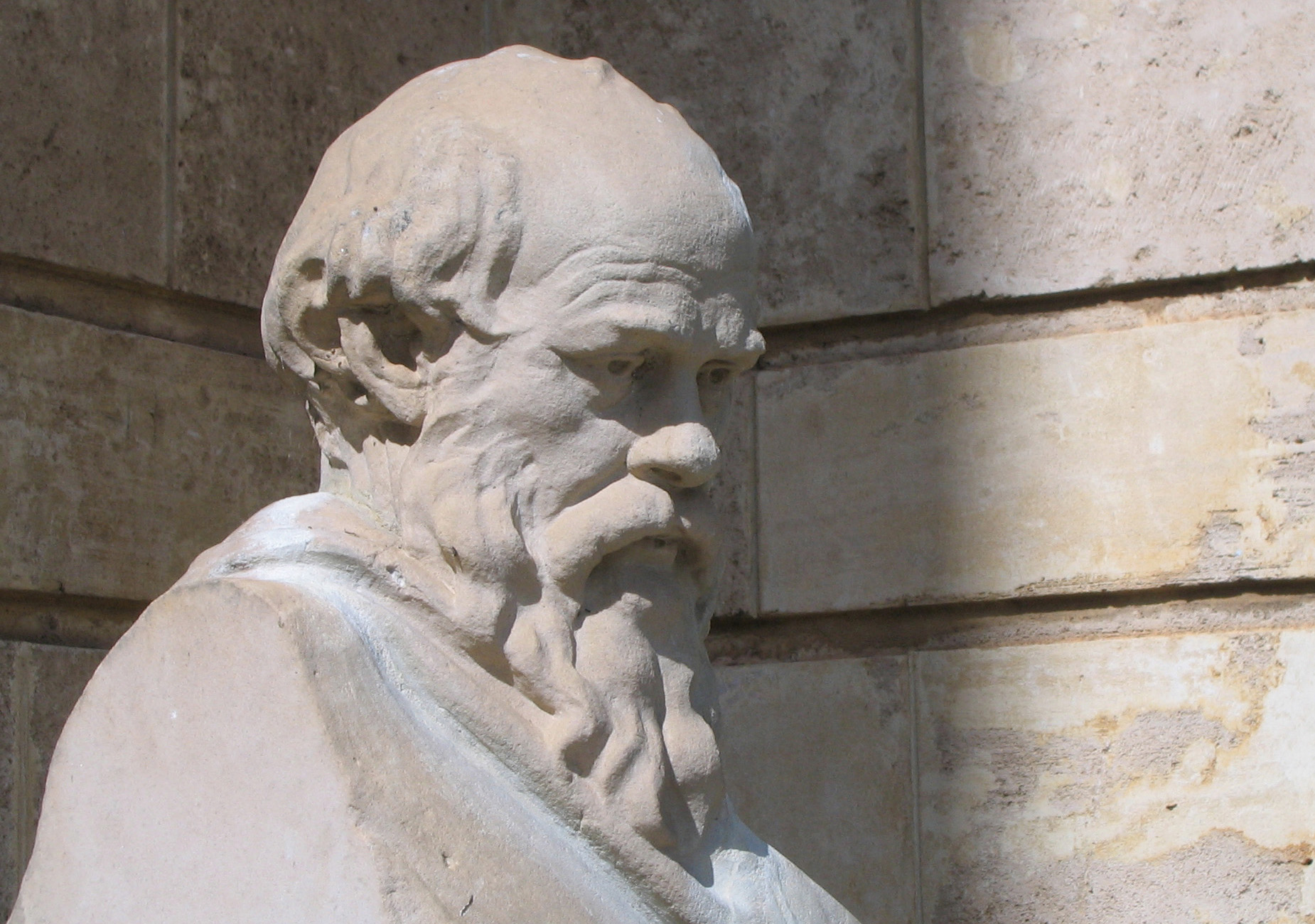
Philosophy · Ancient Greece
Anaximander of Miletus
Pioneer of Cosmology, Evolution Theory, and Scientific Cartography (c. 610 – c. 546 BCE)
Pioneer of Cosmology, Evolution Theory, and Scientific Cartography (c. 610 – c. 546 BCE)
Introduction
Anaximander of Miletus stands as one of the most visionary and innovative thinkers in the history of human intellectual development, pioneering revolutionary concepts in cosmology, geography, biology, and philosophy that anticipated many fundamental insights of modern science whilst establishing systematic approaches to understanding the natural world through rational investigation and mathematical analysis. As the student and successor of Thales in the Milesian School, Anaximander advanced his teacher's revolutionary transition from mythological to natural explanation whilst developing original theoretical frameworks that profoundly influenced subsequent philosophical and scientific development.
His extraordinary contributions encompass the first systematic cosmological theory in Western thought, pioneering concepts of biological evolution, revolutionary innovations in geography and cartography, and profound philosophical insights about the nature of reality that established essential foundations for subsequent scientific investigation and theoretical development. Anaximander's work demonstrates remarkable intellectual integration that combined empirical observation with abstract reasoning whilst developing comprehensive theoretical frameworks that addressed fundamental questions about cosmic organisation, biological development, and the underlying principles governing natural processes.
The scope and sophistication of Anaximander's theoretical contributions reveal an intellectual genius whose insights transcended the limitations of his historical period whilst anticipating many crucial discoveries of modern science through systematic reasoning and careful observation that enabled remarkable theoretical breakthroughs and conceptual innovations. His influence on subsequent philosophical and scientific development established essential frameworks for understanding natural phenomena whilst providing methodological approaches that continue to inform contemporary research and theoretical investigation.
Living during the height of Archaic Greek intellectual ferment in the prosperous Ionian city of Miletus, Anaximander exemplified the remarkable synthesis of practical knowledge and theoretical speculation that characterised early Greek natural philosophy whilst demonstrating how systematic investigation and rational analysis could reveal fundamental principles underlying the apparent complexity and diversity of natural phenomena through disciplined inquiry and innovative theoretical development.
Anaximander's Life and Intellectual Development
- c. 610 BCE: Born in Miletus, becoming student of Thales
- c. 585 BCE: Developed theory of the Apeiron (the Boundless)
- c. 580 BCE: Created first map of the known world
- c. 575 BCE: Formulated revolutionary cosmological theories
- c. 565 BCE: Pioneered concepts of biological evolution
- c. 550 BCE: Influenced Anaximenes and later Milesian philosophers
- c. 546 BCE: Died in Miletus, leaving profound intellectual legacy
The Revolutionary Concept of the Apeiron
Beyond Thales: The Boundless as First Principle
Anaximander's most profound philosophical contribution was his revolutionary concept of the Apeiron (ἄπειρον), meaning "the Boundless" or "the Infinite," which he proposed as the fundamental principle underlying all existence whilst transcending the limitations of Thales's identification of water as the primary substance. This groundbreaking theoretical innovation demonstrated sophisticated philosophical reasoning that recognised the necessity for a more abstract and comprehensive first principle that could account for the generation of all natural phenomena without itself being subject to the limitations and transformations that characterise particular substances.
The Apeiron represented a qualitatively infinite and eternal substance that possessed no specific characteristics or qualities, enabling it to serve as the source from which all determinate things emerge whilst maintaining the capacity to sustain the cosmic processes of generation and destruction that govern natural change and transformation. This brilliant theoretical insight anticipated many fundamental concepts of modern physics and cosmology whilst demonstrating remarkable philosophical sophistication in recognising the logical necessity for a transcendent first principle that could explain natural diversity and change.
Unlike Thales's water, which remained a particular substance with specific properties, Anaximander's Apeiron transcended all particular determinations whilst possessing the infinite potential to generate all possible forms and substances through processes of separation and differentiation that operated according to rational principles and cosmic justice. This revolutionary conception established essential frameworks for understanding the relationship between unity and multiplicity that influenced subsequent philosophical development whilst providing conceptual foundations for scientific investigation and theoretical analysis.
The sophisticated reasoning that led Anaximander to postulate the Apeiron demonstrated remarkable philosophical insight whilst establishing precedents for abstract theoretical thinking that transcended empirical observation through logical necessity and systematic reasoning. His recognition that no particular substance could serve as the universal principle revealed profound understanding of logical requirements and conceptual consistency that influenced all subsequent metaphysical and scientific speculation about fundamental reality and cosmic organisation.
Cosmic Justice and Natural Balance
Anaximander developed sophisticated theories about cosmic justice (δίκη) and natural balance that explained how the Apeiron maintains cosmic order through principles of compensation and equilibrium that ensure the continuous cycle of generation and destruction whilst preventing any particular element or substance from permanently dominating natural processes. This remarkable insight anticipated many fundamental concepts of modern physics and chemistry whilst demonstrating profound understanding of natural balance and systematic organisation that governs cosmic processes and natural transformation.
His famous fragment describing how things "pay penalty and retribution to each other for their injustice according to the assessment of time" revealed sophisticated understanding of natural processes as governed by principles of justice and balance that operate through temporal cycles and systematic compensation rather than arbitrary divine intervention or chaotic randomness. This philosophical insight established essential frameworks for understanding natural law and cosmic organisation that influenced subsequent scientific and philosophical development.
The concept of cosmic justice provided rational explanation for natural cycles and transformations whilst demonstrating how apparent conflict and opposition in natural processes actually serve broader principles of harmony and balance that maintain cosmic stability through dynamic equilibrium rather than static permanence. This insight influenced subsequent philosophical and scientific understanding of natural systems and ecological relationships whilst providing frameworks for comprehending complex interactions and systematic organisation in natural phenomena.
These theories about cosmic justice and natural balance demonstrated remarkable philosophical sophistication whilst establishing precedents for systematic thinking about natural law and cosmic order that transcended immediate empirical observation through rational analysis and theoretical speculation. Anaximander's insights about cosmic justice influenced subsequent development of natural philosophy and scientific methodology whilst providing conceptual foundations for understanding complex systems and dynamic equilibrium in natural processes.
Separation and Differentiation Processes
Anaximander proposed revolutionary theories about how determinate substances and natural phenomena emerge from the undifferentiated Apeiron through processes of separation (ἀπόκρισις) and differentiation that operate according to systematic principles rather than random chance or arbitrary divine intervention. These groundbreaking insights anticipated many fundamental concepts of modern physics and chemistry whilst demonstrating sophisticated understanding of natural processes and systematic organisation that governs cosmic development and material transformation.
His theoretical framework explained how the fundamental opposites—hot and cold, wet and dry, light and dark—emerge from the primordial unity through systematic separation processes that create the basic elements and natural phenomena observed in the cosmos whilst maintaining underlying unity and systematic organisation that ensures cosmic coherence and natural order. This brilliant synthesis of unity and multiplicity influenced subsequent philosophical and scientific development whilst providing conceptual foundations for understanding natural diversity and systematic organisation.
The processes of separation and differentiation described by Anaximander involved both mechanical and rational principles that operated through natural necessity whilst maintaining systematic organisation and purposive direction that ensured cosmic stability and natural harmony through dynamic processes rather than static arrangements. This sophisticated theoretical framework anticipated many insights of modern science whilst demonstrating remarkable philosophical understanding of natural processes and systematic development.
These theories about separation and differentiation established essential frameworks for understanding how complex natural phenomena emerge from simpler principles whilst maintaining systematic organisation and rational coherence that governs cosmic development and natural transformation. Anaximander's insights influenced subsequent philosophical and scientific investigation whilst providing methodological approaches for understanding natural processes through rational analysis and systematic investigation of underlying principles and causal relationships.
The Apeiron: Key Concepts
- Infinite Substance: Boundless, eternal principle underlying all existence
- Qualitative Infinity: Without specific characteristics or limitations
- Cosmic Justice: Balance and compensation governing natural processes
- Separation Process: Systematic emergence of opposites and elements
- Universal Source: Origin of all determinate things and phenomena
- Eternal Principle: Neither created nor destroyed, sustaining cosmic order
Revolutionary Cosmological Theories
The First Systematic Cosmology
Anaximander created the first comprehensive cosmological system in Western thought, developing detailed theories about the origin, structure, and development of the cosmos that integrated mathematical reasoning with empirical observation whilst providing systematic explanations for celestial phenomena and terrestrial processes that transcended mythological narratives through rational investigation and theoretical analysis. His cosmological framework established essential precedents for scientific investigation whilst demonstrating how systematic reasoning could reveal underlying principles governing cosmic organisation and natural phenomena.
His cosmological theory proposed that the cosmos emerged from the Apeiron through processes of separation that created the fundamental opposites and basic elements whilst establishing the systematic organisation that governs celestial movements and terrestrial processes through rational principles rather than divine intervention or arbitrary chance. This revolutionary approach established frameworks for understanding cosmic development through natural causation whilst providing explanatory models that enhanced both theoretical understanding and practical application.
The systematic nature of Anaximander's cosmology included detailed accounts of celestial mechanics, terrestrial geography, meteorological phenomena, and biological development that demonstrated remarkable integration of diverse natural processes within comprehensive theoretical frameworks that maintained logical consistency whilst addressing empirical observations and practical concerns through sophisticated reasoning and systematic investigation that influenced subsequent scientific and philosophical development.
These cosmological innovations established essential foundations for scientific astronomy and theoretical physics whilst demonstrating how rational investigation could reveal underlying order and systematic organisation in natural phenomena that appeared chaotic or arbitrary to casual observation. Anaximander's cosmological framework influenced subsequent development of scientific methodology whilst providing conceptual foundations for understanding cosmic processes and natural organisation through systematic investigation and theoretical analysis.
Celestial Mechanics and Astronomical Innovation
Anaximander developed revolutionary theories about celestial mechanics that proposed the Earth as a freely floating body suspended in space without external support, representing one of the most remarkable conceptual breakthroughs in the history of astronomical thought whilst anticipating fundamental insights of modern astronomy and physics through brilliant theoretical reasoning and systematic observation. This extraordinary insight transcended conventional assumptions about terrestrial support whilst demonstrating sophisticated understanding of cosmic organisation and gravitational equilibrium.
His astronomical theories included detailed descriptions of the sun, moon, and stars as openings in dark vapours through which celestial fire becomes visible, creating systematic explanations for celestial phenomena that combined empirical observation with mathematical reasoning whilst providing frameworks for understanding apparent celestial movements and periodic variations through rational analysis rather than mythological interpretation or supernatural explanation.
The mathematical sophistication of Anaximander's astronomical calculations included precise measurements of celestial distances and proportional relationships that demonstrated remarkable mathematical capability whilst providing practical frameworks for calendrical calculation and navigational orientation that enhanced both theoretical understanding and practical application through systematic investigation and empirical verification of astronomical observations and mathematical relationships.
These astronomical innovations established essential precedents for scientific methodology whilst demonstrating how mathematical reasoning could enhance empirical observation through systematic calculation and theoretical analysis that revealed underlying patterns and causal relationships in celestial phenomena. Anaximander's contributions influenced subsequent development of mathematical astronomy whilst providing conceptual foundations for understanding cosmic organisation through quantitative analysis and systematic investigation.
The Shape and Position of the Earth
Anaximander proposed that the Earth possesses a cylindrical shape with a diameter three times its height, representing a sophisticated geometric conception that transcended conventional flat-earth assumptions whilst demonstrating remarkable theoretical innovation and mathematical reasoning that anticipated many insights of later geographical and astronomical investigation. This revolutionary insight established frameworks for understanding terrestrial shape and cosmic position through rational analysis rather than mythological assumption or conventional belief.
His theory that the Earth maintains its position through equidistance from all cosmic boundaries rather than external support represented one of the most brilliant insights in early scientific thought whilst anticipating fundamental concepts of gravitational equilibrium and cosmic organisation that would not be fully developed until modern astronomy and physics. This remarkable theoretical breakthrough demonstrated sophisticated understanding of cosmic relationships and systematic organisation that transcended immediate empirical observation through rational reasoning.
The geographical implications of Anaximander's theories about terrestrial shape included systematic understanding of climatic zones, seasonal variations, and geographical relationships that enhanced both theoretical knowledge and practical navigation whilst providing frameworks for understanding terrestrial organisation and environmental diversity through systematic observation and rational analysis that influenced subsequent geographical and astronomical development.
These innovations in understanding terrestrial shape and cosmic position established essential foundations for scientific geography and astronomy whilst demonstrating how theoretical reasoning could transcend immediate empirical limitations through systematic analysis and mathematical calculation that revealed underlying principles governing cosmic organisation and terrestrial structure through disciplined investigation and innovative theoretical development.
Anaximander's Cosmological Innovations
- Free-Floating Earth: First theory of unsupported terrestrial suspension
- Cylindrical Earth: Geometric shape with specific proportional measurements
- Celestial Fire: Stars and planets as openings in dark cosmic vapours
- Mathematical Distances: Precise calculations of celestial proportions
- Systematic Organisation: Rational principles governing cosmic structure
- Natural Causation: Non-mythological explanation of cosmic phenomena
Pioneering Geographical and Cartographical Work
The First World Map
Anaximander created the first map of the known world, representing a revolutionary achievement in geographical science that synthesised empirical knowledge from diverse sources whilst developing systematic approaches to spatial representation and geographical understanding that established essential foundations for subsequent cartographical development and geographical investigation. This remarkable innovation demonstrated sophisticated integration of mathematical principles with empirical observation whilst providing practical tools for navigation and territorial understanding that enhanced both intellectual knowledge and commercial capability.
His cartographical work incorporated geographical information from Greek exploration, colonial expansion, and commercial contact with diverse civilisations whilst applying mathematical principles and systematic organisation to create coherent representations of terrestrial relationships and spatial organisation that transcended particular regional knowledge through comprehensive synthesis and rational analysis. This achievement established precedents for scientific cartography whilst demonstrating how theoretical knowledge could enhance practical navigation and territorial understanding.
The methodological sophistication of Anaximander's cartographical approach included systematic attention to proportional relationships, directional orientation, and spatial accuracy that demonstrated remarkable mathematical capability whilst providing frameworks for understanding geographical relationships and territorial organisation through systematic measurement and empirical verification that enhanced both theoretical knowledge and practical application.
This cartographical innovation influenced subsequent development of geographical science whilst establishing frameworks for systematic spatial representation that enhanced both theoretical understanding and practical capability through improved navigation, territorial planning, and commercial organisation that served both intellectual advancement and economic development through innovative geographical methodology and systematic cartographical investigation.
Systematic Geography and Regional Understanding
Anaximander developed systematic approaches to geographical understanding that integrated climatic theory, topographical analysis, and regional characterisation whilst creating comprehensive frameworks for understanding terrestrial diversity and environmental organisation through empirical observation and rational analysis that enhanced both theoretical knowledge and practical understanding of geographical relationships and environmental influences on human activity and cultural development.
His geographical theories included sophisticated understanding of climatic zones, seasonal variations, and environmental relationships that demonstrated remarkable empirical observation whilst providing frameworks for understanding how geographical factors influence cultural development, economic activity, and social organisation through systematic investigation of environmental influences and regional characteristics that enhanced both theoretical knowledge and practical capability.
The integration of mathematical principles with empirical geographical observation created comprehensive approaches to territorial understanding that balanced theoretical analysis with practical knowledge whilst providing frameworks for understanding complex relationships between environmental factors and human activity that influenced subsequent geographical and anthropological investigation through systematic methodology and empirical verification.
These contributions to geographical science established essential foundations for systematic territorial understanding whilst demonstrating how empirical observation could be enhanced through mathematical reasoning and theoretical analysis that revealed underlying patterns and causal relationships in geographical phenomena through disciplined investigation and innovative methodological approaches that influenced subsequent geographical and cartographical development.
Navigation and Commercial Applications
Anaximander's geographical and cartographical innovations provided essential tools for navigation and commercial expansion that enhanced Greek maritime capability whilst demonstrating practical applications of theoretical geographical knowledge through improved navigational accuracy and territorial understanding that served both economic development and cultural expansion through enhanced capability for exploration, colonisation, and commercial exchange with distant civilisations and unknown territories.
His contributions to navigational methodology included systematic approaches to directional orientation, distance calculation, and positional determination that enhanced maritime safety whilst providing competitive advantages for Greek merchants and explorers through superior geographical knowledge and navigational capability that enabled more efficient trade routes and successful colonial ventures through practical application of theoretical geographical understanding.
The commercial implications of improved geographical knowledge included enhanced capability for resource location, trade route optimization, and territorial planning that contributed to Greek economic prosperity whilst demonstrating how theoretical knowledge could serve practical purposes through innovative application of geographical principles and cartographical tools that enhanced both individual commercial success and collective cultural advancement through systematic geographical methodology.
These practical applications of geographical innovation influenced subsequent development of navigation technology and commercial methodology whilst providing models for integrating theoretical knowledge with practical capability that enhanced both economic development and cultural expansion through improved geographical understanding and systematic territorial investigation that served both immediate commercial needs and long-term cultural advancement through innovative geographical application.
Geographical and Cartographical Achievements
- First World Map: Systematic representation of known geographical territories
- Mathematical Cartography: Proportional relationships and spatial accuracy
- Climatic Theory: Understanding of environmental zones and regional characteristics
- Navigational Innovation: Improved methods for maritime orientation
- Territorial Analysis: Systematic study of regional geographical features
- Commercial Application: Enhanced capability for trade and exploration
Early Concepts of Biological Evolution
Origin and Development of Life
Anaximander proposed revolutionary theories about the origin and development of life that anticipated many fundamental insights of modern evolutionary biology whilst demonstrating sophisticated understanding of biological processes and systematic development that transcended conventional mythological explanations through rational analysis and empirical observation. His biological theories represented some of the most remarkable conceptual breakthroughs in early scientific thought whilst establishing frameworks for understanding life processes through natural causation and systematic development.
His theory that life originated in water through spontaneous generation of primitive organisms represented a crucial insight into biological development whilst providing naturalistic explanations for the emergence of living beings through material processes rather than divine creation or supernatural intervention. This revolutionary approach established frameworks for understanding biological phenomena through natural causes whilst demonstrating how systematic reasoning could reveal underlying principles governing life processes and organic development.
The sophisticated reasoning that led Anaximander to propose aquatic origins for terrestrial life demonstrated remarkable theoretical insight whilst anticipating many crucial discoveries of modern biology through logical analysis and empirical observation that revealed systematic relationships between different life forms and environmental conditions that influenced biological development and adaptive capability through natural processes rather than arbitrary divine intervention.
These biological theories influenced subsequent philosophical and scientific development whilst providing conceptual foundations for understanding life processes through natural causation and systematic investigation that enhanced both theoretical knowledge and practical understanding of biological phenomena through innovative theoretical frameworks and empirical methodology that established precedents for scientific investigation of living systems.
Evolutionary Adaptation and Species Change
Anaximander developed remarkable insights about biological adaptation and species modification that anticipated fundamental concepts of evolutionary theory whilst demonstrating sophisticated understanding of how organisms adapt to environmental conditions through systematic changes and developmental modifications that enhance survival capability and reproductive success. His theories about adaptive change represented extraordinary conceptual breakthroughs that transcended conventional assumptions about fixed species and unchanging biological forms.
His famous theory that humans originally developed from fish-like ancestors represented one of the most remarkable anticipations of evolutionary thinking in ancient philosophy whilst demonstrating sophisticated reasoning about biological relationships and developmental processes that revealed systematic connections between different life forms through natural transformation and adaptive modification rather than separate divine creation or arbitrary species differentiation.
The reasoning that led Anaximander to propose evolutionary transformation included careful observation of embryological development and comparative anatomy that revealed systematic similarities between different species whilst suggesting common origins and developmental relationships that could be explained through natural processes and adaptive modification rather than supernatural intervention or arbitrary divine design.
These evolutionary insights influenced subsequent biological and philosophical investigation whilst providing conceptual frameworks for understanding species relationships and biological development through natural causation and systematic change that enhanced both theoretical understanding and practical knowledge of biological processes through innovative theoretical analysis and empirical observation that established precedents for scientific investigation of evolutionary phenomena.
Environmental Adaptation and Survival
Anaximander's biological theories included sophisticated understanding of environmental adaptation and survival strategies that demonstrated remarkable insight into the relationship between organism and environment whilst providing frameworks for understanding how biological forms develop in response to environmental challenges and opportunities through adaptive modification and systematic change that enhances survival capability and reproductive success through natural selection and environmental pressure.
His observations about how different species adapt to different environmental conditions revealed systematic understanding of ecological relationships whilst demonstrating how environmental factors influence biological development through adaptive pressure and selective advantage that favours organisms capable of successful environmental adaptation and efficient resource utilisation through natural processes rather than divine intervention or arbitrary biological arrangement.
The integration of environmental and biological analysis created comprehensive approaches to understanding life processes that balanced empirical observation with theoretical reasoning whilst providing frameworks for understanding complex relationships between organisms and their environmental contexts through systematic investigation and rational analysis that enhanced both theoretical knowledge and practical understanding of biological phenomena and ecological relationships.
These contributions to biological understanding established essential foundations for ecological science whilst demonstrating how empirical observation could reveal systematic relationships and causal processes in biological phenomena through disciplined investigation and theoretical analysis that influenced subsequent biological and environmental investigation through innovative methodological approaches and conceptual frameworks that enhanced understanding of life processes and environmental relationships.
Anaximander's Biological Innovations
- Aquatic Origins: Life emerging from water through natural processes
- Species Transformation: Evolution from fish-like to terrestrial forms
- Environmental Adaptation: Organisms adapting to ecological conditions
- Developmental Theory: Systematic biological change over time
- Natural Causation: Biological processes through material causes
- Comparative Analysis: Systematic study of species relationships
Scientific Methodology and Systematic Investigation
Integration of Empirical and Rational Approaches
Anaximander pioneered sophisticated methodological approaches that integrated empirical observation with rational analysis whilst developing systematic frameworks for understanding natural phenomena through comprehensive investigation that balanced empirical evidence with theoretical reasoning. His methodological innovations established essential precedents for scientific investigation whilst demonstrating how systematic inquiry could reveal underlying principles and causal relationships that governed natural processes through disciplined methodology and rigorous analysis that enhanced both theoretical understanding and practical capability.
His approach to scientific investigation included careful attention to empirical verification whilst maintaining commitment to rational consistency and theoretical coherence that enhanced both observational accuracy and conceptual sophistication through systematic methodology that integrated diverse sources of knowledge and analytical approaches. This methodological sophistication established frameworks for scientific inquiry that influenced subsequent philosophical and scientific development through emphasis on both empirical evidence and logical reasoning.
The integration of mathematical reasoning with empirical observation created comprehensive approaches to natural investigation that enhanced both theoretical understanding and practical application whilst providing frameworks for systematic inquiry that transcended immediate empirical limitations through rational analysis and theoretical speculation that revealed underlying patterns and causal relationships in natural phenomena through disciplined investigation and innovative analytical approaches.
These methodological contributions established essential foundations for scientific investigation whilst demonstrating how systematic inquiry could enhance both individual understanding and collective knowledge through collaborative research and critical analysis that addressed both immediate practical needs and long-term theoretical advancement through innovative methodological approaches and rigorous analytical standards that influenced subsequent scientific and philosophical development.
Theoretical Model Construction
Anaximander developed innovative approaches to theoretical model construction that demonstrated sophisticated understanding of the relationship between empirical observation and abstract reasoning whilst creating comprehensive explanatory frameworks that could account for diverse natural phenomena through unified theoretical principles and systematic organisation. His theoretical innovations established precedents for scientific model-building whilst demonstrating how abstract reasoning could enhance empirical understanding through systematic theoretical development.
His theoretical models included detailed explanatory frameworks for cosmological, geographical, and biological phenomena that demonstrated remarkable integration of diverse empirical observations within coherent theoretical systems whilst maintaining logical consistency and explanatory power that enhanced both understanding and predictive capability through systematic theoretical analysis and comprehensive explanatory integration that addressed both immediate empirical questions and broader theoretical concerns.
The methodological sophistication of Anaximander's theoretical approach included systematic attention to explanatory adequacy, logical consistency, and empirical accuracy that enhanced both theoretical understanding and practical application whilst providing frameworks for evaluating competing theoretical claims and alternative explanatory approaches through rigorous analytical standards and systematic comparative investigation that influenced subsequent theoretical development.
These contributions to theoretical methodology established essential foundations for scientific theory construction whilst demonstrating how abstract reasoning could enhance empirical investigation through systematic theoretical frameworks that integrated diverse observations within comprehensive explanatory systems that served both immediate practical needs and long-term theoretical advancement through innovative analytical approaches and methodological sophistication that influenced subsequent scientific and philosophical development.
Systematic Observation and Documentation
Anaximander pioneered systematic approaches to empirical observation and documentation that established essential methodological frameworks for scientific investigation whilst demonstrating how careful attention to empirical detail could enhance theoretical understanding through disciplined observational practice and systematic data collection that revealed patterns and relationships in natural phenomena through comprehensive empirical methodology and rigorous observational standards that influenced subsequent scientific development.
His observational methodology included systematic attention to quantitative measurement, comparative analysis, and temporal variation that enhanced both empirical accuracy and theoretical sophistication whilst providing frameworks for understanding natural phenomena through careful documentation and systematic investigation that transcended casual observation through disciplined methodology and systematic analytical approaches that revealed underlying patterns and causal relationships.
The integration of systematic observation with theoretical analysis created comprehensive approaches to natural investigation that balanced empirical evidence with rational reasoning whilst providing frameworks for understanding complex natural phenomena through systematic methodology and rigorous analytical standards that enhanced both individual understanding and collective knowledge through collaborative research and critical analysis that addressed both immediate observational questions and broader theoretical concerns.
These contributions to empirical methodology established essential foundations for scientific observation whilst demonstrating how systematic documentation could enhance both theoretical understanding and practical application through disciplined empirical investigation and rigorous analytical standards that influenced subsequent scientific and philosophical development through emphasis on both observational accuracy and theoretical sophistication that served both immediate practical needs and long-term theoretical advancement.
Anaximander's Scientific Methodology
- Empirical Integration: Systematic observation combined with rational analysis
- Theoretical Modelling: Abstract frameworks explaining diverse phenomena
- Systematic Documentation: Careful recording and comparative analysis
- Mathematical Application: Quantitative approaches to natural investigation
- Logical Consistency: Coherent explanatory frameworks and rational principles
- Predictive Capability: Theoretical models enabling natural prediction
Technological Innovations and Practical Applications
The Gnomon and Astronomical Instruments
Anaximander is credited with introducing the gnomon to Greece, representing a crucial technological innovation that enhanced astronomical observation and temporal measurement whilst providing practical tools for calendrical calculation, architectural orientation, and navigational determination that served both theoretical investigation and practical application. This technological contribution demonstrated sophisticated understanding of solar movement and geometric principles whilst establishing frameworks for systematic temporal measurement and astronomical observation.
His improvements to gnomon technology included systematic approaches to calibration and measurement that enhanced both accuracy and practical utility whilst providing frameworks for understanding seasonal variations, daily time measurement, and geographical orientation through empirical observation and mathematical calculation that demonstrated remarkable technological sophistication and practical capability through innovative application of astronomical knowledge and geometric principles.
The astronomical applications of gnomon technology enabled improved understanding of celestial movements whilst providing practical tools for agricultural timing, religious observance, and commercial planning that enhanced both individual capability and collective organisation through systematic temporal measurement and improved calendrical accuracy that served both immediate practical needs and long-term cultural development through technological innovation and practical application.
These technological contributions influenced subsequent development of astronomical instrumentation whilst providing models for integrating theoretical knowledge with practical application through innovative technological development that enhanced both scientific capability and practical utility through systematic technological investigation and innovative instrumental design that served both immediate observational needs and long-term scientific advancement.
Engineering Applications and Urban Planning
Anaximander applied his mathematical and geographical knowledge to practical engineering problems whilst contributing to urban planning and architectural development that enhanced both individual capability and collective welfare through systematic application of theoretical knowledge to practical challenges and technological innovation. His engineering expertise demonstrated sophisticated integration of mathematical principles with empirical observation whilst providing practical solutions that enhanced both community welfare and technological capability.
His contributions to urban planning included systematic approaches to territorial organisation and architectural orientation that enhanced both practical functionality and aesthetic achievement whilst providing frameworks for understanding spatial relationships and environmental influences on human activity through systematic geographical analysis and mathematical calculation that improved both individual living conditions and collective urban organisation through innovative planning methodology.
The application of geographical and mathematical knowledge to engineering challenges demonstrated how theoretical understanding could enhance practical capability whilst providing frameworks for systematic problem-solving and technological innovation that addressed both immediate practical needs and long-term developmental goals through innovative engineering methodology and systematic technological investigation that influenced subsequent engineering and architectural development.
These practical applications of theoretical knowledge established essential precedents for applied science whilst demonstrating how systematic investigation could serve both intellectual advancement and practical utility through innovative technological development and engineering application that enhanced both individual capability and collective welfare through systematic methodology and practical innovation that influenced subsequent technological and engineering development.
Commercial and Navigation Technology
Anaximander's geographical and astronomical innovations provided essential tools for commercial development and navigational advancement that enhanced Greek economic capability whilst demonstrating practical applications of scientific knowledge through improved maritime technology and commercial methodology that served both individual economic success and collective cultural advancement through enhanced capability for exploration, trade, and territorial expansion through systematic technological development and practical innovation.
His navigational contributions included improved methods for directional determination, distance calculation, and positional orientation that enhanced maritime safety whilst providing competitive advantages for Greek merchants and explorers through superior technological capability and systematic navigational methodology that enabled more efficient trade routes and successful commercial ventures through practical application of geographical and astronomical knowledge.
The commercial implications of technological innovation included enhanced capability for resource exploitation, market development, and territorial expansion that contributed to Greek economic prosperity whilst demonstrating how technological advancement could serve both individual commercial success and collective cultural development through improved capability and systematic technological methodology that influenced subsequent commercial and technological development.
These technological innovations in commercial and navigational applications established essential foundations for maritime technology whilst providing models for integrating theoretical knowledge with practical capability that enhanced both economic development and cultural expansion through systematic technological investigation and innovative practical application that served both immediate commercial needs and long-term cultural advancement through technological sophistication and systematic innovation.
Technological and Practical Innovations
- Gnomon Technology: Solar instruments for time measurement and astronomical observation
- Urban Planning: Systematic approaches to territorial organisation
- Engineering Applications: Mathematical solutions to practical problems
- Navigational Tools: Improved maritime technology and directional determination
- Architectural Innovation: Geometric principles in construction and design
- Commercial Technology: Enhanced capability for trade and economic development
Influence on Later Philosophy and Science
The Milesian School and Immediate Successors
Anaximander's revolutionary contributions profoundly influenced the development of the Milesian School whilst inspiring brilliant successors including Anaximenes who continued his systematic approach to natural philosophy whilst developing original theoretical contributions that advanced philosophical understanding and scientific methodology through creative application of Anaximandrian principles and innovative theoretical development that enhanced both individual achievement and collective intellectual advancement through systematic philosophical investigation and collaborative intellectual development.
His influence on Anaximenes included methodological approaches and theoretical frameworks that enabled sophisticated investigations of atmospheric phenomena and elemental theory whilst providing conceptual foundations for understanding natural processes and material transformation through rational principles and empirical observation that enhanced both theoretical understanding and practical application through disciplined investigation and innovative theoretical development that addressed both immediate philosophical questions and broader scientific concerns.
The continuation of Milesian natural philosophy through successive generations demonstrated how intellectual innovation required both individual genius and institutional continuity that preserved and transmitted essential insights whilst enabling creative development and theoretical advancement through collaborative investigation and systematic methodology that enhanced both understanding and practical capability through disciplined research and innovative application of philosophical principles and scientific methodology.
These contributions to philosophical development established essential foundations for subsequent natural philosophy whilst providing methodological approaches and theoretical frameworks that influenced all later Presocratic investigation through emphasis on rational inquiry, empirical observation, and systematic methodology that enhanced both individual understanding and collective knowledge development through collaborative research and critical analysis that addressed both immediate philosophical concerns and long-term theoretical advancement.
Presocratic Philosophy and Cosmological Speculation
Anaximander's cosmological innovations established essential frameworks for subsequent Presocratic investigation whilst inspiring sophisticated theoretical developments by philosophers including Heraclitus, Parmenides, and Empedocles who continued his systematic approach to understanding natural phenomena whilst developing original contributions that advanced cosmological understanding and metaphysical speculation through creative application of Anaximandrian insights and innovative theoretical development that enhanced both philosophical sophistication and scientific methodology.
His influence on cosmological speculation included fundamental concepts about cosmic organisation, natural causation, and systematic change that provided essential frameworks for understanding reality and natural processes through rational investigation and theoretical analysis that transcended mythological explanation whilst maintaining systematic coherence and explanatory adequacy that enhanced both theoretical understanding and practical application through disciplined philosophical investigation and innovative theoretical development.
The theoretical sophistication of Anaximandrian cosmology influenced subsequent development of metaphysical speculation and natural philosophy whilst providing conceptual foundations for understanding fundamental questions about reality, causation, and cosmic organisation that continued to inform philosophical and scientific investigation through systematic approaches to theoretical analysis and empirical investigation that enhanced both understanding and practical capability through collaborative research and critical examination.
These contributions to Presocratic philosophy established essential precedents for systematic theoretical investigation whilst demonstrating how rational analysis could enhance empirical understanding through comprehensive theoretical frameworks and sophisticated analytical methodology that influenced subsequent philosophical and scientific development through emphasis on both theoretical sophistication and empirical accuracy that served both immediate philosophical needs and long-term theoretical advancement.
Classical Philosophy and Scientific Foundations
Anaximander's methodological innovations and theoretical contributions profoundly influenced classical philosophy through establishing precedents for systematic investigation and rational analysis that shaped the development of Platonic idealism, Aristotelian natural philosophy, and subsequent scientific traditions that built upon his foundational insights whilst developing sophisticated theoretical frameworks and methodological approaches that enhanced both individual understanding and cultural achievement through disciplined investigation and innovative theoretical development.
His emphasis on natural causation and systematic organisation influenced Platonic approaches to understanding reality and knowledge whilst providing methodological foundations for systematic investigation and logical reasoning that enhanced theoretical development and practical application through disciplined analysis and systematic verification of philosophical propositions and theoretical claims that addressed both immediate intellectual challenges and long-term philosophical advancement through systematic methodology and innovative theoretical development.
The Aristotelian tradition incorporated Anaximandrian emphasis on empirical observation and systematic investigation whilst developing sophisticated approaches to logical reasoning and scientific methodology that enhanced both theoretical understanding and practical capability through comprehensive frameworks that integrated empirical evidence with logical analysis and systematic verification of theoretical propositions and experimental predictions that influenced subsequent scientific and philosophical development.
These influences on classical philosophy established essential foundations for Western intellectual tradition whilst providing methodological approaches and theoretical frameworks that continue to inform contemporary philosophical research and scientific investigation through emphasis on rational inquiry, systematic methodology, and empirical evidence that enhances both individual understanding and collective knowledge development through disciplined investigation and collaborative research that addresses both immediate practical needs and long-term theoretical advancement.
Anaximander's Philosophical Legacy
- Milesian Continuity: Influence on Anaximenes and subsequent natural philosophers
- Presocratic Foundation: Conceptual frameworks for cosmological speculation
- Classical Influence: Methodological precedents for Plato and Aristotle
- Scientific Methodology: Systematic investigation and empirical analysis
- Theoretical Innovation: Abstract reasoning and model construction
- Rational Inquiry: Natural causation and systematic explanation
Modern Scientific Relevance
Cosmological and Astronomical Parallels
Contemporary cosmology and astronomy reveal remarkable parallels with Anaximander's theoretical insights whilst demonstrating how his revolutionary concepts anticipated many fundamental discoveries of modern science through systematic reasoning and empirical observation that transcended the limitations of ancient technology whilst revealing underlying principles that continue to inform contemporary scientific investigation and theoretical development through sophisticated methodological approaches and comprehensive theoretical frameworks that enhance both understanding and practical capability.
His concept of the Apeiron as an infinite, undifferentiated source of cosmic generation anticipates modern theories about cosmic inflation, dark energy, and the fundamental quantum field whilst demonstrating remarkable theoretical sophistication that transcended immediate empirical limitations through abstract reasoning and systematic analysis that revealed underlying principles governing cosmic organisation and development through innovative theoretical frameworks and sophisticated analytical methodology.
The astronomical innovations of Anaximander, including his theory of the free-floating Earth and systematic celestial mechanics, anticipated fundamental insights of modern physics and astronomy whilst demonstrating sophisticated understanding of gravitational equilibrium and cosmic organisation that would not be fully developed until centuries later through advanced mathematical techniques and sophisticated observational technology that validated his essential theoretical insights.
These parallels between ancient theoretical speculation and modern scientific discovery demonstrate the continuing relevance of systematic reasoning and empirical investigation whilst providing inspiration for contemporary research through recognition that fundamental principles governing natural phenomena can be revealed through disciplined inquiry and innovative theoretical development that transcends immediate technological limitations through systematic methodology and comprehensive analytical approaches.
Evolutionary Biology and Environmental Science
Modern evolutionary biology and environmental science reveal extraordinary anticipations of Anaximandrian insights whilst demonstrating how his theoretical contributions predicted many fundamental discoveries about biological development, species adaptation, and environmental relationships through systematic reasoning and empirical observation that transcended conventional assumptions whilst revealing underlying principles that continue to inform contemporary biological and environmental investigation through sophisticated methodological approaches and comprehensive theoretical frameworks.
His theories about aquatic origins of terrestrial life, evolutionary adaptation, and species transformation anticipated crucial discoveries of modern biology whilst demonstrating sophisticated understanding of biological processes and environmental relationships that would not be fully developed until Darwin and subsequent evolutionary biologists through advanced empirical techniques and systematic comparative investigation that validated his essential theoretical insights about biological development and adaptive change.
The environmental implications of Anaximandrian biological theory, including understanding of adaptation, ecological relationships, and environmental influence on biological development, anticipated modern ecological science whilst demonstrating sophisticated comprehension of complex environmental systems and biological relationships that continue to inform contemporary environmental research and conservation methodology through systematic investigation and comprehensive analytical approaches.
These anticipations of modern biological and environmental understanding demonstrate the continuing relevance of systematic theoretical investigation whilst providing conceptual foundations for contemporary research through recognition that fundamental principles governing biological and environmental phenomena can be revealed through disciplined inquiry and innovative theoretical development that addresses both immediate practical concerns and long-term scientific advancement through systematic methodology and empirical investigation.
Scientific Methodology and Research Approaches
Contemporary scientific methodology continues to apply fundamental principles pioneered by Anaximander whilst demonstrating how his innovative approaches to systematic investigation, theoretical model construction, and empirical verification establish essential foundations for modern research through sophisticated methodological frameworks and comprehensive analytical approaches that enhance both theoretical understanding and practical application through disciplined investigation and innovative problem-solving that addresses both immediate challenges and long-term scientific advancement.
Modern approaches to interdisciplinary investigation and theoretical integration reflect Anaximandrian synthesis of diverse knowledge domains whilst demonstrating how systematic understanding can enhance both individual capability and collective achievement through innovative methodological approaches and comprehensive theoretical frameworks that address complex contemporary challenges requiring multiple perspectives and integrated solutions through collaborative research and systematic investigation.
The emphasis on mathematical modelling, empirical verification, and theoretical consistency in contemporary research demonstrates continuing relevance of Anaximandrian methodological principles whilst providing frameworks for systematic investigation and evidence-based reasoning that enhances both understanding and practical application through disciplined research methodology and innovative analytical approaches that serve both immediate practical needs and long-term scientific advancement through systematic investigation.
These contemporary applications of Anaximandrian principles continue to influence scientific methodology and research development whilst providing essential foundations for understanding how systematic investigation and rational analysis can enhance both individual achievement and collective understanding through collaborative inquiry and innovative application of knowledge and principles to contemporary challenges that require systematic methodology and evidence-based reasoning for successful resolution and practical advancement.
Modern Scientific Parallels
- Cosmological Theory: Parallels with inflation theory and quantum field concepts
- Evolutionary Biology: Anticipation of natural selection and species transformation
- Environmental Science: Understanding of ecological relationships and adaptation
- Research Methodology: Systematic investigation and theoretical modelling
- Interdisciplinary Integration: Synthesis of diverse knowledge domains
- Empirical Verification: Evidence-based reasoning and systematic observation
Educational Legacy and Contemporary Relevance
Scientific Education and Critical Thinking
Contemporary scientific education incorporates fundamental principles pioneered by Anaximander whilst demonstrating how his innovative approaches to systematic investigation, theoretical reasoning, and empirical verification provide essential frameworks for educational methodology that enhances both individual learning capability and collective intellectual development through disciplined inquiry and innovative educational approaches that address both immediate educational needs and long-term intellectual advancement through systematic pedagogy and comprehensive analytical instruction.
Modern approaches to critical thinking education reflect Anaximandrian integration of empirical observation with rational analysis whilst providing frameworks for understanding natural phenomena and theoretical relationships that enhance both intellectual development and practical capability through systematic educational methodology and innovative pedagogical approaches that serve both individual achievement and collective educational advancement through disciplined intellectual training and systematic analytical instruction.
The emphasis on systematic investigation and evidence-based reasoning in contemporary education demonstrates continuing relevance of Anaximandrian methodological principles whilst providing educational frameworks that enhance both theoretical understanding and practical application through disciplined learning approaches and innovative educational methodology that addresses both immediate educational objectives and long-term intellectual development through systematic pedagogical investigation and comprehensive analytical instruction.
These educational applications of Anaximandrian principles continue to influence pedagogical methodology and curricular development whilst providing essential foundations for understanding how systematic investigation and rational analysis can enhance both individual intellectual achievement and collective educational advancement through innovative pedagogical approaches and systematic educational methodology that addresses both immediate learning needs and long-term intellectual development through disciplined educational investigation and comprehensive analytical instruction.
Research Training and Academic Development
Contemporary approaches to research training and academic development incorporate essential Anaximandrian principles whilst demonstrating how his methodological innovations provide frameworks for systematic investigation and theoretical development that enhance both individual research capability and collective academic advancement through disciplined scholarly methodology and innovative research approaches that address both immediate research objectives and long-term academic development through systematic scholarly investigation and comprehensive analytical training.
Modern graduate education and research methodology reflect Anaximandrian emphasis on systematic investigation, theoretical model construction, and empirical verification whilst providing frameworks for advanced research training that enhances both individual scholarly capability and collective academic achievement through disciplined research methodology and innovative scholarly approaches that serve both immediate research goals and long-term academic advancement through systematic scholarly investigation and comprehensive analytical development.
The integration of theoretical sophistication with empirical accuracy in contemporary research training demonstrates continuing relevance of Anaximandrian methodological principles whilst providing educational frameworks for advanced scholarly investigation that enhances both theoretical understanding and practical research capability through disciplined academic methodology and innovative research training that addresses both immediate scholarly objectives and long-term academic development through systematic research education and comprehensive analytical instruction.
These contemporary applications of Anaximandrian principles in research training continue to influence academic methodology and scholarly development whilst providing essential foundations for understanding how systematic investigation and rational analysis can enhance both individual research achievement and collective academic advancement through innovative research training approaches and systematic scholarly methodology that addresses both immediate research needs and long-term academic development through disciplined scholarly investigation and comprehensive analytical training.
Innovation Culture and Creative Problem-Solving
Contemporary innovation culture and creative problem-solving approaches incorporate fundamental Anaximandrian principles whilst demonstrating how his theoretical innovations and methodological sophistication provide frameworks for systematic innovation and creative development that enhance both individual innovative capability and collective technological advancement through disciplined innovative methodology and systematic creative approaches that address both immediate practical challenges and long-term technological development through innovative problem-solving and comprehensive analytical investigation.
Modern approaches to technological innovation and creative development reflect Anaximandrian integration of theoretical understanding with practical application whilst providing frameworks for systematic innovation that enhances both individual creative capability and collective technological achievement through disciplined innovative methodology and comprehensive creative approaches that serve both immediate innovation objectives and long-term technological advancement through systematic creative investigation and innovative problem-solving methodology.
The emphasis on systematic investigation and rational analysis in contemporary innovation demonstrates continuing relevance of Anaximandrian methodological principles whilst providing frameworks for creative development that enhance both theoretical understanding and practical capability through disciplined innovative approaches and systematic creative methodology that addresses both immediate innovation challenges and long-term technological development through innovative analytical investigation and comprehensive problem-solving approaches.
These contemporary applications of Anaximandrian principles in innovation culture continue to influence technological development and creative methodology whilst providing essential foundations for understanding how systematic investigation and rational analysis can enhance both individual innovative achievement and collective technological advancement through innovative approaches and systematic creative methodology that addresses both immediate practical needs and long-term technological development through disciplined innovative investigation and comprehensive creative problem-solving.
Contemporary Educational and Innovation Applications
- Scientific Education: Critical thinking and systematic investigation methods
- Research Training: Theoretical modelling and empirical verification approaches
- Academic Development: Interdisciplinary integration and collaborative methodology
- Innovation Culture: Systematic creativity and rational problem-solving
- Educational Technology: Evidence-based learning and analytical instruction
- Creative Methodology: Theoretical sophistication with practical application
"Into those same things from which existing things have their coming into being, their passing away, too, takes place, according to necessity; for they pay penalty and retribution to each other for their injustice according to the assessment of time." - Anaximander's famous fragment
Conclusion
Anaximander of Miletus emerges as one of the most visionary and influential thinkers in human intellectual history, whose revolutionary contributions to cosmology, geography, biology, and philosophy established essential foundations for scientific methodology whilst anticipating many fundamental insights of modern research through systematic reasoning and empirical investigation that transcended the limitations of ancient technology whilst revealing underlying principles that continue to inform contemporary understanding and practical application.
His extraordinary concept of the Apeiron as the infinite, undifferentiated source of cosmic generation represents one of the most profound philosophical insights in human thought whilst establishing conceptual frameworks for understanding reality that anticipate many crucial discoveries of modern physics and cosmology through abstract reasoning that revealed fundamental principles governing cosmic organisation and natural development through innovative theoretical analysis and systematic investigation.
The cosmological innovations of Anaximander, including his revolutionary theory of the free-floating Earth and systematic celestial mechanics, demonstrate remarkable theoretical sophistication that anticipated essential insights of modern astronomy whilst establishing methodological precedents for scientific investigation that continue to influence contemporary research through emphasis on mathematical reasoning, empirical observation, and systematic theoretical development that enhances both understanding and practical capability.
His pioneering work in geography and cartography created the first systematic approaches to spatial representation whilst providing practical tools that enhanced navigation and territorial understanding through innovative synthesis of empirical knowledge with mathematical principles that served both theoretical advancement and practical application whilst establishing precedents for scientific cartography and geographical investigation that influenced subsequent development of spatial science and territorial analysis.
Perhaps most remarkably, Anaximander's biological theories anticipated fundamental concepts of evolutionary development whilst demonstrating sophisticated understanding of species adaptation and environmental relationships that would not be fully developed until modern biology through systematic observation and rational analysis that revealed underlying principles governing biological development and adaptive change through natural processes rather than supernatural intervention.
His methodological innovations in systematic investigation, theoretical model construction, and empirical verification established essential foundations for scientific methodology whilst providing frameworks for rational inquiry that continue to inform contemporary research and educational practice through emphasis on both theoretical sophistication and empirical accuracy that enhances both individual understanding and collective knowledge development through disciplined investigation and collaborative analysis.
The technological contributions of Anaximander, including astronomical instrumentation and practical applications of geographical knowledge, demonstrated how theoretical understanding could enhance practical capability whilst providing models for applied science that influenced subsequent technological development through innovative integration of abstract reasoning with empirical application that served both immediate practical needs and long-term technological advancement.
His influence on subsequent philosophical and scientific development established essential precedents for rational inquiry whilst inspiring generations of thinkers who continued his systematic approach to natural investigation through creative theoretical development and innovative methodological approaches that advanced both understanding and practical capability through collaborative investigation and systematic analysis that addressed both immediate intellectual challenges and long-term cultural advancement.
The continuing relevance of Anaximandrian principles in contemporary science, education, and technology validates his revolutionary insights whilst demonstrating how ancient wisdom can inform modern practice through timeless approaches to knowledge acquisition and intellectual development that transcend particular cultural contexts whilst maintaining universal relevance for human advancement and cultural achievement through systematic methodology and rational investigation.
In our contemporary world facing complex challenges requiring both theoretical understanding and practical innovation, Anaximander provides essential inspiration and methodological guidance through classical precedents that demonstrate how systematic investigation and rational analysis can address difficult problems whilst maintaining commitment to evidence-based reasoning and collaborative inquiry that serves both immediate needs and long-term advancement of human knowledge and capability through disciplined investigation and innovative problem-solving.
The legacy of Anaximander ultimately teaches us that authentic intellectual achievement requires integration of theoretical sophistication with practical application whilst maintaining commitment to systematic investigation and rational analysis that serves both individual development and collective welfare through disciplined inquiry and innovative problem-solving that addresses contemporary challenges whilst preserving essential wisdom and methodological principles that enhance both understanding and capability through collaborative research and evidence-based reasoning that continues to advance human knowledge and cultural achievement.