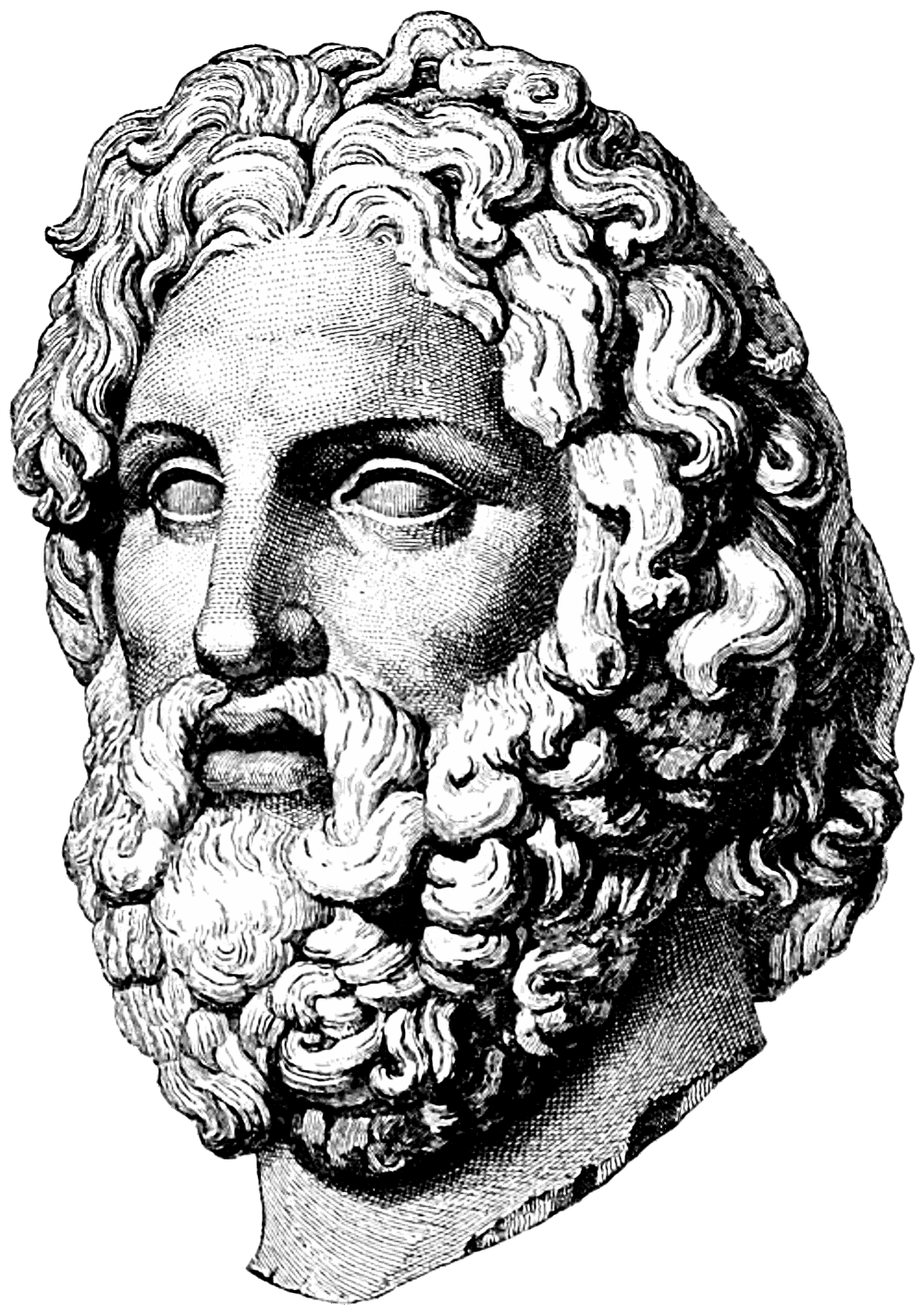
Asclepius – The Greek God of Medicine and Healing
Asclepius was the ancient Greek god of medicine, healing, and the restoration of health. Revered throughout the Greek and Roman worlds, he represented the extraordinary power of medical knowledge, the art of healing, and humanity's enduring struggle against disease and suffering. Unlike many Greek gods who ruled over the heavens, seas, or natural forces, Asclepius was especially concerned with the physical well-being of human beings, making him one of the most respected and widely worshipped deities of the ancient world.
Asclepius occupied a unique position within Greek mythology. He was originally portrayed as a remarkable mortal healer or heroic physician who possessed extraordinary medical abilities. Through his association with Apollo and his growing religious importance, he came to be worshipped as a divine healer. His reputation became so great that ancient stories credited him with the ability to restore the dead to life, challenging the natural boundaries separating mortality from immortality.
The worship of Asclepius spread throughout the Greek world, particularly from the fifth century BC onwards. His sanctuaries, known as Asclepieia, became important centres of religious healing, where people travelled to seek relief from illness, injury, and physical suffering. The most famous of these sanctuaries was located at Epidaurus in the northeastern Peloponnese.
Asclepius is traditionally depicted as a mature, bearded man holding a staff around which a single serpent is coiled. This symbol, known as the Rod of Asclepius, remains one of the most recognisable emblems of medicine today.
His mythology, religious worship, and enduring symbolism demonstrate the profound importance of healing in ancient Greek civilisation and the belief that medical knowledge could bring humanity closer to the powers of the gods.
The Origins of Asclepius
According to the most widespread Greek tradition, Asclepius was the son of Apollo, the Olympian god of prophecy, music, purification, and healing, and Coronis, a mortal princess associated with the region of Thessaly.
Coronis was commonly described as the daughter of Phlegyas, a king whose family was connected with several traditions concerning the early peoples of Greece.
The divine ancestry of Asclepius gave him an extraordinary position between the worlds of gods and mortals. Through Apollo, he inherited a connection with divine knowledge and healing, while his mortal mother linked him to the suffering and vulnerability of humanity.
Ancient accounts of his birth varied considerably. Some traditions placed his origins in Thessaly, particularly near Tricca, while others connected him with Epidaurus, which later became one of the greatest centres of his worship.
These differing traditions reflected the importance of Asclepius to several Greek communities, each preserving stories that connected the celebrated healer with its own religious and cultural history.
Although the details of his birth differed, the central theme remained consistent: Asclepius was a child of exceptional divine ancestry who would become the greatest healer of the ancient Greek world.
Apollo and Coronis
One of the most famous myths concerning the origins of Asclepius describes the tragic relationship between Apollo and Coronis.
According to a tradition preserved by Pindar, Apollo fell in love with Coronis, who became pregnant with his child. However, Coronis subsequently entered into a relationship with a mortal man named Ischys.
Apollo learned of her betrayal and became furious. In Pindar's account, he sent his sister Artemis to punish Coronis.
Artemis killed Coronis, and her body was prepared for the funeral pyre.
As the flames began to consume the body, Apollo intervened to rescue the unborn child.
He removed the infant Asclepius from his mother's body before the fire could destroy him.
In later versions of the story, particularly that told by the Roman poet Ovid, Apollo himself kills Coronis after discovering her unfaithfulness. Overcome by regret, he saves their unborn son from the funeral flames.
The extraordinary circumstances of Asclepius's birth established an important theme in his mythology: life could be preserved even in the presence of death.
His rescue from his mother's funeral pyre foreshadowed the remarkable healing powers for which he would eventually become famous.
The Birth of Asclepius
The birth of Asclepius became one of the most significant events in Greek mythology concerning the origins of medicine.
Unlike ordinary mortals, Asclepius entered the world through divine intervention after the death of his mother.
His survival demonstrated the protective power of Apollo and established his destiny as an extraordinary healer.
Some ancient traditions differed from the familiar story of Coronis's death. In accounts associated with Epidaurus, Coronis gave birth to Asclepius near the sacred mountain of Tittheion, where the infant was subsequently discovered and protected.
According to one version recorded by Pausanias, the child was left on the mountain and nourished by a goat while a dog guarded him.
A shepherd eventually discovered the infant and recognised signs of his divine nature.
These stories reflected the importance of miraculous birth narratives in ancient Greek religion.
They also helped explain why Asclepius was considered more than an ordinary physician. From the beginning of his life, he was associated with divine protection, extraordinary survival, and the possibility of overcoming death.
Asclepius and the Centaur Chiron
After his birth, Asclepius was entrusted to Chiron, the wise centaur who lived on Mount Pelion in Thessaly.
Unlike the wild and frequently violent centaurs found in many Greek myths, Chiron was celebrated for his intelligence, wisdom, and knowledge of medicine.
He was also renowned as the teacher of several important Greek heroes, including Achilles, Jason, and, in some traditions, Heracles.
Under Chiron's guidance, Asclepius learned the principles of healing, the properties of medicinal plants, and the treatment of wounds and diseases.
Chiron was associated with the use of herbs, roots, and natural remedies, reflecting the close relationship between early medical practices and knowledge of the natural environment.
Asclepius proved to be an exceptional student, developing abilities that eventually surpassed those of his teacher.
His training represented the transmission of specialised knowledge from an experienced master to a gifted pupil, an idea that later became important in the history of medical education.
The relationship between Asclepius and Chiron also demonstrated that healing required learning, observation, and practical knowledge rather than divine intervention alone.
The Healing Powers of Asclepius
Asclepius became famous throughout the Greek world for his extraordinary ability to heal the sick and injured.
Ancient mythology credited him with curing severe diseases, treating otherwise fatal wounds, and restoring individuals who appeared beyond the reach of ordinary medicine.
His healing abilities were sometimes described as combining knowledge of medicinal plants, surgical techniques, and remedies derived from divine instruction.
As his reputation grew, people increasingly regarded him as a physician whose powers approached those of the immortal gods.
Unlike deities associated primarily with war, kingship, or natural destruction, Asclepius used his extraordinary abilities to relieve human suffering.
His character therefore represented a distinctive form of divine power based upon restoration rather than conquest.
In Greek religious thought, health was one of the greatest blessings available to mortals. Disease and injury could threaten not only individual lives but also the stability of families and communities.
The remarkable abilities attributed to Asclepius reflected humanity's desire for protection against these dangers.
Asclepius and the Power to Raise the Dead
The most extraordinary aspect of Asclepius's mythology was his alleged ability to restore the dead to life.
According to several ancient traditions, his medical knowledge eventually became so advanced that he could reverse death itself.
Different sources named various individuals whom Asclepius supposedly restored to life, including Hippolytus, the son of Theseus, and other figures associated with heroic mythology.
Some accounts explained that Asclepius received supernatural knowledge concerning resurrection through the blood of the Gorgon Medusa.
According to a tradition preserved by Apollodorus, Athena gave Asclepius blood taken from the Gorgon. Blood from one side possessed destructive properties, while blood from the other could restore life.
With this extraordinary power, Asclepius crossed the boundary separating human medicine from divine authority.
Death was regarded as an unavoidable condition of mortal existence, and the ability to reverse it threatened the established structure of the universe.
His actions therefore brought him into conflict with Zeus, the supreme ruler of the Olympian gods.
Zeus and the Death of Asclepius
Asclepius's ability to raise the dead eventually provoked the anger of Zeus.
According to a widespread mythological tradition, Zeus feared that the restoration of deceased mortals would disrupt the natural order governing life and death.
The distinction between mortals and immortals was fundamental to Greek mythology. Human beings were destined to die, while the gods possessed everlasting life.
By returning the dead to the living world, Asclepius challenged this division.
Zeus therefore struck him with a thunderbolt, ending his mortal existence.
The story illustrates one of the recurring themes of Greek mythology: even extraordinary individuals possessing divine ancestry could not exceed the limits established by the supreme gods.
Asclepius had achieved remarkable success through his knowledge of healing, but his powers ultimately threatened the balance between mortality and immortality.
His death became an important symbol of the limitations of medicine and the belief that certain boundaries belonged exclusively to divine authority.
The Anger of Apollo
When Apollo learned that Zeus had killed his son Asclepius, he became overwhelmed by grief and anger.
Unable or unwilling to attack Zeus directly, Apollo directed his fury towards the Cyclopes, the divine craftsmen associated with the creation of Zeus's thunderbolts.
In several traditions, Apollo killed the Cyclopes in revenge for the death of Asclepius.
Zeus was furious at Apollo's actions and imposed a punishment upon him.
According to one well-known account, Apollo was required to serve the mortal king Admetus of Pherae for a period of time.
During this service, Apollo worked as a herdsman and helped bring prosperity to the king's household.
The myth connected the death of Asclepius with the broader divine struggles involving Apollo, Zeus, and the limits of Olympian authority.
It also demonstrated the emotional importance of Asclepius to his divine father.
The Apotheosis of Asclepius
Although many myths described Asclepius being killed by Zeus, he nevertheless became one of the most important divine healers worshipped in the ancient world.
Later traditions reconciled his death with his divine status by describing his elevation to godhood.
This transformation is known as apotheosis, the process by which a mortal or heroic figure becomes divine.
In some accounts, Asclepius was placed among the stars as the constellation Ophiuchus, the Serpent Bearer.
Ophiuchus is represented as a human figure holding a serpent, closely resembling the traditional imagery associated with the healing god.
The identification of Asclepius with Ophiuchus became particularly important in later astronomical and mythological traditions.
Although the constellation possessed different interpretations, its association with Asclepius reinforced his enduring connection with serpents and divine healing.
His transformation from heroic physician to immortal god reflected the extraordinary religious importance he acquired throughout the Greek and Roman worlds.
Asclepius – The Divine Physician
Asclepius became known as the divine physician, a title reflecting his unparalleled association with the treatment of illness and the restoration of health.
Unlike Apollo, whose divine responsibilities encompassed prophecy, music, purification, and healing, Asclepius was concerned primarily with medicine.
His worship focused upon the practical needs of people suffering from physical and, in some cases, psychological distress.
Ancient worshippers approached him with prayers for recovery from disease, relief from pain, and protection against future illness.
His divine character was closely connected with the belief that healing could occur through a combination of religious devotion, appropriate treatment, and the guidance of experienced practitioners.
Asclepius therefore occupied an important position between religion and the developing traditions of Greek medicine.
He represented the hope that knowledge, skill, and divine favour could restore the body to health.
The Rod of Asclepius
The most famous symbol associated with Asclepius was a wooden staff with a single serpent coiled around it.
Known as the Rod of Asclepius, this emblem became one of the most enduring symbols of medicine.
Ancient representations frequently showed Asclepius as a mature, bearded man holding the staff, sometimes accompanied by a serpent.
The serpent possessed several possible symbolic meanings within Greek religious culture.
Because snakes shed their skin, they could be associated with renewal, rejuvenation, and the continuation of life.
Snakes were also connected with the Earth, sacred places, and certain forms of divine presence.
In the worship of Asclepius, non-venomous snakes were kept at some healing sanctuaries and became closely associated with the god.
The staff itself has often been interpreted as representing the travelling physician or the authority of the healer, although ancient sources do not provide a single definitive explanation of its symbolism.
Together, the serpent and staff formed an image that linked healing with divine knowledge, renewal, and the natural world.
The Rod of Asclepius and the Caduceus
The Rod of Asclepius is sometimes confused with the caduceus, another ancient symbol involving serpents and a staff.
The caduceus was traditionally associated with Hermes, the messenger of the gods, and generally consists of a staff entwined by two serpents, frequently topped with wings.
Hermes was associated with communication, travel, trade, and the movement between different realms.
Asclepius, by contrast, was the god of medicine and healing, and his traditional emblem featured a single serpent entwined around an unwung staff.
The distinction is historically important because the Rod of Asclepius is the more directly appropriate classical symbol of medicine.
Nevertheless, the caduceus has also been adopted by some modern medical organisations, particularly in the United States.
The continuing use of these symbols demonstrates the influence of ancient Greek mythology upon the visual identity of modern healthcare.
The Sacred Serpents of Asclepius
Serpents played an important role in the religious worship of Asclepius.
At several healing sanctuaries, snakes were regarded as sacred animals associated with the presence and healing power of the god.
Their connection with Asclepius may have reflected beliefs concerning renewal, fertility, the Earth, and the mysterious forces of life.
Ancient writers recorded stories in which serpents appeared during healing experiences or represented the presence of Asclepius himself.
When the worship of Asclepius was introduced to Rome in the early third century BC, a famous tradition described a sacred serpent travelling from Epidaurus to the city.
The serpent was understood as an embodiment or sign of the healing god.
Its arrival became associated with the establishment of a Roman sanctuary dedicated to Asclepius.
The prominence of serpents in his cult distinguished Asclepius from many other Greek deities and contributed to his distinctive religious identity.
The Family of Asclepius
Asclepius was associated with a remarkable family of divine figures who represented different aspects of medicine, healing, and health.
His wife was commonly identified as Epione, whose name is associated with the soothing or alleviation of pain.
His daughters included Hygieia, Panacea, Aceso, Iaso, and Aegle, although ancient genealogies varied.
Hygieia personified health, cleanliness, and the preservation of well-being. Her name became the source of the modern word "hygiene".
Panacea represented universal healing and became associated with the idea of a remedy capable of curing every disease.
Aceso was connected with the process of healing and recovery, while Iaso represented restoration from illness.
Aegle was associated with radiant health and the splendour of physical well-being.
Asclepius also had sons connected with medicine and healing, most notably Machaon and Podalirius, who appeared in traditions concerning the Trojan War.
Through his divine family, Asclepius became the centre of an extensive mythological representation of medical care, recovery, and the maintenance of health.
Hygieia – Goddess of Health
Hygieia was one of the most important daughters of Asclepius and became a widely recognised goddess associated with health and well-being.
Where Asclepius was particularly associated with curing illness, Hygieia represented the preservation of health and the prevention of disease.
She was frequently honoured alongside her father at healing sanctuaries throughout the Greek world.
Ancient artists commonly depicted Hygieia as a young woman feeding or tending a serpent, emphasising her connection with the sacred animals associated with Asclepius.
Her religious significance reflected the belief that health involved more than the treatment of existing illnesses.
Maintaining bodily well-being was also an important concern.
The modern word "hygiene" derives from her name and preserves the ancient connection between health and preventative care.
Panacea – The Goddess of Universal Healing
Panacea was another daughter of Asclepius and represented the concept of universal healing.
Her name derives from Greek elements meaning "all" and "remedy", giving rise to the idea of a treatment capable of curing every illness.
In ancient mythology, Panacea belonged to the divine family responsible for different aspects of medicine and health.
Her symbolic role reflected the enduring human hope that every disease might eventually be overcome.
The word "panacea" survives in modern language as a term for a universal remedy or a supposed solution to every problem.
Although no single treatment can cure all diseases, the concept continues to express humanity's desire to overcome suffering through medical knowledge.
Machaon and Podalirius – The Physician Heroes
Machaon and Podalirius were famous sons of Asclepius who appeared in the mythology of the Trojan War.
In Homer's Iliad, they were associated with the Greek forces fighting against Troy and were celebrated for their medical abilities.
Machaon is particularly remembered for treating wounded warriors, including Menelaus, who was injured by an arrow.
Podalirius was also recognised as a skilled physician and healer.
Later traditions sometimes distinguished their medical specialities, associating one more strongly with surgery and the other with the treatment of internal illnesses.
These distinctions are not consistently established in the earliest surviving sources but became part of later accounts of their medical expertise.
Their presence in the Trojan War demonstrated the importance of physicians even within the heroic world of battle and military glory.
Through Machaon and Podalirius, the healing traditions associated with Asclepius became connected with some of the most celebrated events in Greek epic literature.
Asclepius and the Trojan War
Although Asclepius himself was not a central participant in Homer's narrative of the Trojan War, his sons Machaon and Podalirius played important roles among the Greek forces.
Ancient epic poetry recognised that warriors required medical attention when wounded by arrows, spears, and other weapons.
The physician brothers represented specialised healing knowledge within the Greek army.
The Iliad describes the treatment of wounds through the removal of weapons, the cleansing of injuries, and the application of medicinal preparations.
These passages provide valuable evidence of how the ancient Greeks imagined medical practice in the heroic age.
The connection between Asclepius and the physician heroes helped establish a legendary ancestry for the medical profession.
Later Greek physicians could look to Asclepius as the divine origin of their healing tradition.
The Sanctuaries of Asclepius
As the worship of Asclepius spread, sanctuaries dedicated to the healing god were established throughout the Greek world.
These sacred places were known as Asclepieia, with the singular form being Asclepieion.
They became important destinations for people seeking relief from illness and injury.
Unlike ordinary temples devoted primarily to sacrifice and public worship, the Asclepieia often incorporated facilities specifically associated with healing rituals.
These could include sleeping chambers, sacred courtyards, bathing facilities, altars, and spaces used for religious ceremonies.
Many sanctuaries were established in attractive natural surroundings where fresh air, water, and a peaceful environment contributed to their religious atmosphere.
Visitors offered prayers and sacrifices to Asclepius and sometimes presented dedications expressing gratitude for recovery.
Although the Asclepieia differed significantly from modern hospitals, they were important centres of ancient healing culture.
Their activities combined religious devotion with practices intended to support recovery and bodily well-being.
The Great Sanctuary of Epidaurus
The most celebrated sanctuary of Asclepius was located at Epidaurus in the northeastern Peloponnese.
Epidaurus became one of the most important healing centres in ancient Greece and attracted visitors from many regions of the Mediterranean.
The sanctuary developed into a substantial religious complex containing temples, altars, accommodation facilities, and buildings associated with healing rituals.
Its most famous surviving structure is the ancient theatre of Epidaurus, renowned for its architecture and acoustics.
Although the theatre served dramatic and musical performances rather than medical treatment itself, it formed part of the wider sacred landscape associated with the sanctuary.
The principal temple of Asclepius was built during the fourth century BC and contained an important cult statue of the god.
The sanctuary also included an abaton, a special building where worshippers participated in ritual sleep in the hope of receiving divine healing.
Epidaurus preserved numerous inscriptions describing cures attributed to Asclepius, providing valuable evidence of ancient beliefs concerning illness and recovery.
The archaeological site is now recognised as one of the most significant surviving examples of ancient Greek religious architecture.
Dream Healing and Incubation
One of the most distinctive practices associated with Asclepius was incubation, a ritual in which worshippers slept within a sacred area hoping to experience a healing dream.
Visitors seeking treatment often underwent purification rituals before entering the sleeping chambers.
These preparations could include washing, prayer, sacrifice, and other religious observances.
During sleep, worshippers hoped that Asclepius would appear to them in a dream.
The god might provide instructions concerning a remedy, reveal the cause of an illness, or perform a miraculous cure within the dream itself.
In some accounts, the healing occurred immediately, while others described instructions that required further action after awakening.
Priests and attendants helped maintain the sanctuary and its religious practices.
The importance of dreams reflected the ancient belief that divine beings could communicate with mortals during sleep.
Incubation became a defining feature of the cult of Asclepius and distinguished his sanctuaries from many other religious institutions.
The Healing Inscriptions of Epidaurus
Among the most remarkable surviving records from the sanctuary of Epidaurus are inscriptions describing miraculous recoveries attributed to Asclepius.
These records, often called the Epidaurian healing inscriptions or iamata, preserve accounts of individuals who claimed to have received divine assistance.
The stories describe a variety of illnesses and physical conditions, including blindness, infertility, paralysis, and other serious difficulties.
In several accounts, Asclepius appeared in a dream and performed a healing action upon the sufferer.
Other stories describe individuals receiving instructions that supposedly led to recovery.
The inscriptions served as religious testimonies celebrating the power of the god.
They also encouraged visitors to place their trust in the sanctuary and its healing traditions.
These accounts cannot be treated as independently verified medical case histories, but they are extremely valuable evidence for understanding ancient religious beliefs, experiences of illness, and attitudes towards healing.
Asclepius and Ancient Greek Medicine
The worship of Asclepius developed alongside the emergence of increasingly systematic medical practices in ancient Greece.
Greek physicians investigated diseases, observed symptoms, and developed treatments based upon their understanding of the human body and natural environment.
Asclepius became a symbolic ancestor of these medical traditions.
Some physicians claimed descent from families known as the Asclepiads, whose name reflected their association with the healing god.
These medical families and professional groups helped preserve and transmit knowledge concerning diagnosis and treatment.
Ancient Greek medicine was not a single unified system. Religious healing, practical remedies, philosophical theories, and direct observation existed alongside one another.
The cult of Asclepius demonstrates that ancient people did not necessarily regard religious faith and medical treatment as opposing approaches.
Instead, many individuals sought healing through a combination of divine assistance and practical care.
Asclepius and Hippocrates
Hippocrates of Kos, traditionally dated to approximately 460–370 BC, became one of the most influential figures in the history of ancient Greek medicine.
He was associated with the development of medical approaches that emphasised careful observation, diagnosis, and the investigation of natural causes of disease.
Although the works collected under the name of Hippocrates were written by several authors over time, they became foundational texts in the history of Western medicine.
Hippocrates was traditionally associated with the Asclepiad medical lineage, linking him symbolically with Asclepius.
The connection reflected the importance of the healing god as a patron and ancestral figure for physicians.
Greek medical writers increasingly explored explanations of illness involving diet, environment, bodily processes, and other natural factors.
These developments did not eliminate religious healing, and the worship of Asclepius remained important for many centuries.
The relationship between Hippocratic medicine and the cult of Asclepius illustrates the complex development of medical knowledge in the ancient world.
The Hippocratic Oath and Asclepius
One of the strongest connections between Asclepius and the historical medical profession appears in the traditional Hippocratic Oath.
The ancient oath begins by invoking Apollo the Physician, Asclepius, Hygieia, Panacea, and other divine powers as witnesses.
This opening demonstrates the religious significance of Asclepius within ancient medical culture.
The oath contains commitments concerning professional conduct, the treatment of patients, the transmission of medical knowledge, and the responsibilities of physicians.
Although its precise date and authorship remain subjects of scholarly discussion, the oath became one of the most influential ethical texts associated with medicine.
Modern medical oaths frequently draw inspiration from the Hippocratic tradition, although their wording and principles may differ considerably from the ancient text.
Asclepius's appearance in the traditional oath helped preserve his position as a lasting symbol of the medical profession.
Asclepius and the Importance of Purification
Purification played an important role in many ancient Greek religious practices, including those associated with healing.
Before entering sacred spaces, worshippers might be required to wash or perform rituals intended to prepare them for contact with the divine.
At the sanctuaries of Asclepius, purification could involve bathing, prayer, sacrifice, and observance of sanctuary regulations.
These practices reflected religious ideas concerning cleanliness, sacred preparation, and the relationship between bodily and spiritual well-being.
Water was particularly important because it was associated with cleansing and renewal.
Many Asclepieia possessed fountains, springs, or bathing facilities that contributed to the atmosphere of purification and healing.
Although ancient religious purification should not be equated directly with modern scientific hygiene, it demonstrates the importance attached to cleanliness and preparation within the healing cult.
Asclepius and the Healing Power of Nature
The mythology of Asclepius was closely associated with the natural world.
His education under Chiron emphasised medicinal plants, herbs, and remedies derived from the environment.
Ancient Greek physicians used a wide range of natural substances in attempts to treat illness and injury.
Plants, roots, oils, minerals, and other materials formed part of the medical knowledge developed throughout antiquity.
The sanctuaries of Asclepius were often situated in peaceful landscapes that contributed to the religious experience of visitors.
Natural surroundings, access to water, opportunities for rest, and the reassuring atmosphere of sacred spaces may have supported the well-being of some worshippers.
Nevertheless, the effectiveness of individual ancient remedies varied, and many treatments lacked the scientific evidence required in modern medicine.
Asclepius's association with nature reflected an early understanding that healing involved the body, its environment, and the resources available in the natural world.
The Spread of the Cult of Asclepius
The worship of Asclepius expanded significantly during the classical and Hellenistic periods of Greek history.
Healing sanctuaries were established in numerous Greek cities and regions, reflecting the growing popularity of the god.
Important centres of worship included Epidaurus, Kos, Pergamon, Athens, and several locations in Asia Minor.
The sanctuary at Kos became particularly significant because of the island's strong association with Hippocrates and the development of Greek medicine.
Pergamon, in western Asia Minor, possessed another major healing sanctuary that became especially prominent under Roman rule.
The establishment of Asclepius cults in different regions demonstrated the widespread appeal of a deity concerned with health and recovery.
Unlike local gods whose worship remained restricted to particular communities, Asclepius became a figure recognised across much of the Mediterranean world.
Asclepius Comes to Athens
The cult of Asclepius was formally introduced to Athens in 420/419 BC, during the Peloponnesian War.
The arrival of the healing god occurred at a time when Athens had experienced severe suffering from war and epidemic disease.
The devastating plague that struck Athens beginning in 430 BC had caused enormous loss of life and contributed to widespread social distress.
Although the introduction of Asclepius cannot be attributed solely to the plague, the city's experience of disease formed an important part of the historical background.
A sanctuary dedicated to Asclepius was established on the southern slope of the Acropolis.
The Athenian Asclepieion became an important place of worship and healing.
Its location near the Theatre of Dionysus placed the healing cult within one of the most important religious and cultural landscapes of Athens.
The establishment of the sanctuary reflected the growing importance of Asclepius within public religious life.
Asclepius at Pergamon
Pergamon, an important ancient city in western Asia Minor, became home to one of the most celebrated sanctuaries of Asclepius.
The healing complex developed over several centuries and became particularly prominent during the Roman imperial period.
Visitors travelled to Pergamon seeking treatment for a variety of illnesses and physical conditions.
The sanctuary incorporated religious buildings, courtyards, fountains, and facilities associated with healing practices.
One of the most famous physicians connected with Pergamon was Galen, who lived during the second century AD.
Galen became one of the most influential medical writers of antiquity, and his work shaped medical understanding for many centuries.
His association with the city illustrates the importance of Pergamon as both a centre of healing religion and a location connected with the development of medical scholarship.
Asclepius in Roman Mythology
The Romans adopted the Greek healing god under the Latin name Aesculapius.
His worship was formally introduced to Rome during the early third century BC following a serious epidemic.
According to Roman tradition, religious authorities consulted the Sibylline Books and were instructed to bring the healing god from Epidaurus.
A Roman delegation travelled to the Greek sanctuary, where a sacred serpent associated with Asclepius reportedly entered their ship.
When the vessel reached Rome, the serpent left the ship and moved towards Tiber Island.
This event was interpreted as a divine sign indicating where the sanctuary of Aesculapius should be established.
A temple dedicated to the god was subsequently built on Tiber Island and dedicated in 291 BC.
The sanctuary became an important centre of Roman healing worship.
The introduction of Asclepius to Rome demonstrates the profound influence of Greek religion upon Roman culture and the universal appeal of divine healing.
Tiber Island and the Temple of Aesculapius
Tiber Island became closely associated with the worship of Asclepius after the establishment of his Roman sanctuary.
According to tradition, the island was chosen because the sacred serpent representing the god had settled there.
The island's location within the River Tiber made it a distinctive setting for religious healing.
During the Roman period, the sanctuary attracted worshippers seeking relief from disease and suffering.
The island later became associated with medical institutions, continuing a long historical relationship with healthcare.
The modern Fatebenefratelli Hospital on Tiber Island reflects this broader continuity of medical activity at the location, although it is not a direct institutional survival of the ancient temple.
The history of Tiber Island provides an important example of how the legacy of Asclepius influenced the religious and medical geography of Rome.
Asclepius in Ancient Greek Art
Ancient Greek artists generally portrayed Asclepius as a dignified, mature man with a beard, often wearing a long cloak that left part of his chest exposed.
He was commonly depicted holding his distinctive staff entwined by a serpent.
His appearance conveyed wisdom, calmness, and authority rather than military power.
Unlike gods such as Ares or Zeus, Asclepius was not typically represented carrying weapons.
His principal attribute was the healing staff, emphasising his association with medicine.
He was frequently accompanied by Hygieia, who appeared as a young woman associated with a serpent and a vessel.
Statues of Asclepius were displayed in healing sanctuaries, temples, and other religious settings.
Reliefs sometimes depicted worshippers approaching the god or receiving divine assistance.
These artistic representations reinforced his role as a benevolent healer whose power was directed towards restoring human health.
The Symbols of Asclepius
Asclepius possessed several important symbols that reflected different aspects of his healing powers.
The Rod of Asclepius was his most recognisable emblem, representing the divine physician and the enduring traditions of medicine.
The serpent symbolised renewal, healing, and the sacred presence associated with the god.
The dog also appeared in some healing traditions, particularly in stories concerning the miraculous circumstances of Asclepius's infancy and certain sanctuary practices.
Medicinal plants and natural remedies reflected the knowledge he acquired from Chiron.
The healing sanctuary itself became an important symbol of his worship, representing a sacred place where mortals could seek divine assistance.
Together, these symbols expressed the central themes of his mythology: recovery, renewal, knowledge, and the preservation of life.
Asclepius and Divine Compassion
One of the most distinctive qualities of Asclepius was his association with compassion towards those suffering from illness.
Greek mythology frequently portrayed the gods as powerful beings concerned with honour, authority, conflict, and the maintenance of divine order.
Asclepius, by contrast, became famous for restoring health and relieving pain.
His religious appeal was closely connected with the vulnerability of the human body.
Illness could affect people regardless of wealth, social status, or personal achievement.
The cult of Asclepius offered worshippers a source of hope during periods of uncertainty and suffering.
His sanctuaries preserved accounts of people seeking relief from many different conditions, demonstrating the personal importance of the healing god to ancient communities.
Although his miraculous cures belong to the sphere of religious tradition, the widespread devotion he inspired reveals the profound emotional significance of healing.
Asclepius and the Boundaries of Mortality
The myth of Asclepius raising the dead contains one of the most important philosophical themes associated with the healing god.
Medicine seeks to preserve life, relieve suffering, and overcome disease, but human beings remain subject to mortality.
Asclepius's extraordinary abilities brought him close to overcoming this fundamental limitation.
When he began restoring the dead to life, his actions challenged the cosmic order maintained by Zeus.
The punishment imposed upon Asclepius reflected the ancient belief that divine power established boundaries that even the greatest healer could not cross.
The story may also be understood as a reflection on the responsibilities and limitations of medical knowledge.
Healing was regarded as a remarkable gift, but the pursuit of power over life and death raised profound questions about authority and the natural order.
This tension between medical ambition and human mortality remains one of the most enduring aspects of the mythology of Asclepius.
Asclepius in Ancient Literature
Asclepius appears in several important works of ancient Greek and Roman literature.
In Homer's Iliad, he is identified as the father of the physician heroes Machaon and Podalirius.
Pindar's Third Pythian Ode provides one of the most important surviving accounts of his birth, education under Chiron, extraordinary healing abilities, and death at the hands of Zeus.
Apollodorus preserves additional traditions concerning his medical powers and the supernatural means by which he could restore the dead.
Pausanias records important information about his worship, sanctuaries, and competing traditions concerning his birthplace.
Roman writers, including Ovid, describe episodes associated with the arrival of the healing god in Rome.
These literary sources demonstrate the development of Asclepius from a heroic physician into one of the most influential healing deities of the ancient Mediterranean.
Asclepius and the Philosophy of Medicine
The mythology of Asclepius raises important questions concerning the relationship between knowledge, divine power, and human responsibility.
Asclepius acquired his medical abilities through education and developed them to an extraordinary degree.
His story therefore presents healing as a specialised art requiring wisdom, discipline, and understanding.
At the same time, his divine ancestry connects medical practice with religious ideas concerning the sacred value of life.
The ancient Greeks increasingly investigated medicine through observation and rational explanation, but many continued to seek divine assistance during illness.
These approaches were not always considered incompatible.
Asclepius became a figure who symbolically united the practical work of physicians with the wider religious hope for healing.
His mythology also emphasised the limitations of medical power, particularly through the story of his conflict with Zeus.
In this sense, Asclepius represented both the extraordinary possibilities of medicine and the enduring challenges posed by mortality.
Asclepius and the Development of Medical Ethics
Asclepius's importance to ancient physicians contributed to his lasting association with medical ethics.
The invocation of Asclepius in the traditional Hippocratic Oath placed the healing god among the divine witnesses to professional commitments.
Ancient medical ethics involved concerns about the responsibilities of physicians, the proper transmission of knowledge, and the treatment of patients.
The Hippocratic tradition emphasised principles concerning professional conduct, confidentiality, and avoiding certain forms of harm.
Modern medical ethics has developed considerably beyond ancient Greek practices, incorporating principles such as informed consent, patient autonomy, justice, and evidence-based treatment.
Nevertheless, Asclepius remains an enduring symbol of the responsibilities associated with the medical profession.
His connection with healing reflects the belief that medical knowledge should be used to preserve life and reduce suffering.
Asclepius in Modern Medicine
The influence of Asclepius continues to be visible in modern healthcare.
The Rod of Asclepius is used by numerous medical organisations, professional associations, and healthcare institutions around the world.
Its single serpent and staff remain among the most widely recognised symbols of medicine.
The World Health Organization incorporates the Rod of Asclepius into its emblem, combining the ancient symbol of healing with a representation of the world.
The United States Medical Association and other medical organisations have also adopted variations of the emblem.
The name Asclepius appears in medical history, academic literature, artistic representations, and discussions concerning the origins of healthcare.
Although modern medicine relies upon scientific research, clinical evidence, and increasingly advanced technology, the symbolic association between Asclepius and the healing profession remains strong.
His legacy demonstrates the remarkable continuity of certain ideas about health, care, and the responsibilities of physicians.
Asclepius and Modern Scientific Understanding
The healing practices associated with the ancient cult of Asclepius belonged to a world in which religion and medicine were closely connected.
Dream incubation, sacred serpents, purification rituals, and offerings reflected the religious beliefs of ancient worshippers.
Modern medicine approaches illness through scientific investigation, clinical testing, and an understanding of anatomy, physiology, microbiology, and other fields.
Many conditions once attributed to divine intervention can now be explained through biological processes.
Nevertheless, the ancient experience of seeking care at an Asclepieion reveals important historical concerns that remain relevant today.
People suffering from illness often require reassurance, rest, emotional support, and confidence in those responsible for their treatment.
While the miraculous cures described in ancient inscriptions cannot be accepted as verified medical evidence, the sanctuaries of Asclepius provide valuable insights into the social and psychological dimensions of healing.
They also demonstrate how ancient communities organised specialised places dedicated to the restoration of health.
Asclepius and the Constellation Ophiuchus
The constellation Ophiuchus, whose name means "Serpent Bearer", is associated in later mythological traditions with Asclepius.
The constellation depicts a human figure holding a serpent, closely resembling the traditional imagery of the healing god.
According to one interpretation, Zeus placed Asclepius among the stars following his death, commemorating his extraordinary abilities.
Ophiuchus occupies a region of the sky between several familiar constellations, including Hercules, Scorpius, and Serpens.
The constellation has been recognised since antiquity and appears among the forty-eight constellations described by the astronomer Ptolemy.
Although its precise mythological identification varied, the association with Asclepius became one of its best-known classical interpretations.
This celestial connection reinforced the belief that the healing god possessed an enduring existence beyond the mortal world.
The Cultural Legacy of Asclepius
Asclepius became one of the most influential figures in the religious and medical history of the ancient Mediterranean.
His cult spread across Greek cities and later throughout the Roman Empire, attracting worshippers from different social backgrounds.
His sanctuaries became important centres of religious healing, while his divine family represented the many aspects of health, medicine, and recovery.
The stories of his birth, education, miraculous cures, and conflict with Zeus reflected the ancient fascination with the possibilities and limitations of medical knowledge.
His association with Hippocrates and the traditional medical oath helped establish him as a symbolic patron of physicians.
The Rod of Asclepius remains a powerful emblem of healthcare, connecting modern medical institutions with traditions extending back more than two thousand years.
Through literature, sculpture, religious history, and medical symbolism, Asclepius continues to represent the human desire to understand disease and restore health.
Conclusion – Asclepius, the Divine Healer
Asclepius was the ancient Greek god of medicine and healing, a remarkable divine figure whose mythology reflected humanity's struggle against illness, injury, and death.
As the son of Apollo and Coronis, he possessed extraordinary ancestry and was destined to become one of the greatest healers of Greek mythology.
Educated by the wise centaur Chiron, Asclepius developed exceptional medical knowledge and acquired a reputation for curing diseases and treating injuries that ordinary physicians could not overcome.
His powers eventually became so great that he was credited with restoring the dead to life, provoking the anger of Zeus and leading to his destruction by a thunderbolt.
Despite this tragic ending, Asclepius became an enduring divine figure whose worship spread throughout the Greek and Roman worlds.
His healing sanctuaries at Epidaurus, Athens, Kos, Pergamon, and Rome became important religious centres where sufferers sought relief through prayer, purification, and sacred dreams.
His family, including Hygieia and Panacea, represented the preservation of health and the universal hope for recovery.
The Rod of Asclepius, with its single coiled serpent, remains one of the most recognisable symbols of the medical profession.
For the ancient Greeks, Asclepius embodied the extraordinary power of healing and the possibility that knowledge, skill, and divine assistance could overcome suffering.
His mythology also acknowledged the limits of medicine and the unavoidable reality of human mortality.
Today, Asclepius remains a lasting symbol of medical knowledge, compassionate care, and the enduring human determination to preserve life and restore health.