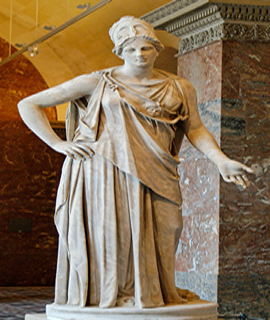
Athena (Ἀθηνᾶ, Athēnâ)
The Goddess of Wisdom, Strategic Warfare, and Civilised Arts
Introduction
Athena stands as one of the most revered and intellectually compelling deities of the ancient Greek pantheon, embodying the highest ideals of civilised society through her unique synthesis of wisdom, strategic warfare, and technological innovation. Unlike the brutal warfare represented by Ares, Athena's military prowess was characterised by intelligent planning, tactical brilliance, and the application of reasoned strategy to achieve victory through superior thinking rather than mere physical force or emotional fury.
As the patron goddess of Athens and the wider Greek conception of civilised urban life, Athena represented the triumph of order over chaos, intelligence over ignorance, and civilised society over barbaric disorder. Her influence extended beyond military affairs to encompass all forms of skilled craftsmanship, technological innovation, and the peaceful arts that distinguished Greek civilisation from what they perceived as the crude simplicities of barbarian societies that lacked proper organisation and intellectual development.
The complexity of Athena's divine nature reflects ancient Greek values that prioritised intellectual achievement whilst recognising the necessity of military strength for protecting civilised society from external threats and internal disorder. Her virgin status symbolised the purity of intellectual pursuit whilst her martial capabilities demonstrated that peaceful scholarship required strong defensive capabilities for preservation and continuation.
Her worship evolved from ancient Aegean goddess traditions through the classical period into Hellenistic and Roman times, adapting to changing political circumstances whilst maintaining essential functions that served both individual intellectual development and community welfare through divine inspiration and protection that enhanced human capability and cultural achievement.
Athena's Primary Divine Domains
- Wisdom and Knowledge: Intellectual pursuit and scholarly achievement
- Strategic Warfare: Military planning and tactical intelligence
- Craftsmanship: Skilled trades and technological innovation
- Civic Life: Urban civilisation and political organisation
- Justice: Legal reasoning and fair judgment
- Arts and Sciences: Cultural achievement and learning
The Miraculous Birth from Zeus's Head
The Prophecy and Zeus's Fear
The extraordinary circumstances surrounding Athena's birth began with a prophecy warning Zeus that any child born to the Titaness Metis would surpass him in wisdom and eventually overthrow his rule, creating divine anxiety about succession that had troubled previous generations of gods through cycles of violent revolution and cosmic upheaval that threatened divine order and universal stability.
This prophetic warning prompted Zeus to swallow Metis whilst she was pregnant with Athena, attempting to prevent the birth whilst absorbing her wisdom into his own divine nature. However, the pregnancy continued within Zeus's body, creating increasingly severe headaches that eventually required divine intervention to resolve the crisis whilst ensuring the safe delivery of the divine child destined for greatness.
The swallowing of Metis represented Zeus's attempt to contain wisdom whilst maintaining supreme authority, but the continued pregnancy demonstrated that knowledge and intelligence could not be suppressed indefinitely without consequences that eventually demanded resolution through creative approaches that acknowledged rather than denied the power of intellectual capability and divine destiny.
This mythological episode reflected Greek understanding of the relationship between authority and wisdom whilst exploring tensions between political power and intellectual capability that required balance rather than dominance through recognition that effective leadership required integration of multiple divine qualities and capabilities.
The Divine Birth and Hephaestus's Role
When Zeus's headaches became unbearable, Hephaestus split open his father's skull with an axe, enabling Athena to spring forth fully grown and armed, demonstrating immediate divine capability whilst bypassing normal developmental processes through supernatural birth that established her unique status within the divine hierarchy and cosmic order.
Her emergence in full armour, carrying spear and shield whilst uttering a war cry that shook Mount Olympus, announced her martial capabilities whilst establishing her as a formidable divine presence whose power commanded immediate respect from other Olympian deities and cosmic forces that recognised her exceptional nature and divine authority.
The dramatic nature of her birth influenced artistic representation whilst providing symbolic frameworks for understanding how wisdom could emerge from intellectual effort and creative thinking that required intensive mental work and careful development of ideas through systematic intellectual labour that produced remarkable results and cultural advancement.
This birth narrative established Athena's unique relationship with Zeus whilst demonstrating her inheritance of divine wisdom and tactical intelligence that combined paternal authority with maternal intelligence through supernatural synthesis that created unprecedented divine capabilities and cosmic influence.
Immediate Recognition and Divine Status
Athena's immediate recognition as a major Olympian deity demonstrated her inherent divine authority whilst establishing her position within the cosmic hierarchy through natural capability rather than gradual development or political maneuvering that characterised other divine advancement within the complex social and political structures of Mount Olympus.
Her instant maturity and divine wisdom impressed other Olympian deities whilst providing immediate validation of her prophesied greatness through demonstration of capabilities that exceeded normal divine standards and expectations whilst maintaining harmonious relationships with established divine authority and cosmic order that required careful negotiation and diplomatic skill.
The combination of martial prowess and intellectual capability established her unique niche whilst demonstrating how different types of divine power could complement rather than compete with each other through integration of military strength with scholarly wisdom that enhanced rather than threatened established divine relationships and cosmic stability.
This immediate divine recognition influenced later cultural understanding whilst providing frameworks for appreciating how exceptional individuals could achieve rapid advancement through demonstrated capability and wisdom that earned respect and authority through merit rather than inheritance or political manipulation within competitive social and professional environments.
Athena's Extraordinary Birth
- Mother: Metis, Titaness of wisdom and cunning
- Conception Crisis: Zeus swallowed Metis to prevent prophecy
- Divine Midwife: Hephaestus split Zeus's head with an axe
- Birth Appearance: Fully grown, armed, and ready for battle
- Initial Display: War cry that shook Mount Olympus
- Immediate Status: Full recognition as major Olympian deity
Goddess of Wisdom and Strategic Thinking
Divine Intellect and Rational Thought
Athena's wisdom encompassed both practical intelligence and theoretical knowledge whilst representing the disciplined application of rational thought to complex problems that required systematic analysis and careful reasoning rather than emotional response or impulsive action that might produce immediate results but failed to address underlying issues and long-term consequences.
Her intellectual approach distinguished her from other deities whilst demonstrating how divine power could operate through reasoned analysis and strategic planning that achieved superior results through careful preparation and thoughtful consideration of available options and potential consequences that informed effective decision-making and successful problem resolution.
The goddess's wisdom extended beyond mere academic knowledge whilst encompassing practical understanding of human nature, social organisation, and political dynamics that enabled effective intervention in mortal affairs through guidance that addressed both immediate needs and long-term development goals that served individual welfare and community prosperity.
This intellectual emphasis influenced Greek educational traditions whilst establishing frameworks for systematic learning and knowledge development that combined theoretical understanding with practical application through educational methods that prepared individuals for productive citizenship and cultural contribution within civilised society and democratic institutions.
Strategic Warfare and Military Intelligence
Unlike Ares's chaotic battle fury, Athena's military expertise emphasised strategic planning, tactical intelligence, and the systematic application of superior thinking to achieve victory through efficient resource use and careful coordination that minimised casualties whilst maximising effectiveness through disciplined military organisation and intelligent leadership that served both immediate military objectives and broader political goals.
Her strategic approach influenced military doctrine whilst demonstrating how intellectual capability could enhance martial effectiveness through proper planning, intelligence gathering, and tactical innovation that gave Greek forces advantages over numerically superior but less organised opponents who relied on courage and numbers rather than systematic military science and strategic thinking.
The goddess's military wisdom extended beyond battlefield tactics whilst encompassing broader understanding of warfare's political dimensions and the importance of maintaining popular support and economic resources that sustained military campaigns through comprehensive approaches that addressed both military and civilian requirements for successful conflict resolution and sustainable peace.
These military traditions influenced later strategic thought whilst providing frameworks for understanding how intellectual preparation and systematic planning could achieve superior results in competitive situations that required both individual excellence and group coordination through disciplined effort and intelligent resource management that served long-term strategic objectives.
Patron of Learning and Education
Athena's role as wisdom goddess established her as divine patron for all forms of learning and intellectual development whilst inspiring scholarly achievement and educational innovation that enhanced individual capability and cultural advancement through systematic knowledge acquisition and creative application of learning to practical problems and social challenges.
Her influence on educational traditions emphasised rigorous intellectual training whilst maintaining balance between theoretical knowledge and practical application through comprehensive approaches that prepared students for productive citizenship and cultural leadership within democratic society that required both individual excellence and cooperative capability for successful social organisation and political participation.
The goddess's educational patronage extended beyond formal instruction whilst encompassing all forms of intellectual inquiry and cultural development that enhanced human understanding and capability through creative investigation and systematic research that expanded knowledge whilst serving practical needs and spiritual development that enriched individual experience and community welfare.
These educational influences shaped Greek intellectual culture whilst providing models for systematic learning that combined respect for traditional wisdom with encouragement for creative innovation through educational methods that preserved cultural heritage whilst enabling intellectual advancement and cultural development that served both individual fulfillment and social progress.
Aspects of Athena's Wisdom
- Rational Analysis: Logical thinking and systematic reasoning
- Strategic Planning: Long-term thinking and tactical intelligence
- Practical Knowledge: Applied wisdom and technical expertise
- Educational Guidance: Learning methods and intellectual development
- Problem-Solving: Creative solutions and innovative approaches
- Judicial Wisdom: Fair judgment and legal reasoning
Patron Goddess of Athens and Urban Civilisation
The Contest with Poseidon
The mythological contest between Athena and Poseidon for patronage of the city that would become Athens represents fundamental tensions between different approaches to civilisation and social organisation whilst exploring themes of utility, innovation, and the relative value of military power versus intellectual contribution to community welfare and long-term prosperity.
Poseidon's gift of a salt spring or horse represented raw power and military capability whilst Athena's olive tree symbolised peace, prosperity, and sustainable abundance that could support civilised life through agricultural stability and economic foundation that enabled cultural development and political sophistication beyond mere survival and military dominance.
The Athenian choice of Athena's gift demonstrated preference for wisdom and peace over war and conquest whilst establishing divine precedent for valuing intellectual achievement and cultural development that served long-term community welfare through sustainable prosperity and civilised order that enhanced human potential and social harmony.
This foundational myth influenced Athenian identity whilst providing religious justification for the city's emphasis on intellectual achievement, democratic participation, and cultural innovation that distinguished Athens from military-focused rivals like Sparta whilst demonstrating alternative approaches to political organisation and social development that emphasised education and civic participation.
The Panathenaea and Civic Religion
The Great Panathenaea represented Athens's most important religious festival whilst demonstrating how civic identity could be strengthened through religious celebration that combined spiritual devotion with cultural display and competitive achievement that enhanced community pride and social cohesion whilst honouring the divine patron who protected and inspired the city.
The festival's elaborate procession, featuring the presentation of a new peplos (robe) to Athena's statue, involved the entire community whilst providing opportunities for displaying civic unity and cultural achievement through artistic creation and religious devotion that demonstrated both individual skill and collective capability in serving divine honour and community welfare.
Athletic and artistic competitions during the festival encouraged excellence whilst providing venues for recognising individual achievement within community contexts that balanced personal accomplishment with civic responsibility through competitive activities that enhanced both individual development and social harmony through shared participation in cultural celebration and religious observance.
The Panathenaea influenced other Greek festivals whilst providing models for civic celebration that combined religious devotion with cultural display and community participation through comprehensive approaches that served both spiritual needs and social requirements for identity formation and collective solidarity within urban civilisation and democratic political organisation.
The Parthenon and Architectural Achievement
The Parthenon, dedicated to Athena Parthenos (Athena the Virgin), represents the pinnacle of classical Greek architectural achievement whilst demonstrating how religious devotion could inspire artistic excellence and technological innovation that served both spiritual purposes and cultural display through magnificent construction that enhanced community pride and divine honour simultaneously.
The temple's sophisticated design and construction techniques showcased Greek engineering capabilities whilst providing permanent monument to Athenian cultural achievement and religious devotion that attracted visitors from throughout the ancient world whilst demonstrating the prosperity and sophistication that characterised classical Athenian civilisation and democratic society.
The Parthenon's sculptural programme, depicting mythological scenes and historical events, provided visual education whilst creating artistic frameworks for understanding Athenian values and cultural identity through beautiful representation of religious themes and civic pride that enhanced both spiritual experience and cultural understanding through integrated artistic and religious expression.
The temple's continuing influence on architectural tradition demonstrates the lasting power of classical achievement whilst providing inspiration for later cultural development through magnificent example of how religious devotion and artistic excellence could combine to create monuments that transcended immediate historical circumstances whilst serving eternal human aspirations for beauty and spiritual meaning.
Athena and Athenian Civilisation
- Divine Contest: Victory over Poseidon for city patronage
- Olive Tree Gift: Symbol of peace, prosperity, and wisdom
- Panathenaea: Great festival celebrating civic and religious unity
- Parthenon: Magnificent temple and architectural masterpiece
- Democratic Ideals: Intellectual participation and civic engagement
- Cultural Patronage: Arts, learning, and civilised achievement
Goddess of Crafts and Technological Innovation
Weaving and Textile Arts
Athena's mastery of weaving represented more than simple craftsmanship whilst embodying systematic thinking and creative problem-solving that characterised all forms of technological innovation and artistic achievement through disciplined skill development and creative application of traditional techniques to new challenges and artistic opportunities that enhanced both practical utility and aesthetic beauty.
The story of Arachne, who challenged Athena to a weaving contest and was transformed into a spider, demonstrated both the goddess's supreme skill and the dangers of excessive pride whilst exploring themes of artistic competition, divine authority, and appropriate humility that balanced individual achievement with recognition of divine superiority and cultural tradition.
Weaving symbolism influenced philosophical thinking whilst providing metaphors for cosmic order and social organisation that required careful integration of diverse elements through systematic planning and skilled execution that created unified results from disparate components through intelligent design and patient craftsmanship that served both practical needs and aesthetic appreciation.
The textile traditions associated with Athena influenced women's education whilst providing frameworks for skill development and artistic expression that combined practical utility with creative achievement through systematic training and cultural transmission that preserved traditional knowledge whilst encouraging innovation and individual artistic development within established cultural frameworks.
Pottery and Ceramic Arts
Athena's patronage of pottery represented technological innovation whilst demonstrating how traditional crafts could be elevated through artistic excellence and technical sophistication that transformed utilitarian objects into cultural expressions that served both practical needs and aesthetic pleasure through skilled craftsmanship and creative design that enhanced everyday life through beauty and functionality.
The development of Athenian black-figure and red-figure pottery techniques showcased technical innovation whilst providing artistic media for mythological narrative and cultural education through beautiful vessels that combined practical utility with visual storytelling that preserved cultural memory whilst enhancing domestic life through artistic beauty and meaningful decoration.
Pottery workshops under Athena's protection became centres of technological development whilst fostering artistic tradition and economic prosperity through skilled production that served both local needs and international trade that spread Greek cultural influence whilst providing economic foundation for urban civilisation and cultural achievement through successful commercial activity and artistic excellence.
These ceramic traditions influenced broader technological development whilst demonstrating how systematic skill development and artistic excellence could enhance both individual achievement and community prosperity through creative innovation and quality production that served diverse markets whilst maintaining cultural authenticity and artistic integrity within competitive commercial environments.
Metalworking and Engineering
Athena's association with metalworking and engineering represented divine involvement in technological progress whilst inspiring innovation in weapons, tools, and architectural engineering that enhanced both military capability and civilian prosperity through improved technology and construction techniques that supported urban civilisation and cultural development through enhanced material capability and artistic achievement.
The goddess's collaboration with Hephaestus in creating divine weapons and technological marvels demonstrated how wisdom and craftsmanship could combine whilst producing innovations that surpassed individual capability through cooperative effort and systematic development that achieved superior results through integrated planning and skilled execution that served both practical utility and artistic excellence.
Engineering achievements under Athena's inspiration included architectural innovations whilst encompassing hydraulic systems, fortification design, and mechanical devices that enhanced urban life and military capability through application of scientific principles and mathematical knowledge that improved both defensive capacity and civilian welfare through technological advancement and systematic improvement.
These technological traditions influenced later engineering development whilst providing frameworks for systematic innovation and quality production that combined theoretical knowledge with practical application through educational methods that preserved traditional skills whilst encouraging creative development and technological advancement that served both individual achievement and community prosperity.
Athena's Crafts and Technologies
- Weaving: Textile arts and symbolic cosmic order
- Pottery: Ceramic innovation and artistic expression
- Metalworking: Weapons, tools, and engineering excellence
- Architecture: Building design and construction techniques
- Navigation: Ship design and maritime technology
- Agriculture: Olive cultivation and farming innovations
Sacred Animals and Divine Symbols
The Owl and Divine Wisdom
The owl, Athena's most distinctive sacred animal, symbolised wisdom through its association with night vision and silent flight whilst representing the ability to perceive truth in darkness and confusion that surrounded most human situations requiring divine guidance and intellectual clarity for successful navigation and appropriate decision-making in complex circumstances and challenging environments.
The "little owl" (Athene noctua) became specifically associated with Athens whilst appearing on Athenian coinage as symbol of the city's intellectual character and commercial success that depended on wise decision-making and strategic thinking rather than mere military power or natural resource abundance through intelligent economic development and cultural achievement.
Owl symbolism influenced philosophical tradition whilst providing metaphors for intellectual insight and the pursuit of knowledge that required patient observation and careful analysis rather than hasty judgment or emotional response that might obscure truth and lead to inappropriate action based on incomplete understanding or prejudicial assumption rather than systematic investigation.
The nocturnal nature of owls connected them to mysteries and hidden knowledge whilst suggesting that true wisdom required willingness to explore uncomfortable truths and examine difficult questions that others might prefer to avoid through dedication to intellectual honesty and systematic inquiry that prioritised truth over convenience or social comfort.
The Olive Tree and Peaceful Prosperity
Athena's gift of the olive tree to Athens represented sustainable prosperity whilst symbolising the peaceful arts and economic foundation that supported civilised life through agricultural abundance and commercial opportunity that enabled cultural development and intellectual achievement beyond mere survival and basic social organisation through productive economic activity and stable resource base.
Olive cultivation required long-term thinking whilst demonstrating patience and systematic planning that characterised Athenian approaches to economic and political development through investment in future prosperity rather than immediate gratification or short-term advantage that might compromise long-term stability and cultural achievement through sustainable practices and careful resource management.
The olive branch became universal symbol of peace whilst representing Athena's preference for diplomatic resolution over military conflict when possible whilst maintaining capability for effective defence when negotiation failed to protect essential values and community welfare through balanced approaches that prioritised peaceful solutions whilst ensuring adequate defensive preparation.
Olive oil's multiple uses for food, lighting, and religious ritual demonstrated practical wisdom whilst providing economic foundation for Athenian prosperity and cultural achievement through valuable export commodity that supported international trade and cultural exchange whilst maintaining local self-sufficiency and economic independence through diversified agricultural and commercial development.
The Aegis and Divine Protection
The aegis, Athena's shield bearing Medusa's head, represented divine protection whilst demonstrating how defensive capability could serve peaceful purposes through deterrent effect that discouraged aggression whilst providing security for civilised activities and cultural development that required stable social environment and protection from external threats and internal disorder.
The Medusa head symbolised the power to petrify enemies whilst representing how wisdom and knowledge could provide defensive capability through understanding that revealed truth and exposed falsehood in ways that neutralised opposition through intellectual superiority rather than physical violence or emotional manipulation that might prove less effective and more destructive.
The aegis appeared in artistic representation whilst providing visual symbol of divine authority and protective power that reassured worshippers whilst demonstrating Athena's capability to defend those who served wisdom and justice through appropriate conduct and faithful devotion to civilised values and intellectual achievement that merited divine protection and guidance.
This protective symbolism influenced military traditions whilst providing religious frameworks for understanding how divine favour could enhance human capability through proper preparation and appropriate conduct that earned supernatural assistance whilst maintaining recognition of human responsibility for practical preparation and skilful execution that complemented rather than replaced divine blessing.
Athena's Sacred Symbols
- Animals: Owl, serpent, rooster
- Plants: Olive tree, cypress
- Weapons: Spear, aegis shield with Medusa's head
- Objects: Helmet, distaff, olive branch
- Architectural: Columns, especially Doric order
- Textiles: Peplos, golden ornaments
Major Myths and Divine Interventions
The Trojan War and Strategic Guidance
Athena's crucial role in the Trojan War demonstrated her strategic capabilities whilst showing how divine wisdom could determine military outcomes through superior planning and tactical intelligence that overcame numerical disadvantage and resource limitations through creative problem-solving and systematic application of available assets to achieve strategic objectives that served broader political and cultural goals.
Her guidance of Odysseus in developing the Trojan Horse stratagem represented the triumph of intelligence over brute force whilst demonstrating how creative thinking could achieve results that conventional military approaches had failed to accomplish through systematic siege warfare and direct assault that had proven ineffective despite years of sustained effort and considerable resource expenditure.
The goddess's protection of Greek heroes provided divine assistance whilst maintaining human responsibility for courageous action and skilful execution that earned supernatural support through demonstrated excellence and faithful devotion to appropriate values and conduct that merited divine favour and guidance in achieving difficult objectives and overcoming formidable opposition.
Her intervention in critical moments demonstrated divine concern for justice whilst showing how supernatural assistance could tip the balance in favour of those who served righteous causes through proper preparation and appropriate conduct that aligned human effort with divine will and cosmic order that supported truth and justice against falsehood and injustice.
The Judgment of Paris and Divine Politics
Athena's participation in the divine beauty contest judged by Paris revealed complex relationships among Olympian deities whilst demonstrating how personal pride and competitive rivalry could influence divine behavior and decision-making that affected mortal affairs through consequences that extended far beyond immediate circumstances and individual choices to encompass broader political and social developments.
Her offer of wisdom and military victory to Paris, contrasted with Hera's political power and Aphrodite's romantic success, represented different approaches to human achievement whilst exploring themes of value and priority that determined individual choices and life direction through consideration of alternative possibilities and their long-term consequences for personal development and social contribution.
Paris's choice of Aphrodite's gift demonstrated the limitations of human judgment whilst showing how immediate gratification and emotional appeal could override rational consideration of long-term benefit and appropriate values that might serve both individual development and community welfare through wiser decision-making and more thoughtful evaluation of available options.
This mythological episode influenced later literature whilst providing frameworks for examining moral choice and the tension between immediate pleasure and long-term benefit that characterised many human decisions requiring careful consideration of competing values and potential consequences through systematic evaluation and mature judgment that prioritised wisdom over impulse.
Perseus and the Quest for Medusa
Athena's assistance to Perseus in his quest to kill Medusa demonstrated divine support for heroic achievement whilst providing supernatural guidance and equipment that enhanced human capability without replacing individual courage and skill that remained essential for successful completion of dangerous tasks requiring both divine blessing and personal excellence through disciplined preparation and brave action.
The goddess's gift of her polished shield allowed Perseus to view Medusa's reflection whilst avoiding direct sight that would have resulted in petrification, demonstrating how wisdom and proper equipment could overcome seemingly impossible challenges through creative problem-solving and strategic thinking that achieved superior results through intelligent preparation rather than mere courage.
Perseus's subsequent dedication of Medusa's head to Athena represented appropriate gratitude whilst demonstrating how human achievement could serve divine honour through recognition of supernatural assistance and faithful devotion that acknowledged divine contribution to individual success whilst maintaining personal responsibility for courageous action and skilful execution.
This heroic narrative influenced later adventure literature whilst providing models for divine-human cooperation that balanced supernatural assistance with human responsibility through relationships that enhanced rather than diminished individual achievement whilst demonstrating appropriate religious attitude and grateful recognition of divine favour and guidance in achieving difficult objectives.
The Contest with Arachne
The weaving competition between Athena and the mortal woman Arachne explored themes of artistic excellence and appropriate humility whilst demonstrating both divine superiority and the dangers of excessive pride that challenged divine authority through arrogant comparison and boastful claims that violated proper respect for supernatural capability and cultural tradition.
Arachne's transformation into a spider represented divine punishment whilst creating mythological explanation for natural phenomena through narrative that combined moral instruction with aetiological content that explained observable features of natural world whilst providing cautionary tales about appropriate behavior and respectful conduct toward divine authority and cultural tradition.
The contest itself demonstrated Athena's supreme skill whilst showing how divine capability exceeded human achievement even when mortals displayed extraordinary talent and dedicated effort that achieved remarkable results within human limitations but could not match supernatural excellence and divine perfection that transcended natural capabilities.
This myth influenced artistic traditions whilst providing frameworks for understanding the relationship between human creativity and divine inspiration through recognition that individual talent required supernatural blessing and cultural transmission for full development whilst maintaining appropriate humility and respectful acknowledgment of divine superiority and traditional wisdom.
Major Athena Myths and Their Significance
- Trojan War: Strategic wisdom and tactical intelligence
- Paris Judgment: Divine competition and human choice
- Perseus Quest: Heroic assistance and divine guidance
- Arachne Contest: Artistic excellence and divine superiority
- Odyssey Adventures: Protection and strategic guidance
- Erichthonius Birth: Athenian origins and autochthony
The Virgin Goddess and Feminine Independence
Chosen Celibacy and Intellectual Focus
Athena's eternal virginity represented intellectual independence whilst demonstrating how single-minded devotion to wisdom and achievement could provide fulfilling alternative to conventional feminine roles that emphasised marriage and motherhood through choice rather than circumstance or inability to attract suitable partners through conscious decision to prioritise intellectual and cultural achievement over domestic responsibilities.
This virginal status symbolised purity of thought whilst representing freedom from emotional complications and domestic obligations that might interfere with scholarly pursuit and cultural achievement through undivided attention to intellectual development and divine service that required complete commitment and systematic dedication to wisdom and excellence.
The goddess's independence influenced attitudes toward women's capabilities whilst providing divine precedent for female intellectual achievement and professional competence that challenged assumptions about gender limitations and appropriate feminine behavior through demonstration of superior capability and cultural contribution that transcended conventional social expectations and role restrictions.
Her example inspired women's education whilst providing religious authority for female scholarly pursuit and intellectual development that served both individual fulfillment and community welfare through enhanced capability and cultural contribution that enriched society whilst demonstrating women's potential for excellence in traditionally masculine domains of learning and professional achievement.
Wisdom Over Beauty and Romance
Unlike Aphrodite's emphasis on physical beauty and romantic attraction, Athena represented intellectual beauty and the appeal of wisdom whilst demonstrating how mental excellence could provide satisfaction and social value that transcended temporary physical attractiveness through lasting achievement and cultural contribution that enhanced both individual fulfillment and community welfare through productive activity and meaningful accomplishment.
This prioritisation of wisdom influenced Greek values whilst demonstrating how intellectual achievement could provide alternative sources of feminine identity and social value that served both individual development and cultural advancement through systematic education and scholarly pursuit that enhanced community capability and cultural sophistication through enhanced knowledge and innovative thinking.
The contrast with romantic goddesses provided frameworks for examining different approaches to feminine fulfillment whilst exploring alternative possibilities for women's life choices that balanced personal satisfaction with social contribution through recognition that diverse talents and interests required different life paths and social arrangements for optimal development and community service.
These alternative models influenced later feminist thought whilst providing historical precedent for women's intellectual equality and professional capability through divine example that challenged gender stereotypes whilst demonstrating feminine potential for excellence in scholarship, leadership, and cultural achievement that served both individual development and social progress through systematic education and equal opportunity.
Protective Motherhood Without Biological Children
Despite her virginal status, Athena displayed maternal qualities toward heroes and cities whilst demonstrating how nurturing instincts could find expression through intellectual guidance and protective care that served broader social purposes than biological motherhood through spiritual mentorship and cultural transmission that enhanced both individual development and community welfare.
Her protection of Athens and guidance of heroes represented surrogate motherhood whilst showing how feminine nurturing could operate through intellectual rather than biological channels that served community welfare and individual development through educational guidance and protective intervention that enhanced human capability whilst maintaining divine authority and appropriate distance.
This spiritual motherhood influenced religious traditions whilst providing models for alternative expressions of feminine nurturing that served community needs through teaching, guidance, and protection that enhanced both individual achievement and social welfare without requiring personal sacrifice of intellectual independence or professional commitment to scholarly and cultural achievement.
The combination of wisdom and nurturing demonstrated complete feminine capability whilst showing how intellectual excellence could complement rather than replace traditional feminine qualities through integrated approaches that balanced scholarly achievement with protective care and educational guidance that served both individual development and community prosperity through enhanced capability and cultural advancement.
Athena's Virginity and Independence
- Intellectual Focus: Undivided attention to wisdom and learning
- Professional Excellence: Achievement in traditionally masculine domains
- Alternative Fulfillment: Satisfaction through achievement rather than romance
- Spiritual Mentorship: Guidance and protection without biological children
- Gender Equality: Divine precedent for women's intellectual capability
- Cultural Contribution: Service through wisdom rather than domestic roles
Athena in Philosophy and Intellectual Tradition
Platonic Idealism and Divine Wisdom
Plato's philosophical system found in Athena representation of divine wisdom and the pursuit of truth whilst developing theoretical frameworks that connected mythological narrative with systematic philosophy through allegorical interpretation that extracted intellectual content from traditional religious stories whilst maintaining respect for cultural heritage and spiritual insight that transcended literal interpretation.
The Academy's dedication to Athena demonstrated philosophical respect whilst providing divine patronage for systematic intellectual inquiry and educational development that combined theoretical investigation with practical application through comprehensive approaches that served both individual intellectual development and social welfare through enhanced knowledge and cultural advancement.
Platonic concepts of wisdom as divine participation influenced Christian theology whilst providing intellectual frameworks that connected human reasoning with supernatural inspiration through systematic philosophy that bridged ancient wisdom and later religious development whilst maintaining intellectual rigor and spiritual authenticity through careful theological and philosophical analysis.
The Platonic tradition established lasting philosophical approaches whilst demonstrating how ancient religious concepts could inform systematic thinking about knowledge, reality, and human purpose through intellectual methods that preserved cultural wisdom whilst enabling creative development and systematic investigation that enhanced both individual understanding and cultural achievement.
Aristotelian Logic and Systematic Thinking
Aristotle's systematic approach to logic and scientific investigation reflected Athenian intellectual traditions whilst developing methodological frameworks that enhanced human reasoning capability through systematic analysis and careful observation that improved both theoretical understanding and practical application of knowledge for individual development and social welfare through enhanced educational methods and cultural advancement.
The Lyceum's emphasis on systematic investigation demonstrated intellectual inheritance whilst providing educational models that balanced theoretical study with practical research through comprehensive approaches that served both scholarly development and community welfare through enhanced knowledge and innovative thinking that addressed contemporary challenges and opportunities.
Aristotelian influence on later education reflected Athenian values whilst providing systematic methodologies for knowledge development and intellectual training that enhanced both individual capability and cultural achievement through educational excellence and scholarly innovation that served both immediate needs and long-term cultural development through systematic investigation and careful analysis.
These intellectual traditions influenced subsequent philosophical development whilst demonstrating how ancient wisdom could provide foundations for systematic thinking and scientific investigation that enhanced human capability whilst maintaining respect for traditional knowledge and cultural wisdom that informed but did not constrain creative intellectual development and innovative thinking.
Stoic Virtue Ethics and Practical Wisdom
Stoic philosophy found in Athena embodiment of practical wisdom whilst developing ethical systems that emphasised rational judgment and appropriate action through systematic understanding of human nature and social obligation that enhanced both individual development and community welfare through disciplined thinking and virtuous conduct that served both personal fulfillment and social harmony.
The Stoic emphasis on wisdom as supreme virtue reflected Athenian intellectual values whilst providing practical guidance for daily life and social interaction through philosophical frameworks that addressed real-world challenges whilst maintaining intellectual integrity and moral excellence through systematic application of rational principles to complex social and personal situations.
Stoic influence on Roman intellectual culture demonstrated Greek philosophical heritage whilst providing practical wisdom for imperial administration and personal development through systematic approaches that balanced individual achievement with social responsibility whilst maintaining intellectual honesty and moral integrity that served both personal development and political excellence.
These ethical traditions influenced subsequent moral philosophy whilst providing systematic approaches to virtue development and practical wisdom that enhanced both individual character and social organisation through disciplined thinking and appropriate action that served both immediate needs and long-term cultural development through systematic moral education and ethical reflection.
Athena in Philosophical Thought
- Platonic Idealism: Divine wisdom and pursuit of truth
- Aristotelian Logic: Systematic thinking and scientific method
- Stoic Ethics: Practical wisdom and virtuous conduct
- Academic Tradition: Philosophical education and intellectual inquiry
- Rational Analysis: Logical thinking and systematic investigation
- Moral Philosophy: Virtue ethics and appropriate action
Roman Minerva and Imperial Adaptation
Roman Religious Adaptation and Cultural Synthesis
The Romans identified Athena with their goddess Minerva whilst adapting Greek religious traditions to Roman cultural values and political needs through syncretistic practices that maintained essential divine functions whilst reflecting Roman emphasis on practical application and imperial administration that required divine blessing and cultural integration for successful governance and social unity within diverse empire.
Roman Minerva retained intellectual associations whilst developing stronger connections to practical crafts and professional guilds that reflected Roman emphasis on economic productivity and technical innovation that supported imperial prosperity and military capability through skilled production and technological advancement that enhanced both civilian welfare and defensive capacity through systematic development and quality production.
The adaptation process demonstrated cultural flexibility whilst showing how ancient religious concepts could serve contemporary political and social needs through reinterpretation that preserved spiritual authenticity whilst addressing practical requirements for religious unity and cultural integration that supported imperial stability and administrative effectiveness through systematic religious policy and cultural accommodation.
Imperial patronage of Minerva demonstrated political wisdom whilst providing divine legitimacy for Roman cultural achievement and technological innovation that enhanced both imperial authority and popular welfare through enhanced capability and cultural development that served both immediate political needs and long-term social stability through systematic cultural investment and religious integration.
Guild Patronage and Professional Excellence
Roman Minerva became patron of professional guilds whilst providing divine inspiration for craftsmen, teachers, and skilled workers who contributed to imperial prosperity through systematic production and educational excellence that enhanced both individual capability and economic development through enhanced skills and cultural achievement that supported both urban life and imperial administration.
The guild system under Minerva's protection fostered technological innovation whilst providing social organisation and economic security for skilled workers who contributed to imperial prosperity through systematic training and quality production that enhanced both individual welfare and community prosperity through cooperative effort and systematic skill development that preserved traditional knowledge whilst encouraging innovation.
Professional associations honoured Minerva through festivals whilst providing religious frameworks for maintaining quality standards and ethical conduct that served both individual professional development and community welfare through systematic training and appropriate business practices that enhanced both personal achievement and social trust through reliable service and honest dealing.
These professional traditions influenced later European guild systems whilst providing models for systematic skill development and quality production that combined individual achievement with community welfare through cooperative organisation and systematic training that preserved traditional knowledge whilst encouraging innovation and professional excellence that served both personal fulfillment and economic prosperity.
Imperial Symbolism and Political Authority
Minerva appeared on Roman coinage and imperial monuments whilst providing divine legitimacy for Roman rule through association with wisdom, justice, and civilised achievement that demonstrated imperial capability and cultural superiority that justified political authority and territorial expansion through superior organisation and cultural development that enhanced human welfare through systematic administration.
The goddess's military associations supported imperial ideology whilst providing religious justification for defensive warfare and territorial protection that served imperial security and civilian welfare through strategic thinking and tactical excellence that achieved victory through superior planning and systematic preparation rather than mere courage and numerical advantage through intelligent military science.
Imperial festivals honouring Minerva demonstrated political wisdom whilst providing opportunities for displaying Roman cultural achievement and technological capability that enhanced imperial prestige and popular loyalty through magnificent celebration and public entertainment that demonstrated both imperial prosperity and divine favour through successful governance and cultural development.
These political applications influenced later European monarchy whilst providing models for divine legitimacy and cultural patronage that enhanced governmental authority through association with wisdom and learning that demonstrated competent leadership and appropriate values that served both political stability and cultural advancement through systematic investment in education and cultural development.
Medieval and Renaissance Legacy
Christian Allegorical Interpretation
Medieval Christian scholars developed complex allegorical interpretations of Athena whilst finding in her wisdom traditions prefigurations of divine wisdom and the pursuit of truth through systematic investigation and faithful inquiry that served both intellectual development and spiritual growth through integration of classical learning with Christian doctrine and biblical authority.
The goddess's virgin status provided parallels with Marian devotion whilst enabling continued appreciation of classical wisdom through Christian frameworks that preserved ancient learning whilst ensuring doctrinal orthodoxy and spiritual authenticity through careful theological interpretation and systematic integration of classical and Christian traditions that served both intellectual and spiritual development.
Scholastic philosophy incorporated Aristotelian logic whilst maintaining respect for Athenian intellectual traditions through systematic approaches that combined classical methodology with Christian content through educational frameworks that enhanced both theological understanding and practical wisdom whilst preserving cultural heritage and spiritual authenticity through careful scholarship and systematic investigation.
These Christian adaptations influenced university development whilst providing intellectual frameworks that combined classical learning with theological education through systematic approaches that served both spiritual formation and intellectual development whilst preserving ancient wisdom and cultural heritage through scholarly tradition and educational excellence that enhanced both individual and cultural achievement.
Renaissance Humanism and Artistic Revival
Renaissance humanists rediscovered classical Athena traditions whilst creating new artistic and intellectual works that celebrated both ancient wisdom and contemporary achievement through synthetic approaches that combined classical heritage with modern innovation whilst maintaining respect for traditional knowledge and cultural accomplishment that informed but did not constrain creative development and cultural advancement.
Artists like Botticelli and Mantegna created magnificent representations whilst demonstrating how classical themes could inspire contemporary creativity through artistic innovation that preserved ancient beauty whilst enabling new cultural expression that served both aesthetic pleasure and intellectual instruction through beautiful representation of classical wisdom and cultural values.
Humanistic education incorporated classical texts whilst providing systematic instruction in both ancient wisdom and contemporary knowledge through educational approaches that balanced respect for tradition with encouragement for creative innovation whilst maintaining intellectual rigor and cultural authenticity that served both individual development and social advancement through systematic learning and cultural transmission.
The Renaissance synthesis influenced subsequent cultural development whilst providing models for integrating classical heritage with contemporary innovation through scholarly investigation and artistic creativity that preserved ancient wisdom whilst enabling cultural advancement and intellectual development that served both individual fulfillment and social progress through systematic education and cultural patronage.
Enlightenment Rationalism and Scientific Revolution
Enlightenment thinkers found inspiration in Athena's rational wisdom whilst developing systematic approaches to knowledge and scientific investigation that enhanced human capability through methodical inquiry and logical analysis that revealed natural laws and improved both theoretical understanding and practical application for individual benefit and social advancement through systematic investigation and rational analysis.
The scientific revolution reflected Athenian values whilst demonstrating how systematic observation and logical analysis could advance human knowledge and capability through methodical investigation that revealed natural principles whilst enhancing both theoretical understanding and practical application that served both individual development and social welfare through systematic inquiry and rational analysis.
Educational reform during this period emphasised rational thinking whilst providing systematic instruction in logic and scientific method that enhanced both individual capability and cultural achievement through disciplined investigation and careful analysis that improved both theoretical knowledge and practical application whilst preserving respect for systematic learning and intellectual excellence.
These Enlightenment approaches influenced modern education whilst providing frameworks for systematic learning and scientific investigation that enhanced both individual development and cultural achievement through rational inquiry and methodical investigation that served both immediate practical needs and long-term intellectual and cultural advancement through systematic education and scholarly excellence.
Modern Relevance and Contemporary Symbolism
Educational Institutions and Academic Excellence
Universities and scholarly institutions continue invoking Athena's patronage whilst maintaining traditions of intellectual excellence and systematic investigation that enhance both individual development and cultural achievement through comprehensive education and research that serves both practical needs and intellectual advancement whilst preserving respect for learning and systematic inquiry that characterises modern academic culture.
The goddess's image appears on academic regalia whilst providing visual symbol of educational excellence and intellectual achievement that connects contemporary scholarship with classical tradition through symbolic representation that honours both ancient wisdom and modern innovation whilst maintaining commitment to systematic learning and cultural advancement through educational excellence.
Academic festivals and ceremonies invoke Athenian traditions whilst providing frameworks for celebrating intellectual achievement and scholarly excellence that enhance both individual recognition and cultural value for learning through systematic acknowledgment of educational accomplishment and intellectual contribution that serves both personal fulfillment and social advancement through scholarly achievement.
These educational applications demonstrate continuing relevance whilst showing how ancient wisdom can inspire contemporary institutions through preservation of essential values and systematic approaches that enhance both individual capability and cultural achievement whilst maintaining respect for learning and intellectual excellence that serves both practical needs and spiritual development.
Feminist Inspiration and Women's Professional Achievement
Contemporary feminists find inspiration in Athena's intellectual independence whilst developing arguments for women's professional equality and educational opportunity through divine precedent that challenges gender stereotypes whilst demonstrating feminine capability for excellence in traditionally masculine domains through systematic education and professional development that enhances both individual achievement and social progress.
Professional women's organisations invoke Athena's example whilst providing frameworks for mutual support and career advancement that enhance both individual achievement and collective progress through systematic networking and professional development that serves both personal goals and broader social advancement through enhanced capability and cultural contribution.
The goddess's strategic military expertise provides models for women's leadership whilst demonstrating feminine capability for executive responsibility and strategic thinking that challenges assumptions about gender limitations whilst providing inspiration for professional excellence and innovative achievement that serves both individual fulfillment and organisational success.
These contemporary applications validate ancient insights whilst demonstrating how classical wisdom can inform modern social development through recognition of universal human capabilities that transcend gender limitations whilst providing divine authority and historical precedent for equality and excellence that serves both individual development and social justice through systematic advancement and cultural transformation.
Technology and Innovation
Modern technological development reflects Athenian values whilst demonstrating how systematic investigation and creative problem-solving can enhance human capability through innovative solutions and improved methods that serve both practical needs and cultural advancement whilst maintaining respect for systematic investigation and logical analysis that characterises both ancient wisdom and contemporary scientific achievement.
Silicon Valley and technological centres invoke Athena's innovative spirit whilst providing frameworks for creative development and systematic investigation that enhance both individual achievement and social welfare through technological advancement and cultural innovation that serves both practical utility and intellectual achievement through systematic research and creative application.
Engineering and scientific professions maintain connections to classical tradition whilst demonstrating how ancient values of excellence and systematic investigation continue serving contemporary needs through educational approaches and professional standards that enhance both individual capability and cultural achievement whilst preserving respect for learning and intellectual excellence.
These technological applications demonstrate practical relevance whilst showing how ancient wisdom can inspire contemporary innovation through systematic approaches that combine theoretical understanding with practical application whilst maintaining commitment to excellence and systematic investigation that serves both immediate needs and long-term cultural development through innovative achievement and scholarly excellence.
Contemporary Athena Symbolism
- Academic Excellence: Universities, schools, and scholarly institutions
- Professional Women: Leadership, strategic thinking, career achievement
- Technology: Innovation, engineering, scientific research
- Legal Systems: Justice, rational judgment, fair legal processes
- Urban Planning: Civilised society and intelligent city design
- Cultural Institutions: Museums, libraries, centres of learning
"Grey-eyed Athena sent them a favourable wind, a fresh west wind, singing over the wine-dark sea." - Homer, The Odyssey
Conclusion
Athena remains one of antiquity's most inspiring and intellectually compelling deities, embodying timeless principles about wisdom, strategic thinking, and the civilising power of human intelligence that continue to influence contemporary education, professional development, and cultural achievement whilst providing frameworks for understanding how knowledge and strategic thinking can address complex challenges through systematic investigation and creative problem-solving.
Her unique synthesis of wisdom and warfare demonstrates how intellectual excellence can enhance rather than replace practical capability whilst showing how strategic thinking and systematic preparation can achieve superior results through efficient resource use and intelligent planning that serves both immediate objectives and long-term cultural development through comprehensive approaches that balance theoretical understanding with practical application.
The evolution of Athena worship from ancient Aegean goddess traditions through classical Greek civilisation to contemporary symbolic applications demonstrates remarkable adaptability whilst maintaining essential functions that serve diverse cultural contexts through flexible frameworks that preserve ancient wisdom whilst enabling creative adaptation to changing circumstances and cultural requirements that transcend specific historical limitations.
Her influence on women's intellectual and professional development provides crucial inspiration whilst challenging traditional gender limitations through divine precedent for female excellence in scholarship, leadership, and strategic thinking that demonstrates feminine capability for achievement in any domain requiring intelligence, systematic preparation, and creative problem-solving through disciplined effort and educational excellence.
The technological and scientific associations of Athena worship offer valuable insights whilst addressing contemporary challenges through spiritual frameworks that complement rational investigation with recognition of the creative inspiration and innovative thinking required for breakthrough achievements that advance human capability whilst serving both practical utility and cultural advancement through systematic innovation.
Perhaps most importantly, Athena demonstrates how ancient religious wisdom can inform contemporary life whilst providing spiritual resources for addressing modern challenges through timeless principles about intellectual excellence, strategic thinking, and the importance of combining theoretical knowledge with practical application that serves both individual development and community welfare through systematic education and cultural advancement.
The continuing relevance of Athenian values in education, technology, and professional development validates her representation of fundamental human aspirations for knowledge, excellence, and the systematic application of intelligence to improve both individual capability and social organisation through disciplined investigation and creative innovation that enhances both practical utility and cultural achievement.
In our contemporary world, where rapid technological change and complex social challenges require both innovative thinking and systematic analysis, Athena provides inspiration and guidance through classical precedent that demonstrates how intellectual excellence and strategic wisdom can address difficult problems whilst maintaining commitment to justice, cultural advancement, and the enhancement of human capability through systematic education and creative application of knowledge.
The legacy of Athena ultimately teaches us that human flourishing requires the cultivation of wisdom through systematic education, the application of strategic thinking to complex challenges, and the integration of theoretical knowledge with practical capability that serves both individual development and cultural advancement through comprehensive approaches that honour both ancient wisdom and contemporary innovation in addressing eternal human needs for knowledge, excellence, and meaningful achievement.
Go Back...