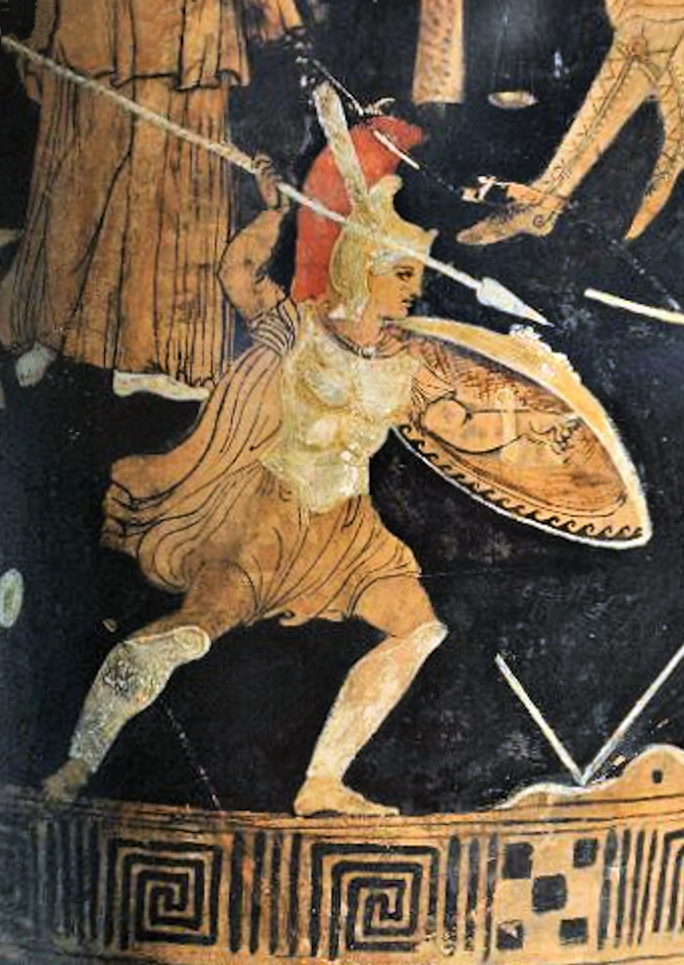
The Iliad stands as the foundational masterpiece of Western literature, an epic poem that has shaped literary tradition for nearly three millennia whilst continuing to speak to contemporary readers about the fundamental experiences of war, loss, honour, and mortality. Traditionally attributed to the blind bard Homer and composed in the 8th century BCE, the Iliad represents the culmination of centuries of oral poetry tradition whilst establishing artistic and thematic patterns that continue to influence literature, philosophy, and cultural understanding today.
Introduction
This monumental work, comprising 15,693 lines of dactylic hexameter verse divided into twenty-four books, focuses on a brief but crucial period during the ten-year siege of Troy, specifically the consequences of Achilles' wrath and its impact on both Greek and Trojan forces. Far from being merely a war story, the Iliad explores profound questions about human nature, divine justice, heroic values, and the tragic dimension of mortal existence with psychological sophistication and artistic excellence that remain unmatched in epic literature.
The poem's enduring power derives from its combination of grand narrative scope with intimate character study, its masterful integration of human and divine action, and its unflinching examination of war's costs alongside its celebration of heroic excellence. The Iliad has influenced virtually every subsequent work of Western literature whilst providing a cultural touchstone that has shaped European understanding of heroism, honour, and the human condition for over two and a half millennia.
Historical Context and Timeline
- c. 1250-1200 BCE: Probable historical period of Trojan War (if historical)
- c. 750-700 BCE: Composition and consolidation of the Iliad
- 6th century BCE: Establishment of authoritative Athenian text
- 3rd century BCE: Alexandrian scholarly editions and commentaries
- Medieval period: Preservation in Byzantine manuscripts
- Renaissance: Rediscovery and translation into vernacular languages
Historical and Literary Background
The Homeric Question
The authorship and composition of the Iliad have generated extensive scholarly debate known as the "Homeric Question," which encompasses questions about whether Homer existed as a historical individual, whether one poet or multiple bards composed the epic, and how oral tradition influenced the final written text. Modern scholarship generally accepts that the Iliad represents the culmination of a long oral tradition that was eventually fixed in written form during the 8th century BCE.
Archaeological evidence suggests that the Troy described in the Iliad may correspond to the Bronze Age city of Troy VIIa, destroyed around 1200 BCE, though the poem's composition occurred centuries later during the Greek Dark Age and early Archaic period. This temporal gap allowed the poet(s) to combine dim historical memories with contemporary cultural values and literary techniques, creating a work that transcends specific historical circumstances whilst maintaining cultural authenticity.
Oral Poetry Tradition
The Iliad emerged from a sophisticated tradition of oral poetry performed by professional bards who memorised and transmitted vast repertoires of stories, formulaic phrases, and metrical patterns. This oral background explains many of the poem's characteristics, including its use of repeated epithets, formulaic expressions, and ring composition, which served both mnemonic and aesthetic functions in oral performance.
The transition from oral to written composition allowed for greater narrative complexity and artistic refinement whilst preserving the musical qualities and traditional elements that gave the poetry its cultural authority and emotional power. The Iliad thus represents both the culmination of oral tradition and the beginning of written literary culture in ancient Greece.
Cultural and Religious Context
The world of the Iliad reflects aristocratic warrior culture of the Greek Dark Age and early Archaic period, emphasising personal honour, martial excellence, and heroic achievement as the highest human values. This cultural context shaped the poem's treatment of warfare, social hierarchy, and divine-human relationships whilst providing the ethical framework within which the epic's conflicts and resolutions take place.
The religious dimension of the Iliad reflects early Greek polytheism, where gods actively intervene in human affairs whilst remaining subject to fate and bound by cosmic justice. This theological framework allows the poet to explore questions about divine justice, human responsibility, and the relationship between individual choice and cosmic order that remain central to Western literary and philosophical tradition.
Plot Structure and Narrative Organisation
The Unity of Action
Despite its length and complexity, the Iliad maintains remarkable unity of action by focusing on the consequences of Achilles' wrath (menis) rather than attempting to narrate the entire Trojan War. The epic begins with Achilles' quarrel with Agamemnon over the captive woman Briseis and follows the catastrophic results of the hero's withdrawal from battle through to his eventual return and reconciliation with Priam.
This focused narrative structure allows Homer to explore the psychology of anger, pride, and grief with unprecedented depth whilst demonstrating how personal conflicts can have far-reaching consequences for entire communities. The poem's unity derives not from chronological completeness but from thematic coherence and emotional progression that builds toward the climactic encounter between Achilles and Hector and its aftermath.
Narrative Techniques
Homer employs sophisticated narrative techniques that became fundamental to subsequent epic poetry, including in medias res opening, extended similes, dramatic speeches, and carefully orchestrated scenes that combine action with character revelation. The poet's omniscient narrative perspective allows access to both human and divine consciousness whilst maintaining objective distance that enhances the tragic impact of events.
The Iliad's use of foreshadowing, parallel episodes, and ring composition creates complex patterns of meaning that reward careful reading whilst maintaining the forward momentum necessary for oral performance. These narrative techniques demonstrate the poet's mastery of both traditional oral elements and innovative literary artistry that transcends mere storytelling to achieve lasting artistic significance.
The Twenty-Four Book Structure
The division of the Iliad into twenty-four books, corresponding to the letters of the Greek alphabet, was likely a later editorial decision by Alexandrian scholars, though it reflects the poem's natural episodic structure and thematic development. Each book generally focuses on a particular day's events or thematic concern whilst contributing to the overall narrative progression and character development.
This structure allows for both comprehensive scope and detailed focus, enabling Homer to explore multiple perspectives on the central conflict whilst maintaining narrative coherence and thematic unity. The book divisions also facilitate the poem's educational and performance functions, providing natural stopping points for reading or recitation whilst preserving the epic's monumental scale.
Major Narrative Movements
- The IliadBooks 1-4: The quarrel and its immediate consequences
- Books 5-8: Great battles without Achilles
- Books 9-16: Failed diplomacy and Patroclus's death
- Books 17-22: Achilles' return and Hector's death
- Books 23-24: Funeral games and reconciliation
Major Characters and Character Development
Achilles: The Tragic Hero
Achilles, the poem's central figure, represents the archetypal tragic hero whose exceptional abilities and noble nature are inextricably linked to fatal flaws that ensure his destruction. Born of the sea-goddess Thetis and the mortal Peleus, Achilles embodies the tension between divine and human nature whilst facing the choice between long life in obscurity or glorious death in youth.
The character of Achilles evolves throughout the epic from a proud and impetuous warrior to a mature hero who understands the tragic nature of human existence. His journey from rage through grief to final acceptance and compassion provides the emotional and moral centre of the poem whilst exploring fundamental questions about honour, friendship, mortality, and the price of greatness.
Hector: The Doomed Defender
Hector, the greatest of Trojan warriors and defender of his city, represents an alternative model of heroism based on duty, family love, and civic responsibility rather than personal glory. As both warrior and family man, Hector embodies the tension between public obligation and private affection whilst facing the impossible task of defending Troy against superior forces.
Hector's characterisation provides moral complexity to the poem by presenting the Trojan perspective with sympathy and dignity, avoiding simple identification of Greeks as heroes and Trojans as villains. His relationship with his wife Andromache and infant son Astyanax provides some of the epic's most poignant moments whilst emphasising the human cost of heroic warfare.
Priam: The Suffering King
Priam, the aged king of Troy, represents the wisdom and vulnerability that come with advanced age and long experience of loss. His transformation from proud monarch to grieving father seeking his son's body demonstrates the humanising power of suffering whilst providing the moral climax of the epic through his encounter with Achilles.
The character of Priam embodies the theme of common humanity that transcends national and cultural boundaries, showing how shared suffering can create understanding and compassion even between enemies. His courage in approaching Achilles represents a different kind of heroism based on love rather than martial prowess.
Agamemnon: The Flawed Leader
Agamemnon, commander of the Greek forces, represents the problems of leadership in a warrior culture where personal honour conflicts with collective responsibility. His arrogant treatment of Achilles initiates the epic's central conflict whilst his subsequent attempts at reconciliation reveal both the necessity and difficulty of political compromise.
Through Agamemnon's character, Homer explores the tension between individual pride and political effectiveness, demonstrating how personal failings can have catastrophic public consequences. The king's eventual acknowledgment of his error provides important lessons about leadership, pride, and the importance of wisdom in governance.
Patroclus: The Beloved Companion
Patroclus, Achilles' dearest friend and companion, serves as the catalyst for the epic's climactic action whilst embodying ideals of loyalty, compassion, and youthful enthusiasm. His death at Hector's hands transforms Achilles' anger from personal grievance to cosmic rage whilst providing the emotional centre that drives the poem's final movement.
The relationship between Achilles and Patroclus has been interpreted in various ways throughout history, but its essential element is the deep friendship that transcends conventional social bonds. Patroclus's gentler nature provides contrast to Achilles' fierce intensity whilst his death demonstrates the tragic consequences of war for both individuals and communities.
Key Character Relationships
- Achilles & Patroclus: Friendship, love, and tragic loss
- Hector & Andromache: Duty versus domestic happiness
- Priam & Achilles: Enemies united by grief and compassion
- Agamemnon & Achilles: Authority, honour, and reconciliation
- >Paris & Helen: Love, desire, and destructive consequences
Major Themes and Motifs
Wrath and Its Consequences
The Iliad's opening line announces its central theme: "Sing, goddess, the wrath of Achilles son of Peleus." This wrath (menis) drives the entire narrative whilst exploring how anger, particularly the anger of exceptional individuals, can have catastrophic consequences for entire communities. The poem demonstrates both the destructive power of unchecked rage and the possibility of transformation through suffering and understanding.
Homer's treatment of wrath extends beyond personal psychology to encompass political and cosmic dimensions, showing how individual emotions can disrupt social order whilst requiring divine intervention and human wisdom to restore balance. The eventual cooling of Achilles' wrath provides both resolution and moral instruction about the importance of compassion and reconciliation.
Honour and Glory (Kleos)
The pursuit of honour and lasting glory (kleos) motivates most of the epic's heroic actions whilst creating the ethical framework within which characters make their crucial choices. Heroes seek immortal reputation through great deeds, particularly in warfare, accepting death as the price for lasting fame that will preserve their memory for future generations.
The poem explores both the nobility and limitations of the heroic code, showing how the pursuit of glory can inspire magnificent achievements whilst leading to unnecessary violence and tragic loss. The tension between individual honour and collective good provides moral complexity that prevents simple endorsement of heroic values.
Mortality and the Human Condition
The Iliad's profound meditation on mortality runs throughout the epic, emphasising the brevity and fragility of human life in contrast to divine immortality. The constant presence of death gives urgency and poignancy to human action whilst raising fundamental questions about the meaning and value of mortal existence in the face of inevitable destruction.
Homer uses the contrast between divine and human nature to illuminate what makes human life precious despite its transience. The gods' immortality paradoxically makes them less significant than mortals, whose brief lives gain intensity and meaning precisely because they must end. This theme reaches its culmination in the meeting between Priam and Achilles, where shared mortality creates mutual understanding and compassion.
War and Its Consequences
The Iliad presents the most comprehensive and psychologically accurate depiction of warfare in ancient literature, exploring both the glory and horror of battle whilst examining war's impact on individuals, families, and communities. Homer neither glorifies nor condemns warfare absolutely, instead presenting it as a complex phenomenon that brings out both the best and worst in human nature.
The poem's treatment of war includes detailed battle scenes that emphasise both heroic achievement and tragic loss, showing how warfare creates opportunities for greatness whilst destroying lives and communities. The epic's balanced perspective recognises war's role in heroic culture whilst acknowledging its terrible costs for all participants.
Divine Justice and Human Agency
The relationship between divine will and human choice provides philosophical depth to the epic's exploration of justice, responsibility, and moral order. The gods actively intervene in human affairs whilst remaining subject to fate, creating complex questions about free will, moral responsibility, and cosmic justice that influenced subsequent religious and philosophical thinking.
Homer's treatment of divine justice shows both gods and humans operating within larger patterns of cosmic order whilst maintaining responsibility for their individual choices. This theological framework allows exploration of moral complexity without reducing human action to simple divine manipulation or absolute human autonomy.
Central Thematic Patterns
- Individual vs. Community: Personal honour conflicting with collective good
- Youth vs. Age: Heroic vigour contrasted with wisdom and experience
- Greek vs. Trojan: Cultural differences within shared humanity
- War vs. Peace: Destructive conflict versus domestic harmony
- Mortal vs. Divine: Human limitation and divine power
Literary Techniques and Artistic Excellence
Epic Similes
Homer's extended similes represent one of the epic's most distinctive and influential literary techniques, providing elaborate comparisons that illuminate action, character, and theme whilst creating aesthetic pleasure through their intricate development and vivid imagery. These similes often draw from everyday life—farming, hunting, natural phenomena—to make heroic action accessible whilst emphasising its extraordinary nature.
The epic similes serve multiple functions beyond mere decoration, providing psychological insight, thematic commentary, and emotional relief from the intensity of battle scenes. They also create connections between the heroic world and contemporary experience, making the epic's events relevant to its audience whilst demonstrating the poet's observational skills and artistic sophistication.
Formulaic Language and Epithets
The Iliad's use of formulaic language and repeated epithets reflects its oral origins whilst creating artistic effects that enhance characterisation and thematic development. Phrases like "swift-footed Achilles," "Hector of the flashing helmet," and "rosy-fingered Dawn" provide rhythmic regularity whilst establishing character traits and atmospheric effects that accumulate meaning throughout the epic.
This formulaic system demonstrates how traditional elements can serve innovative artistic purposes, providing both structural stability and creative flexibility. The skillful variation of traditional formulas shows Homer's mastery of inherited techniques whilst creating new possibilities for epic expression.
Ring Composition and Structural Patterns
Homer employs ring composition and other structural patterns that create aesthetic satisfaction whilst enhancing thematic coherence and emotional impact. These techniques, which involve returning to opening themes or images at the conclusion of episodes or the entire work, provide closure whilst emphasising important concepts and relationships.
The sophisticated use of structural patterns demonstrates the poet's conscious artistry whilst serving the practical needs of oral performance. These techniques help audiences follow complex narratives whilst creating aesthetic pleasure through their satisfying symmetries and meaningful repetitions.
Characterisation Through Speech
Homer achieves remarkable characterisation through the distinctive speech patterns, rhetorical strategies, and emotional expressions of different characters. Each major figure speaks in a manner appropriate to their personality, social position, and emotional state, whilst their speeches reveal psychological depth and moral complexity that transcends simple heroic stereotypes.
The epic's dramatic speeches provide opportunities for psychological exploration, moral reflection, and philosophical inquiry whilst advancing the plot and revealing character relationships. This technique demonstrates how epic poetry could combine narrative scope with dramatic intensity whilst maintaining artistic unity and thematic coherence.
Homer's Literary Innovations
- In Medias Res Opening: Beginning in the middle of action
- Extended Similes: Elaborate comparisons for artistic and thematic effect
- Divine Machinery: Gods as narrative agents and symbolic forces
- Multiple Perspectives: Sympathetic portrayal of both sides in conflict
- Psychological Realism: Complex characterisation and emotional truth
The Role of the Gods
Divine Intervention and Human Action
The gods in the Iliad actively participate in human affairs whilst representing cosmic forces and moral principles that transcend individual human understanding. Their interventions both help and hinder mortal characters whilst serving narrative functions that advance the plot and illuminate thematic concerns about justice, fate, and the relationship between divine and human will.
Homer's treatment of divine action balances supernatural intervention with human agency, showing how gods can influence events without eliminating human responsibility for choices and consequences. This theological sophistication allows exploration of complex moral questions whilst maintaining the narrative excitement of divine participation in human affairs.
Zeus and Cosmic Order
Zeus, as king of the gods, represents ultimate cosmic authority whilst remaining subject to fate and bound by justice. His role in the epic demonstrates both divine power and divine limitation, showing how even supreme authority must operate within larger patterns of cosmic order and moral law.
The character of Zeus embodies the tension between personal will and impersonal justice that runs throughout the epic, whilst his relationship with other gods mirrors human political and family dynamics. His eventual enforcement of cosmic justice provides resolution whilst emphasising the importance of moral order in both divine and human affairs.
Athena, Apollo, and Divine Partisanship
The partisan involvement of gods like Athena (supporting the Greeks) and Apollo (supporting the Trojans) reflects human tribal loyalties whilst raising questions about divine justice and moral objectivity. These divine allegiances create dramatic tension whilst exploring whether moral principles transcend cultural and political boundaries.
The competing loyalties of different gods mirror human conflicts whilst suggesting that divine nature shares some of the passionate involvement that characterises mortal existence. This parallelism between divine and human behaviour creates both comic and serious effects whilst maintaining the epic's exploration of moral complexity.
Fate and Divine Limitation
The concept of fate (moira) in the Iliad represents a cosmic principle that limits even divine power whilst ensuring ultimate justice and moral order. Gods cannot alter fundamental patterns of destiny, particularly death, which gives weight to human choices whilst providing assurance that cosmic justice will ultimately prevail.
This theological framework creates dramatic tension whilst providing moral comfort, showing that even the most powerful beings cannot escape cosmic law whilst human actions retain significance within larger patterns of meaning and justice.
Key Episodes and Scenes
The Quarrel Between Achilles and Agamemnon (Book 1)
The epic's opening episode establishes its central conflict whilst demonstrating how personal pride and political miscalculation can have catastrophic consequences. Agamemnon's seizure of Achilles' prize, the captive woman Briseis, represents not merely personal insult but violation of heroic honour codes that govern warrior society.
This scene establishes the character traits and moral positions that will drive the subsequent narrative whilst introducing themes of honour, authority, and justice that resonate throughout the epic. The quarrel also demonstrates how individual conflicts can escalate into community disasters, setting the pattern for the epic's exploration of personal and political responsibility.
Hector and Andromache (Book 6)
The tender scene between Hector and his wife Andromache provides emotional relief from battle whilst exploring the human cost of heroic warfare. Their conversation reveals Hector's awareness that Troy will fall and his family will suffer, yet his commitment to honour and duty prevents him from avoiding his fate.
This episode demonstrates Homer's ability to create intimate moments within an epic framework whilst illuminating character psychology and moral complexity. The scene's poignancy derives from the contrast between domestic love and military necessity, showing how war destroys the very values it claims to protect.
The Embassy to Achilles (Book 9)
The failed embassy to Achilles demonstrates the limitations of political solutions to problems created by wounded honour and passionate commitment. Despite generous offers of compensation, Achilles refuses reconciliation because material rewards cannot restore what has been lost or address the deeper questions raised by his conflict with Agamemnon.
This episode explores the relationship between honour and practical politics whilst revealing Achilles' growing awareness of mortality and the futility of conventional heroic values. The embassy's failure sets the stage for the tragic events that will finally move Achilles to action.
The Death of Patroclus (Book 16)
Patroclus's death at Hector's hands provides the emotional climax that transforms Achilles' anger from personal grievance to cosmic rage. This episode demonstrates how love and friendship can motivate heroic action more powerfully than mere pursuit of glory whilst showing the tragic consequences of war for both individuals and communities.
The death scene combines narrative excitement with profound emotional impact, showing Homer's ability to create moments that are both dramatically effective and psychologically true. Patroclus's death also provides the catalyst for Achilles' return to battle and the epic's final movement toward resolution.
The Combat Between Achilles and Hector (Book 22)
The climactic duel between Achilles and Hector represents the epic's most dramatic confrontation whilst exploring themes of fate, courage, and the costs of heroic greatness. Hector's death eliminates Troy's greatest defender whilst satisfying Achilles' need for revenge, but it also demonstrates the tragic nature of heroic achievement.
This episode combines supreme narrative excitement with moral complexity, showing how justice and revenge can coincide whilst creating new sources of suffering and conflict. The combat scene demonstrates Homer's ability to create action sequences that are both thrilling and meaningful.
Priam's Ransom of Hector (Book 24)
The epic's concluding episode, where Priam begs Achilles for Hector's body, provides resolution through mutual recognition of shared humanity and common suffering. This scene transforms the epic from a story of wrath and revenge into a meditation on compassion, mortality, and the possibilities for human understanding across cultural and personal boundaries.
The meeting between Priam and Achilles represents the moral climax of the epic, demonstrating how grief can create empathy whilst showing that even the bitterest enemies can find common ground in their shared mortality. This resolution provides both emotional satisfaction and moral instruction about the importance of compassion and reconciliation.
"Sing, goddess, the wrath of Achilles son of Peleus, that brought countless ills upon the Achaeans. Many brave souls it hurled to Hades, and made them prey to dogs and birds of every kind." - Opening lines of the Iliad
Language and Poetic Technique
Dactylic Hexameter
The Iliad is composed in dactylic hexameter, the traditional metre of epic poetry, which creates a stately and dignified rhythm appropriate to heroic subject matter whilst allowing for considerable variation and expressive flexibility. This metre, consisting of six metrical feet combining long and short syllables, provides both structural regularity and artistic sophistication.
Homer's mastery of dactylic hexameter demonstrates exceptional technical skill whilst serving the poem's aesthetic and practical functions. The metre facilitates memorisation for oral performance whilst creating rhythmic effects that enhance emotional impact and artistic pleasure.
Homeric Greek and Linguistic Innovation
The language of the Iliad combines elements from different Greek dialects and historical periods, creating an artificial poetic language that transcends regional and temporal boundaries whilst maintaining cultural authenticity and aesthetic excellence. This linguistic mixture reflects the epic's emergence from long oral tradition whilst demonstrating conscious artistic choice.
Homeric Greek demonstrates remarkable expressive range, combining technical precision with emotional intensity whilst maintaining the dignity appropriate to epic poetry. The language's combination of traditional elements with innovative usage established lasting standards for poetic expression that influenced all subsequent Greek and Roman poetry.
Syntax and Poetic Grammar
Homer's syntax demonstrates sophisticated understanding of Greek grammar whilst employing poetic licence that serves both metrical and expressive purposes. Complex sentence structures, elaborate participial constructions, and flexible word order create rhythmic variety whilst allowing for precise expression of complex ideas and emotions.
The epic's grammatical sophistication demonstrates that oral poetry could achieve intellectual and artistic complexity equal to written literature whilst maintaining the musical qualities and traditional authority that characterised oral performance.
Cultural and Historical Significance
The Foundation of Western Literature
The Iliad established fundamental patterns for Western literary tradition, providing models for epic poetry, tragic drama, and narrative fiction that continue to influence contemporary literature. Its combination of mythological subject matter with psychological realism created possibilities for serious literature that addresses universal human concerns whilst maintaining artistic excellence.
The epic's influence extends beyond mere literary technique to encompass fundamental approaches to characterisation, thematic development, and moral exploration that became central to European cultural tradition. The Iliad's demonstration that literature could combine entertainment with instruction established lasting justifications for artistic creation and cultural preservation.
Educational and Cultural Formation
Throughout antiquity, the Iliad served as the foundation of Greek and Roman education, providing both technical instruction in language and poetry and moral guidance through its exemplary characters and situations. The epic's role in cultural formation established patterns for the relationship between literature and education that influenced European pedagogical practice for centuries.
The poem's educational function demonstrated literature's capacity for cultural transmission whilst providing shared reference points for educated discourse and social cohesion. This cultural role validated artistic achievement whilst ensuring the preservation and transmission of cultural values across generations.
Influence on Philosophy and Ethics
The Iliad's exploration of fundamental questions about justice, honour, mortality, and human nature influenced subsequent philosophical thinking whilst providing literary examples that philosophers used to illustrate ethical and metaphysical principles. The epic's moral complexity encouraged analytical thinking about virtue, responsibility, and the human condition.
Philosophical engagement with the Iliad, from Plato's critique of Homeric theology to Aristotle's analysis of epic structure, demonstrated literature's capacity for raising serious intellectual questions whilst contributing to the development of systematic ethical and aesthetic theory.
Reception and Interpretation
Ancient Reception
The Iliad was immediately recognised as a masterpiece in ancient Greece, serving as the foundation text for education and cultural identity whilst inspiring countless imitations and adaptations. Ancient critics praised both its artistic excellence and moral instruction, though some philosophers questioned its theological and ethical implications.
Roman reception of the Iliad combined admiration for its artistic achievement with adaptation to Roman cultural values, resulting in works like Virgil's Aeneid that both imitated and transformed Homeric models. This pattern of respectful adaptation established lasting approaches to engaging with classical literature whilst maintaining cultural relevance.
Medieval and Renaissance Interpretation
Medieval interpretation of the Iliad was limited by lack of direct access to Greek texts, though the epic's influence continued through Latin adaptations and allegorical interpretations that made pagan literature acceptable to Christian culture. The Renaissance recovery of Greek texts enabled direct engagement with Homer's poetry whilst inspiring new translations and critical studies.
Renaissance humanists recognised the Iliad's fundamental importance to European cultural tradition whilst developing new approaches to textual criticism and literary analysis that enhanced understanding of the epic's artistic achievement and cultural significance.
Modern Critical Approaches
Modern criticism has approached the Iliad from various theoretical perspectives, including psychological analysis, anthropological study, feminist interpretation, and postcolonial critique, each revealing different aspects of the epic's complexity whilst contributing to contemporary understanding of its enduring significance.
Contemporary scholarship combines appreciation for the epic's artistic excellence with critical awareness of its cultural assumptions, creating more nuanced interpretations that maintain respect for classical achievement whilst addressing modern concerns about representation, authority, and cultural difference.
Major Areas of Influence
- Epic Poetry: Models for Virgil, Dante, Milton, and subsequent epic writers
- Tragic Drama: Character types and moral conflicts for Greek and later tragedy
- Historical Writing: Narrative techniques and character analysis
- Philosophy: Examples and problems for ethical and aesthetic theory
- Education: Foundation text for linguistic and moral instruction
Comparative Analysis with The Odyssey
Thematic Differences
Whilst the Iliad focuses on war, wrath, and mortality, its companion epic the Odyssey explores themes of journey, homecoming, and survival, creating complementary perspectives on heroic experience that together encompass the full range of classical Greek values and concerns. The two epics' different emphases demonstrate the breadth of Homeric vision whilst providing contrasting models for heroic behaviour.
The Iliad's concentration on a brief but crucial period contrasts with the Odyssey's extended narrative spanning ten years, whilst the Iliad's tragic vision of heroic achievement balances the Odyssey's more optimistic celebration of cleverness and adaptability. Together, the epics provide comprehensive exploration of Greek cultural values whilst maintaining distinct artistic identities.
Structural and Stylistic Contrasts
The Iliad's relatively straightforward chronological structure contrasts with the Odyssey's complex narrative organisation involving flashbacks, parallel plots, and multiple perspectives, demonstrating different approaches to epic storytelling whilst maintaining similar standards of artistic excellence and thematic sophistication.
Stylistic differences between the epics reflect their different subject matters and thematic concerns, with the Iliad's more formal and elevated style appropriate to its tragic subject matter contrasting with the Odyssey's more varied and adventurous tone suitable for its themes of exploration and discovery.
Archaeological and Historical Evidence
Troy and Bronze Age Context
Archaeological excavations at Hisarlik in Turkey, identified as the site of ancient Troy, have revealed evidence of Bronze Age destruction levels that may correspond to the historical events underlying the Iliad's narrative, though the relationship between archaeological evidence and literary tradition remains complex and debated.
The Bronze Age context revealed by archaeology provides important background for understanding the material culture described in the epic whilst raising questions about historical memory and literary creativity in oral tradition. This evidence enhances appreciation for the epic's cultural authenticity whilst maintaining appropriate scholarly caution about its historical accuracy.
Mycenaean Civilisation and Epic Memory
The Mycenaean civilisation that flourished in Greece during the Bronze Age provides the cultural background for many elements described in the Iliad, including political organisation, material culture, and military technology, though the epic also reflects later cultural developments from the time of its composition.
This temporal layering demonstrates how oral tradition could preserve authentic cultural memory whilst adapting to contemporary concerns and values, creating literary works that combine historical authenticity with artistic relevance to their immediate audiences.
Translation and Textual History
Manuscript Tradition
The Iliad has been preserved through an extensive manuscript tradition spanning over two millennia, from ancient papyri to medieval Byzantine codices, demonstrating the continuous importance placed on preserving and transmitting this fundamental text of Western culture.
Textual scholarship has revealed how the epic's text has been transmitted and occasionally modified throughout history, whilst establishing reliable editions that enable contemporary readers to engage with Homer's poetry in forms that approximate the original composition.
Translation Challenges and Achievements
Translation of the Iliad presents unique challenges due to its complex metre, formulaic language, and cultural specificity, yet successful translations from Chapman and Dryden to Lattimore and Fagles have made the epic accessible to readers unfamiliar with ancient Greek whilst maintaining significant portions of its artistic and intellectual impact.
The history of Iliad translation reflects changing literary tastes and translation theories whilst demonstrating the epic's continuing relevance to different cultural contexts and historical periods. Each major translation contributes to ongoing interpretation of the epic whilst making its insights available to new generations of readers.
Contemporary Relevance
War and Its Consequences
The Iliad's unflinching examination of warfare's psychological, social, and moral consequences remains urgently relevant in contemporary discussions about military conflict, veteran experience, and the relationship between individual honour and collective responsibility. The epic's balanced perspective on war's glory and horror provides frameworks for understanding modern conflicts without simple condemnation or glorification.
Contemporary readers find in the Iliad sophisticated analysis of trauma, grief, leadership, and moral conflict that speaks to current concerns whilst maintaining historical perspective on enduring human challenges. The epic's psychological realism enables meaningful engagement with ancient insights about experiences that remain fundamentally unchanged despite technological and social transformation.
Leadership and Political Responsibility
The epic's exploration of leadership challenges, political conflict, and the tension between personal interest and public good remains relevant to contemporary political discourse whilst providing historical perspective on enduring problems of governance and authority. Characters like Agamemnon and Hector offer contrasting models for understanding political responsibility and moral leadership.
The Iliad's analysis of how personal conflicts can escalate into public disasters provides insight into contemporary political and social conflicts whilst demonstrating the importance of wisdom, compromise, and mutual respect in maintaining social cohesion and effective governance.
Mortality and Human Meaning
The epic's profound meditation on mortality and the search for meaning in the face of death continues to speak to contemporary readers confronting similar existential challenges, whilst its exploration of how great art can preserve human achievement provides validation for continued engagement with cultural tradition and artistic creation.
The Iliad's demonstration that human life gains meaning through noble action, compassionate relationships, and artistic creation offers alternatives to purely materialistic or cynical approaches to human existence whilst maintaining realistic awareness of life's limitations and tragic dimensions.
Conclusion
The Iliad stands as the foundational masterpiece of Western literature, a work that has shaped literary tradition, cultural values, and intellectual discourse for nearly three millennia whilst continuing to reward contemporary readers with its artistic excellence, psychological insight, and moral complexity. Homer's epic demonstrates literature's capacity to combine entertainment with instruction, local cultural specificity with universal human relevance, and artistic beauty with intellectual depth.
The epic's exploration of fundamental themes—wrath and reconciliation, honour and mortality, individual excellence and collective responsibility, human agency and cosmic order—addresses questions that remain central to human experience whilst providing artistic models that continue to influence literary creation and cultural understanding. The Iliad's characters, from the complex heroism of Achilles to the dignified suffering of Priam, provide lasting examples for understanding human nature and moral choice.
The artistic achievement of the Iliad, evident in its sophisticated narrative structure, psychological characterisation, linguistic excellence, and thematic coherence, established standards for literary greatness that continue to influence writers and readers throughout the world. The epic's demonstration that ancient insights remain relevant to contemporary experience validates the importance of cultural tradition whilst encouraging continued engagement with humanity's greatest artistic achievements.
"As are the generations of leaves, so are the generations of men." - Homer's meditation on human mortality
The Iliad's influence on subsequent literature, from Virgil's Aeneid to Joyce's Ulysses, demonstrates both the epic's fundamental importance to European cultural tradition and its continuing capacity to inspire artistic innovation and intellectual exploration. This influence validates Homer's achievement whilst showing how great literature transcends its original context to address universal human concerns.
Perhaps most importantly, the Iliad provides lasting testimony to the power of great art to preserve and transmit human wisdom, demonstrating how poetic excellence can make ancient insights accessible to contemporary readers whilst maintaining their emotional impact and intellectual significance. The epic's combination of aesthetic beauty with moral instruction offers a model for understanding literature's highest purposes and greatest achievements.
In our contemporary world, where rapid technological change and cultural fragmentation challenge traditional sources of meaning and value, the Iliad's demonstration that great literature can provide both aesthetic pleasure and moral guidance remains urgently relevant. The epic's exploration of timeless human concerns through beautiful and memorable expression offers resources for understanding ourselves and our world whilst maintaining connection to the cultural traditions that have shaped Western civilisation.
The enduring appeal of the Iliad testifies to the fundamental human need for stories that combine truthfulness about life's difficulties with hope for human nobility and achievement. Homer's epic provides both honest acknowledgment of human limitations and inspiring examples of human excellence, creating a work that educates whilst it entertains and ennobles whilst it instructs, demonstrating literature's unique capacity to address the full complexity of human experience through the transformative power of artistic excellence.