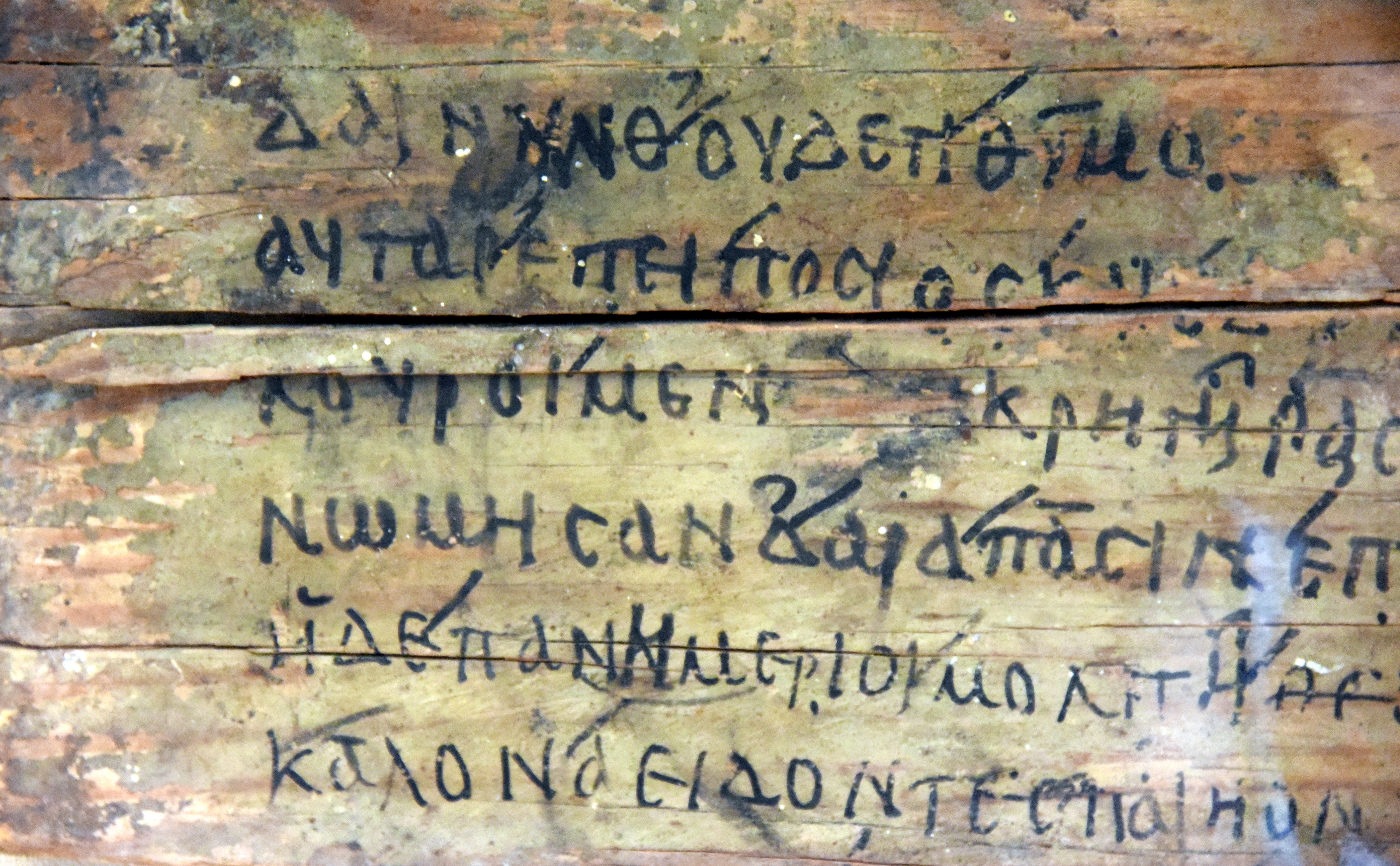
Linear A and Linear B, the earliest known forms of written Greek, emerged during the Bronze Age (c. 1600-1100 BCE) as part of a sophisticated administrative system used by the Minoan and Mycenaean civilizations. These scripts, primarily used for record-keeping and economic transactions, represent the initial stages of Greek literacy and provide valuable insights into the early development of Greek language and culture. Although Linear A remains undeciphered, Linear B was deciphered in the 1950s, revealing that it was an early form of Greek used by the Mycenaeans to document their complex society.
Introduction
Ancient Greek literature represents one of humanity's greatest cultural achievements, establishing the fundamental forms, themes, and artistic standards that continue to influence Western literature today. From the epic grandeur of Homer's Iliad and Odyssey to the philosophical dialogues of Plato and the historical narratives of Herodotus and Thucydides, Greek literature created the literary genres and artistic conventions that shaped subsequent European and world literature.
The extraordinary diversity and sophistication of Greek literary achievement encompassed epic poetry, lyric verse, dramatic tragedy and comedy, historical writing, philosophical discourse, and oratory. These works not only entertained and educated their original audiences but established lasting models for artistic excellence whilst exploring fundamental questions about human nature, divine justice, political power, and the meaning of existence.
Greek literature emerged from a rich oral tradition that preserved and transmitted cultural memory through song and storytelling, gradually developing into written forms that combined aesthetic sophistication with intellectual depth. The transition from oral to written culture enabled the preservation and refinement of literary works that continue to reward study and appreciation more than two millennia after their composition.
Periods of Ancient Greek Literature
- Archaic Period (8th-6th centuries BCE): Epic poetry, early lyric, and pre-dramatic forms
- Classical Period (5th-4th centuries BCE): Drama, history, oratory, and philosophy
- Hellenistic Period (3rd-1st centuries BCE): Scholarship, pastoral poetry, and new comedy
- Greco-Roman Period (1st-6th centuries CE): Romance, biography, and literary criticism
The Oral Tradition and Epic Foundation
The Emergence of Greek Literature
Greek literature originated in the oral tradition of bards and storytellers who preserved cultural memory through songs and narratives passed down through generations. These oral poems, accompanied by musical instruments, served both entertainment and educational functions, transmitting cultural values, historical memory, and religious beliefs whilst providing aesthetic pleasure through skilled performance.
The transition from oral to written literature occurred gradually during the 8th and 7th centuries BCE, coinciding with the Greek adoption of the Phoenician alphabet and the development of written culture. This transformation enabled the preservation and refinement of oral traditions whilst allowing for greater complexity and artistic sophistication in literary composition.
Homer: The Foundation of Western Literature
Homer, traditionally regarded as the author of the Iliad and Odyssey, stands at the beginning of Western literature as its first and perhaps greatest master. These epic poems, composed in the 8th century BCE, established the heroic tradition whilst demonstrating literary techniques and artistic sophistication that continue to influence writers today.
The question of Homer's historical existence and authorship of the epics, known as the "Homeric Question," has generated extensive scholarly debate. Whether composed by a single poet or emerging from a tradition of oral poetry, the Homeric epics represent the culmination of centuries of artistic development whilst establishing lasting standards for narrative excellence.
The Iliad: War and Heroic Honour
The Iliad recounts the final year of the ten-year siege of Troy, focusing on the wrath of Achilles and its consequences for both Greeks and Trojans. This epic explores themes of honour, mortality, divine intervention, and the human cost of war through the lens of heroic warfare, creating complex characters whose motivations and conflicts transcend their historical setting.
The poem's artistic achievement lies in its combination of grand narrative scope with intimate psychological insight, its sophisticated use of similes and epithets, and its exploration of fundamental human emotions and ethical dilemmas. The Iliad established the epic genre whilst creating memorable characters like Achilles, Hector, and Priam who embody different aspects of heroic excellence and human vulnerability.
The Odyssey: Journey and Transformation
The Odyssey follows Odysseus's ten-year journey home from Troy, combining adventure narrative with exploration of themes including loyalty, identity, hospitality, and the relationship between cunning and wisdom. This epic established the journey narrative as a fundamental literary pattern whilst creating one of literature's most memorable protagonists.
The Odyssey's sophisticated narrative structure, with its flashbacks, parallel plots, and careful pacing, demonstrated possibilities for complex storytelling that influenced subsequent literature. The poem's exploration of the tension between wandering and homecoming, adventure and stability, has provided a lasting framework for understanding human restlessness and belonging.
Homer's Epic of War, Honour, and Human Mortality (8th Century BCE)
The Iliad stands as the foundational masterpiece of Western literature, an epic poem that has shaped literary tradition for nearly three millennia whilst continuing to speak to contemporary readers about the fundamental experiences of war, loss, honour, and mortality. Traditionally attributed to the blind bard Homer and composed in the 8th century BCE, the Iliad represents the culmination of centuries of oral poetry tradition whilst establishing artistic and thematic patterns that continue to influence literature, philosophy, and cultural understanding today.
This monumental work, comprising 15,693 lines of dactylic hexameter verse divided into twenty-four books, focuses on a brief but crucial period during the ten-year siege of Troy, specifically the consequences of Achilles' wrath and its impact on both Greek and Trojan forces. Far from being merely a war story, the Iliad explores profound questions about human nature, divine justice, heroic values, and the tragic dimension of mortal existence with psychological sophistication and artistic excellence that remain unmatched in epic literature.
Read full article...Homer's Epic of Journey, Identity, and Homecoming (8th Century BCE)
The Odyssey stands as one of the greatest adventure stories ever told, an epic poem that has captivated readers for nearly three millennia with its tale of Odysseus's ten-year journey home from the Trojan War. This magnificent work, traditionally attributed to Homer and composed in the 8th century BCE, represents the pinnacle of ancient storytelling whilst exploring profound themes of identity, loyalty, cunning, and the meaning of home that continue to resonate with contemporary audiences.
Comprising 12,110 lines of dactylic hexameter verse divided into twenty-four books, the Odyssey follows the wandering hero Odysseus as he struggles against divine wrath, supernatural obstacles, and human folly in his desperate attempt to return to his kingdom of Ithaca and reunite with his faithful wife Penelope and son Telemachus. The epic masterfully weaves together multiple narrative threads whilst creating one of literature's most complex and psychologically sophisticated protagonists.
Far more than a simple adventure tale, the Odyssey explores fundamental questions about human nature, the relationship between civilisation and wildness, the importance of wit over strength, and the transformative power of suffering and experience. The poem's enduring influence on Western literature derives from its perfect balance of exciting narrative, psychological insight, moral complexity, and artistic excellence that established lasting models for storytelling whilst addressing universal human concerns.
The Odyssey's Journey Structure
- Books 1-4: The Telemachy - Telemachus's search for his father
- Books 5-8: Odysseus with the Phaeacians - storytelling framework
- Books 9-12: Odysseus's adventures - the wanderings
- Books 13-16: Return to Ithaca - recognition and preparation
- Books 17-20: The beggar in his own home
- Books 21-24: The contest and restoration
Historical and Literary Context
Companion to the Iliad
The Odyssey serves as a thematic and artistic companion to the Iliad, exploring different aspects of heroic experience whilst demonstrating the breadth of Homeric vision and storytelling capability. Where the Iliad focuses on the tragic heroism of warfare and the pursuit of glorious death, the Odyssey celebrates survival, adaptability, and the heroism of return and renewal.
This complementary relationship demonstrates the scope of early Greek epic poetry whilst providing contrasting models for understanding heroic values and human excellence. Together, the two epics encompass the full range of heroic experience from youth to maturity, war to peace, tragic loss to comic restoration, establishing comprehensive frameworks for understanding human nature and moral choice.
Oral Tradition and Written Composition
Like the Iliad, the Odyssey emerged from a sophisticated oral tradition that preserved and transmitted stories through professional bards who performed at aristocratic gatherings and public festivals. The epic's complex narrative structure, with its flashbacks, parallel plots, and sophisticated character development, demonstrates how oral poetry could achieve remarkable artistic sophistication whilst maintaining the musical qualities and traditional elements that characterised performed verse.
The transition from oral to written composition allowed for greater narrative complexity and psychological depth whilst preserving the formulaic language and traditional themes that gave the poetry its cultural authority. The Odyssey thus represents both the culmination of oral storytelling tradition and the beginning of literary fiction that would influence narrative art throughout Western culture.
Read full article...Homeric Literary Techniques
- Epithet System: Repeated descriptive phrases (swift-footed Achilles)
- Extended Similes: Detailed comparisons that illuminate action
- Ring Composition: Circular narrative structures
- In Medias Res: Beginning in the middle of action
- Divine Machinery: Gods as narrative agents and symbols
Early Lyric Poetry
The Development of Personal Expression
Following the epic tradition, Greek literature developed lyric poetry that emphasised personal emotion, individual experience, and immediate expression rather than the grand narratives of heroic poetry. This shift from public to private themes reflected changing social conditions whilst establishing new possibilities for artistic expression and emotional exploration.
Lyric poetry was originally composed for musical accompaniment, with different metres and forms suited to different occasions and purposes. The diversity of lyric forms—from the passionate personal poetry of Sappho to the political verses of Solon—demonstrated the flexibility of poetic expression whilst establishing lasting models for emotional and intellectual poetry.
Archilochus: The Invention of Personal Poetry
Archilochus of Paros (7th century BCE) revolutionised Greek poetry by introducing personal experience and emotion as legitimate subjects for serious verse. His poems, ranging from bitter invective to tender love poetry, rejected conventional heroic values whilst exploring themes of survival, passion, and individual identity with unprecedented directness.
Archilochean poetry demonstrated that literature could address immediate personal concerns and contemporary social issues rather than mythological or heroic subjects. His satirical and critical poems established traditions of literary criticism and social commentary that would influence subsequent Greek and Roman poetry.
Sappho: The Poetess of Lesbos
Sappho (c. 630-570 BCE) created some of the most beautiful and influential lyric poetry in ancient literature, exploring themes of love, beauty, and female experience with unparalleled intensity and sophistication. Her poems, preserved only in fragments, demonstrate mastery of metre, imagery, and emotional expression that influenced poets throughout antiquity and continues to inspire contemporary writers.
Sappho's poetry provided rare insight into women's lives and perspectives in ancient Greece whilst establishing models for erotic and aesthetic poetry that transcended gender boundaries. Her influence on subsequent poetry, particularly in the Roman period, demonstrates the enduring appeal of her artistic achievement and emotional authenticity.
Pindar: The Master of Victory Odes
Pindar (518-438 BCE) represented the pinnacle of choral lyric poetry through his elaborate victory odes (epinicia) celebrating athletic triumphs at the great Panhellenic festivals. These complex poems combined praise of individual achievement with mythological narratives and moral reflection, creating sophisticated artistic structures that influenced later ceremonial and occasional poetry.
Pindaric poetry demonstrated how occasional verse could achieve lasting artistic value through masterful use of language, complex metaphorical structures, and integration of particular celebration with universal themes. His influence on subsequent poetry, particularly in the English tradition, established lasting models for combining public celebration with artistic sophistication.
Major Lyric Poets and Their Contributions
- Archilochus: Personal emotion and satirical verse
- Sappho: Love poetry and female perspective
- Alcaeus: Political poetry and drinking songs
- Pindar: Victory odes and choral lyric
- Simonides: Elegiac poetry and memorial verse
The Birth of Drama
Origins of Greek Drama
Greek drama emerged from religious festivals honouring Dionysus, the god of wine and transformation, during the 6th century BCE in Athens. These festivals combined religious celebration with artistic competition, creating venues where poets could explore serious themes through dramatic performance whilst competing for public recognition and artistic excellence.
The development of drama represented a revolutionary expansion of literary possibilities, enabling poets to present complex narratives through character interaction, dialogue, and visual spectacle. The theatrical medium allowed exploration of psychological depth and moral complexity that exceeded the possibilities of earlier poetic forms.
Aeschylus: The Father of Tragedy
Aeschylus (525-456 BCE) established tragedy as a major dramatic form whilst developing many of the conventions that would define the genre. His innovations included the introduction of a second actor (enabling true dialogue), elaborate stage machinery, and the trilogy format that allowed exploration of extended narratives and complex themes.
The seven surviving Aeschylean tragedies demonstrate his mastery of grand themes including divine justice, family curses, and political transformation. His Oresteia trilogy remains the only complete tragic trilogy from antiquity, exploring the evolution from primitive blood vengeance to civilised justice through the story of Agamemnon's family.
Sophocles: The Master of Character
Sophocles (496-406 BCE) refined tragic drama by focusing on character development and psychological complexity whilst maintaining the genre's exploration of fundamental moral and religious questions. His innovations included the introduction of a third actor and the use of painted scenery, whilst his dramatic technique emphasised the revelation of character through crisis.
Sophoclean tragedy achieved perfect balance between fate and character, divine will and human choice, creating protagonists whose nobility and flaws generate both admiration and pity. His Oedipus Rex became the paradigm of tragic excellence whilst his Antigone explored conflicts between individual conscience and political authority that remain relevant today.
Euripides: The Philosopher of the Stage
Euripides (480-406 BCE) transformed tragedy by introducing greater psychological realism, questioning traditional religious and heroic values, and experimenting with dramatic conventions. His tragedies often featured ordinary people in extraordinary circumstances whilst exploring contemporary intellectual developments and social issues.
Euripidean drama demonstrated tragedy's capacity for social criticism and philosophical exploration whilst maintaining emotional power and dramatic effectiveness. His influence on subsequent drama, particularly through his complex female characters and psychological insight, established lasting models for realistic dramatic characterisation.
Elements of Greek Tragedy
- Unity of Action: Single, focused plot development
- Chorus: Community voice providing commentary and reflection
- Catharsis: Emotional purification through pity and fear
- Hamartia: Fatal flaw or error in judgement
- Peripeteia: Reversal of fortune
- Anagnorisis: Recognition or discovery
Comedy and Satirical Literature
Old Comedy: Aristophanes and Political Satire
Aristophanes (446-386 BCE) created Old Comedy as a vehicle for political and social criticism, combining outrageous humour with serious commentary on contemporary Athenian life. His eleven surviving plays demonstrate comedy's potential for addressing public issues through satirical exaggeration whilst providing entertainment through verbal wit and physical farce.
Aristophanic comedy featured direct personal attacks on public figures, fantastic plots, and explicit language that reflected the democratic freedom of Athenian society. His plays provide invaluable insight into 5th-century Athenian life whilst establishing satirical comedy as a legitimate form of social and political criticism.
Middle and New Comedy
Following the Old Comedy of Aristophanes, Greek comic drama evolved through Middle Comedy towards New Comedy, which focused on domestic situations, stock characters, and universal human foibles rather than specific political criticism. This evolution reflected changing political circumstances and audience preferences whilst establishing comic conventions that influenced Roman and modern comedy.
Menander (342-290 BCE) represented the pinnacle of New Comedy through his sophisticated character studies and elegant plots that explored themes of love, family relationships, and social mobility. His influence on Roman comedy through adaptations by Plautus and Terence established lasting models for comic drama that influenced European theatre.
The Development of Satirical Forms
Greek literature developed various forms of satirical writing that combined humour with serious criticism of social, political, and literary conventions. These forms, ranging from iambic poetry to prose satire, established traditions of critical literature that influenced subsequent satirical writing throughout European literature.
The satirical tradition demonstrated literature's capacity for social criticism whilst providing models for combining entertainment with serious commentary. Greek satirical techniques, including parody, exaggeration, and ironic contrast, became fundamental tools for subsequent satirical literature.
"Comedy is an imitation of men worse than the average; tragedy, of men better than the average." - Aristotle's Poetics
Historical Writing
The Invention of History
Greek literature created historical writing as a distinct genre that combined narrative artistry with systematic investigation of past events. This development represented a revolutionary approach to understanding human affairs through rational inquiry rather than mythological or religious explanation, establishing patterns of historical analysis that continue to influence scholarship today.
Greek historical writing emerged from the intersection of epic narrative tradition with the new spirit of rational inquiry that characterised 6th and 5th-century Greek intellectual life. Historical writers adapted literary techniques developed in poetry whilst developing new methods for investigating and presenting factual information.
Herodotus: The Father of History
Herodotus (c. 484-425 BCE) created the historical genre through his Histories, which investigated the causes and conduct of the Persian Wars whilst providing extensive ethnographic and geographical information about the known world. His work combined systematic inquiry with narrative artistry, establishing history as both scholarly discipline and literary form.
Herodotean history demonstrated the possibility of understanding human affairs through careful investigation and comparison whilst maintaining the entertainment value of good storytelling. His integration of diverse sources, critical evaluation of conflicting accounts, and vivid characterisation established lasting models for historical writing.
Thucydides: The Scientific Historian
Thucydides (460-400 BCE) revolutionised historical writing through his History of the Peloponnesian War, which applied rigorous analytical methods to contemporary events whilst exploring the underlying patterns of political behaviour. His work established scientific approaches to historical investigation that emphasised accuracy, objectivity, and systematic analysis.
Thucydidean history combined precise factual reporting with sophisticated political analysis, creating a model for analytical history that influenced subsequent historical writing throughout antiquity and beyond. His insights into human nature, political power, and the causes of conflict remain relevant to contemporary political analysis.
Xenophon: The Soldier-Historian
Xenophon (430-354 BCE) contributed to Greek historical writing through works that combined personal experience with historical investigation, including his Anabasis (account of the retreat of the Ten Thousand) and Hellenica (continuation of Thucydides' history). His writings demonstrated history's capacity for preserving personal experience whilst contributing to broader historical understanding.
Xenophon's historical works showed how individual participants could contribute to historical knowledge whilst maintaining narrative interest and literary quality. His influence on subsequent biographical and autobiographical writing established important models for combining personal experience with historical significance.
Characteristics of Greek Historical Writing
- Rational Inquiry: Investigation of causes rather than divine explanation
- Critical Evaluation: Assessment of sources and conflicting accounts
- Narrative Artistry: Literary techniques serving historical understanding
- Political Analysis: Exploration of power, conflict, and human motivation
- Cultural Description: Ethnographic and geographical information
Oratory and Rhetoric
The Art of Public Speaking
Greek democratic institutions, particularly in Athens, created demand for skilled public speaking that led to the development of oratory as both practical art and literary form. The need to persuade juries, assemblies, and other public bodies encouraged the systematic study of rhetorical techniques whilst producing speeches that achieved lasting literary value.
Greek oratory combined practical effectiveness with artistic sophistication, demonstrating how functional communication could achieve aesthetic excellence. The preservation of speeches by major orators provided models for effective argumentation whilst contributing to Greek literary achievement through their stylistic excellence and intellectual content.
The Sophists and Rhetorical Theory
The Sophists developed systematic approaches to rhetorical education that emphasised the power of language to shape opinion and determine practical outcomes. Their teaching methods and theoretical insights established rhetoric as a fundamental educational discipline whilst providing techniques for effective persuasion that influenced subsequent oratory and literary prose.
Sophistic rhetorical theory addressed questions about the relationship between truth and persuasion, the ethical implications of rhetorical power, and the techniques most effective for different audiences and occasions. These investigations established intellectual frameworks for understanding communication that continue to influence rhetorical theory and practice.
Demosthenes: The Prince of Orators
Demosthenes (384-322 BCE) represented the pinnacle of Greek oratory through his speeches opposing Macedonian expansion under Philip II and Alexander the Great. His Philippics demonstrated oratory's potential for political influence whilst achieving lasting literary value through their passionate conviction and rhetorical sophistication.
Demosthenean oratory combined detailed argumentation with emotional appeal, creating speeches that functioned effectively in their original political context whilst achieving lasting artistic significance. His influence on subsequent oratory, particularly in Rome, established lasting models for combining political effectiveness with literary excellence.
Isocrates: The Educational Reformer
Isocrates (436-338 BCE) developed influential theories about rhetorical education that emphasised the moral and cultural responsibilities of effective speakers. His speeches and educational writings argued that rhetoric should serve virtue and cultural improvement rather than mere persuasion, establishing idealistic standards for rhetorical practice.
Isocratean rhetorical theory influenced subsequent educational philosophy through its emphasis on cultural formation and moral development rather than technical training alone. His integration of rhetorical skill with philosophical wisdom provided models for liberal education that influenced pedagogical theory throughout antiquity.
Types of Greek Oratory
- Deliberative: Political speeches in assemblies
- Forensic: Legal speeches in courts
- Epideictic: Ceremonial speeches for special occasions
Philosophical Literature
Philosophy as Literary Art
Greek philosophical writing developed distinctive literary forms that combined rigorous intellectual investigation with artistic excellence, creating works that achieved both philosophical significance and literary permanence. The integration of philosophical content with literary artistry established lasting models for intellectual writing that continue to influence scholarly and popular communication.
Philosophical literature demonstrated that abstract thinking could achieve aesthetic satisfaction whilst serious artistic work could address fundamental questions about reality, knowledge, and value. This integration of intellectual and artistic excellence became characteristic of the best Greek cultural achievement.
Plato: The Philosopher as Artist
Plato (428-348 BCE) created the philosophical dialogue as a literary form that combined dramatic characterisation with systematic philosophical investigation. His dialogues featuring Socrates demonstrated how philosophical inquiry could achieve artistic excellence whilst exploring fundamental questions about justice, knowledge, beauty, and the nature of reality.
Platonic dialogues achieved literary distinction through their vivid characterisations, dramatic settings, and elegant prose style whilst advancing sophisticated philosophical arguments. Works like the Republic and Phaedrus combined political theory and metaphysics with memorable literary scenes that made abstract ideas accessible and engaging.
Aristotle: The Systematic Investigator
Aristotle (384-322 BCE) developed systematic approaches to philosophical investigation that influenced both the content and form of subsequent intellectual writing. His treatises on logic, ethics, politics, and literary theory established standards for rigorous analysis whilst addressing practical questions about human flourishing and social organisation.
Aristotelian philosophical literature demonstrated how systematic investigation could address complex questions through careful definition, logical analysis, and empirical observation. His Poetics provided the first systematic analysis of literary art whilst his ethical and political writings established lasting frameworks for practical philosophy.
Hellenistic Philosophical Literature
The Hellenistic period saw the development of philosophical literature that emphasised practical guidance and therapeutic approaches to life's challenges. Schools like the Epicureans and Stoics created literary forms designed to provide psychological comfort and ethical direction whilst maintaining philosophical rigor and intellectual sophistication.
Hellenistic philosophical writing demonstrated literature's capacity for providing practical wisdom and emotional support whilst addressing theoretical questions about the nature of happiness, virtue, and the cosmos. This tradition influenced subsequent self-help literature and popular philosophy whilst maintaining high standards for intellectual analysis.
Hellenistic Innovations
Alexandrian Scholarship
The establishment of the Library at Alexandria created new opportunities for literary scholarship and preservation that transformed both the creation and transmission of literature. Alexandrian scholars developed systematic approaches to textual criticism, literary analysis, and cultural preservation that established lasting models for scholarly investigation.
Alexandrian scholarship created the first comprehensive literary criticism through commentaries, editions, and analytical studies that preserved and interpreted classical texts whilst establishing intellectual frameworks for understanding literary art. This scholarly tradition influenced all subsequent literary study and textual preservation.
Pastoral Poetry: Theocritus and the Bucolic Tradition
Theocritus (3rd century BCE) created pastoral poetry as a sophisticated literary form that idealised rural life whilst exploring themes of love, poetry, and the relationship between art and nature. His Idylls established the bucolic tradition that would influence subsequent poetry throughout European literature, from Virgil to the Renaissance.
Theocritean pastoral demonstrated how apparently simple literary forms could achieve sophisticated artistic effects through careful craftsmanship and subtle characterisation. The pastoral tradition provided lasting models for combining aesthetic pleasure with social criticism and cultural reflection.
Apollonius Rhodius: The Learned Epic
Apollonius Rhodius (3rd century BCE) created a new form of epic poetry through his Argonautica, which combined traditional heroic narrative with Hellenistic scholarly learning and psychological sophistication. His epic demonstrated how classical forms could be adapted to contemporary intellectual and artistic standards whilst maintaining narrative effectiveness.
The Argonautica influenced subsequent epic poetry, particularly Virgil's Aeneid, through its integration of learned allusions, psychological analysis, and sophisticated narrative techniques with traditional epic themes and conventions. This synthesis established lasting models for combining classical forms with contemporary innovations.
Major Hellenistic Literary Innovations
- Scholarly Poetry: Learned verse with extensive mythological and geographical knowledge
- Pastoral Genre: Idealised rural poetry and shepherds' songs
- Literary Criticism: Systematic analysis and interpretation of texts
- Biographical Writing: Lives of famous poets and historical figures
- Romance Fiction: Early novels and adventure stories
Later Greek Literature
The Second Sophistic
The Roman period saw a revival of Greek literary culture known as the Second Sophistic, characterised by elaborate rhetorical performance, cultural nostalgia, and sophisticated literary artistry. This movement produced writers who combined Greek cultural pride with cosmopolitan sophistication whilst adapting classical forms to contemporary conditions.
Second Sophistic literature demonstrated the continuing vitality of Greek culture under Roman rule whilst establishing new forms of cultural expression that combined traditional excellence with contemporary relevance. This period produced significant achievements in biography, rhetoric, and philosophical literature.
Plutarch: The Master Biographer
Plutarch (46-120 CE) created the biographical tradition through his Parallel Lives, which compared Greek and Roman heroes whilst exploring questions of character, virtue, and historical significance. His biographies combined historical accuracy with literary artistry whilst providing moral instruction through exemplary figures from the past.
Plutarchan biography established lasting models for life-writing that influenced subsequent biographical literature throughout European culture. His integration of historical investigation with moral reflection demonstrated literature's capacity for combining entertainment with instruction whilst preserving cultural memory.
Lucian: The Master of Satire
Lucian (125-180 CE) developed satirical prose that combined philosophical criticism with literary parody whilst addressing contemporary intellectual and social issues. His works demonstrated satirical literature's potential for serious cultural criticism whilst providing entertainment through wit, irony, and literary sophistication.
Lucian's satirical innovations influenced subsequent satirical literature through his combination of intellectual criticism with literary artistry. His True History provided an early example of science fiction whilst his Dialogues of the Dead created lasting models for satirical fantasy and social criticism.
Greek Romance and Fiction
Late antiquity saw the development of Greek romance literature through works like Heliodorus's Aethiopica and Longus's Daphnis and Chloe. These early novels combined adventure narrative with psychological exploration whilst establishing fictional forms that would influence subsequent European literature.
Greek romance demonstrated literature's capacity for pure entertainment whilst exploring themes of love, identity, and cultural difference. These works established fictional conventions that influenced the development of the European novel whilst providing sophisticated narrative entertainment for educated audiences.
Literary Criticism and Theory
Aristotle's Poetics
Aristotle's Poetics created the first systematic literary criticism through its analysis of tragedy and epic poetry, establishing theoretical frameworks for understanding literary art that continue to influence critical theory today. The Poetics addressed fundamental questions about artistic representation, emotional effect, and aesthetic value through rigorous analytical investigation.
Aristotelian literary theory provided lasting concepts including mimesis (representation), catharsis (emotional purification), and the unities of action, time, and place that influenced dramatic theory throughout European literature. The Poetics established literary criticism as a systematic discipline worthy of philosophical investigation.
Longinus: On the Sublime
The treatise On the Sublime, attributed to Longinus, explored the aesthetic and emotional effects of great literature through analysis of examples from Greek poetry and prose. This work established the concept of literary sublimity whilst providing sophisticated analysis of stylistic techniques and emotional impact.
Longinian criticism influenced subsequent aesthetic theory through its emphasis on emotional transport and artistic inspiration rather than technical correctness alone. The analysis of literary sublimity provided frameworks for understanding artistic excellence that influenced Romantic and modern literary theory.
Hellenistic Scholarship and Commentary
Alexandrian scholars developed comprehensive approaches to literary analysis through commentaries, lexicons, and critical editions that preserved classical texts whilst establishing interpretive frameworks for understanding their cultural and artistic significance. This scholarly tradition created the foundation for all subsequent literary study and textual criticism.
Hellenistic literary scholarship demonstrated the importance of preserving and interpreting cultural heritage whilst developing systematic approaches to textual analysis that remain fundamental to literary study. The Alexandrian model influenced subsequent scholarly practice throughout European intellectual history.
Contributions to Literary Theory
- Mimesis: Literature as representation of reality
- Catharsis: Emotional purification through art
- Literary Genres: Systematic classification of literary forms
- Textual Criticism: Methods for preserving and interpreting texts
- Aesthetic Theory: Analysis of beauty and artistic excellence
Themes and Motifs
Heroism and Human Excellence
Greek literature consistently explored concepts of heroism and human excellence (arete) through characters who embody different aspects of virtue, achievement, and moral greatness. From Achilles' pursuit of glorious reputation to Socrates' intellectual courage, Greek literary heroes provided models for understanding human potential whilst exploring the costs and benefits of exceptional achievement.
The heroic tradition established lasting patterns for understanding individual excellence whilst questioning the relationship between personal achievement and social responsibility. Greek heroes typically face choices between competing values, demonstrating the complexity of moral decision-making and the tragic dimensions of human excellence.
Fate, Fortune, and Divine Justice
Greek literature persistently examined the relationship between human agency and divine will, exploring questions about destiny, moral responsibility, and cosmic justice through narratives that combined human characters with supernatural forces. This exploration created complex understandings of causation that influenced subsequent religious and philosophical thinking.
The tension between fate and freedom provided dramatic structure for many Greek literary works whilst raising fundamental questions about moral responsibility and divine justice that continue to challenge readers today. Greek treatments of these themes established lasting frameworks for understanding human agency within larger cosmic orders.
Love, Beauty, and Aesthetic Experience
Greek literature developed sophisticated approaches to love and beauty that explored both erotic passion and aesthetic appreciation as fundamental human experiences worthy of artistic investigation. From Sappho's intensity to Plato's philosophical analysis, Greek writers established lasting models for understanding aesthetic and erotic experience.
The integration of aesthetic and erotic themes demonstrated literature's capacity for exploring the full range of human experience whilst establishing artistic standards that combined intellectual sophistication with emotional authenticity. Greek treatments of love and beauty influenced subsequent European literature whilst raising questions about the relationship between physical and spiritual beauty.
Political Power and Social Justice
Greek literature consistently addressed questions of political organisation, social justice, and the proper relationship between individual and community through works that combined entertainment with serious political analysis. From Homer's exploration of leadership to Plato's political philosophy, Greek writers established lasting frameworks for understanding political life.
The political dimension of Greek literature demonstrated art's capacity for addressing public issues whilst providing guidance for practical decision-making. Greek political themes established lasting models for combining aesthetic achievement with social criticism and political instruction.
Influence on Subsequent Literature
Roman Adaptation and Transmission
Roman writers adapted Greek literary forms and themes whilst transmitting Greek cultural achievements to subsequent European civilisation. Authors like Virgil, Ovid, and Seneca created works that combined Greek literary excellence with Roman cultural values whilst preserving Greek innovations for future generations.
Roman adaptation of Greek literature demonstrated both the universality of Greek artistic achievement and the possibility of cultural translation that preserves essential values whilst adapting to new contexts. This process established lasting patterns for cultural transmission and artistic influence.
Medieval Preservation and Interpretation
Medieval scholars, particularly in the Byzantine Empire and Islamic world, preserved Greek literary texts whilst developing new interpretive frameworks that made classical literature relevant to contemporary concerns. This preservation effort ensured the survival of Greek literary heritage whilst demonstrating its continuing cultural value.
Medieval interpretation of Greek literature combined respect for classical achievement with adaptation to new religious and cultural contexts, establishing models for cultural continuity that maintained essential values whilst allowing for historical development and change.
Renaissance Recovery and Innovation
The Renaissance saw renewed engagement with Greek literary texts that inspired both scholarly investigation and artistic innovation. Humanist scholars developed new editorial and interpretive methods whilst contemporary writers created works that combined classical excellence with contemporary concerns.
Renaissance engagement with Greek literature demonstrated the continuing relevance of classical achievement whilst establishing new possibilities for combining traditional forms with innovative content. This synthesis influenced subsequent European literature whilst validating humanistic approaches to education and culture.
Modern Adaptations and Reinterpretations
Modern literature continues to engage with Greek themes, forms, and characters through adaptations that demonstrate the enduring relevance of classical insights to contemporary experience. Writers like James Joyce, Eugene O'Neill, and T.S. Eliot created works that combine Greek structural patterns with modern psychological and cultural analysis.
Contemporary engagement with Greek literature demonstrates both the universality of classical insights and their capacity for reinterpretation in new cultural contexts. Modern adaptations validate the continuing relevance of Greek literary achievement whilst showing how classical forms can address contemporary concerns.
Lasting Literary Influences
- Epic Tradition: Heroic narrative and mythological framework
- Dramatic Forms: Tragedy and comedy as artistic structures
- Lyric Expression: Personal emotion and aesthetic beauty
- Historical Writing: Rational investigation of human affairs
- Philosophical Dialogue: Intellectual exploration through conversation
Language and Style
The Development of Literary Greek
Ancient Greek literature developed sophisticated linguistic resources that combined grammatical precision with aesthetic beauty, creating a literary language that achieved both intellectual clarity and artistic excellence. The flexibility and expressiveness of ancient Greek enabled writers to create works that combined logical rigour with emotional impact whilst maintaining linguistic elegance.
Literary Greek demonstrated the capacity of refined language to enhance both intellectual communication and aesthetic experience, establishing lasting standards for literary expression that influenced subsequent literary languages throughout European culture. The precision and beauty of Greek literary language contributed significantly to the lasting appeal of classical texts.
Metrical Innovation and Poetic Technique
Greek poets developed elaborate metrical systems that combined rhythmic regularity with expressive variation, creating verse forms that enhanced meaning whilst providing aesthetic pleasure through sound patterns. The sophistication of Greek prosody demonstrated poetry's capacity for combining intellectual content with musical beauty.
Greek metrical innovations established lasting patterns for poetic expression that influenced subsequent European poetry whilst demonstrating the importance of formal excellence in achieving artistic permanence. The integration of sound and sense in Greek poetry provided models for poetic craft that continue to influence contemporary verse.
Prose Style and Rhetorical Excellence
Greek prose writers developed sophisticated stylistic techniques that combined clarity of expression with rhetorical effectiveness, creating literary prose that achieved both practical communication and artistic excellence. The development of periodic style, balanced clauses, and rhythmic prose established lasting standards for literary expression.
Greek prose style demonstrated the possibility of combining functional communication with aesthetic achievement whilst establishing rhetorical techniques that influenced subsequent prose writing throughout European literature. The Greek achievement in prose style validated literature's capacity for addressing practical concerns through artistic excellence.
Cultural and Educational Impact
Literature and Cultural Formation
Greek literature played a fundamental role in cultural education throughout antiquity, providing both entertainment and moral instruction whilst preserving and transmitting cultural values. Literary works functioned as repositories of cultural wisdom whilst providing shared reference points for educated discourse and social cohesion.
The educational function of Greek literature established lasting models for the relationship between artistic achievement and cultural formation, demonstrating how literary excellence could serve both aesthetic and moral purposes whilst contributing to social coherence and individual development.
The Liberal Arts Tradition
Greek literary education established the liberal arts curriculum that combined literary study with rhetorical training, philosophical investigation, and mathematical learning. This educational synthesis created comprehensive approaches to cultural formation that influenced subsequent educational theory and practice throughout European civilisation.
The integration of literary study with broader intellectual training demonstrated the importance of aesthetic education in human development whilst establishing educational models that maintained cultural continuity whilst encouraging intellectual growth and critical thinking.
Moral and Philosophical Education
Greek literature consistently combined entertainment with moral instruction, providing readers with exemplary characters and situations that illustrated ethical principles whilst encouraging reflection on fundamental questions about human nature and proper conduct. This combination established lasting models for literature's educational function.
The moral dimension of Greek literature demonstrated art's capacity for character formation whilst providing sophisticated approaches to ethical education that combined emotional engagement with intellectual analysis. This tradition influenced subsequent educational philosophy whilst validating literature's role in human development.
Conclusion
Ancient Greek literature represents one of humanity's greatest cultural achievements, establishing the fundamental forms, themes, and artistic standards that continue to influence Western literature and education today. From the epic grandeur of Homer through the dramatic excellence of the tragedians to the philosophical sophistication of Plato and Aristotle, Greek literary achievement demonstrated the capacity of artistic expression to combine entertainment with instruction whilst addressing the deepest questions about human nature and experience.
The extraordinary diversity and sophistication of Greek literary forms—epic, lyric, drama, history, oratory, and philosophy—established lasting models for artistic expression that transcended their original cultural context whilst maintaining relevance for subsequent generations. Greek writers created literary techniques and artistic conventions that remain fundamental to contemporary literature whilst developing themes and insights that continue to reward study and reflection.
The integration of aesthetic excellence with intellectual depth that characterises the best Greek literature established lasting standards for cultural achievement whilst demonstrating art's capacity for addressing serious human concerns through beautiful and memorable expression. This combination of beauty and wisdom provided models for cultural excellence that influenced subsequent civilisations whilst maintaining their capacity to inspire and instruct contemporary readers.
"The Greeks were the first to discover that literature is an art, and that the art of literature is supremely worth practising for its own sake." - Gilbert Murray
The influence of Greek literature on subsequent European and world culture demonstrates both the universality of classical insights and the enduring appeal of artistic excellence combined with intellectual sophistication. Contemporary writers continue to find inspiration in Greek themes, forms, and characters whilst adapting classical insights to address modern concerns and experiences.
The preservation and continued study of Greek literature validates the importance of cultural heritage in human development whilst demonstrating the capacity of great art to transcend historical boundaries and maintain relevance across different cultural contexts. The Greek achievement in literature provides lasting testimony to human creative potential whilst establishing standards for artistic excellence that continue to challenge and inspire contemporary writers and readers.
Perhaps most importantly, Greek literature established the principle that artistic achievement should combine beauty with truth, entertainment with instruction, and individual expression with universal insight. This integration of aesthetic and intellectual excellence created literary works that achieved both immediate appeal and lasting significance whilst demonstrating art's capacity for contributing to human flourishing through beautiful and meaningful expression.
The study of ancient Greek literature remains essential to understanding the foundations of Western culture whilst providing continuing inspiration for contemporary artistic and intellectual achievement. The Greek demonstration that literature can achieve both artistic excellence and cultural significance whilst addressing fundamental human concerns provides lasting guidance for writers, educators, and readers seeking to combine aesthetic pleasure with intellectual growth and moral development.
In our contemporary world, where literature faces challenges from new forms of media and entertainment, the Greek achievement reminds us of literature's unique capacity for combining linguistic artistry with intellectual depth whilst providing aesthetic experiences that enhance rather than diminish our humanity. The lasting appeal of Greek literary works demonstrates that artistic excellence, when combined with insight into human nature and experience, creates cultural achievements that transcend their historical origins whilst maintaining their capacity to educate, inspire, and delight readers throughout successive generations.