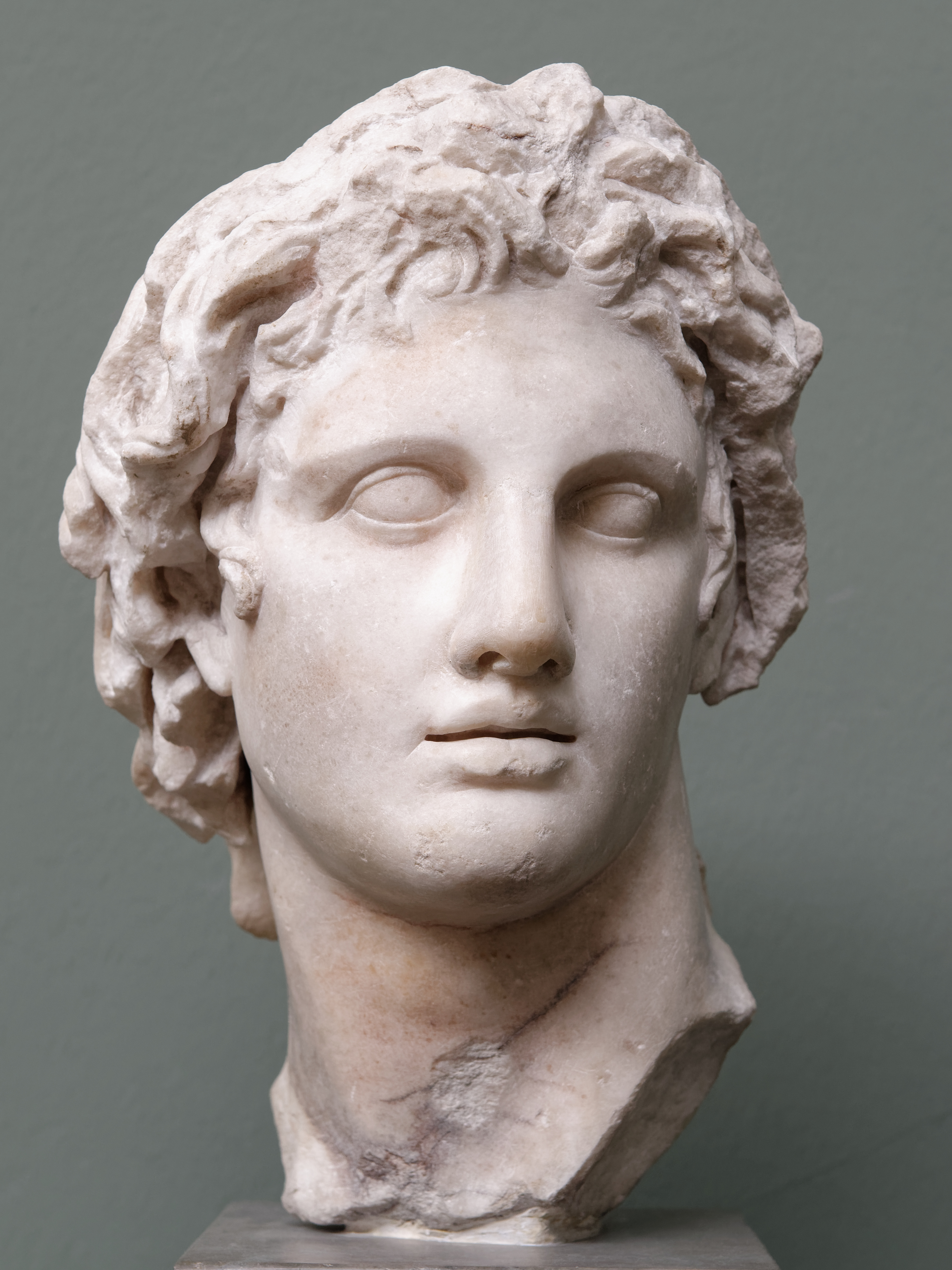
The Battle of Gaugamela, fought in 331 BCE, was the decisive confrontation between Alexander the Great and King Darius III of Persia. Taking place near the village of Gaugamela in northern Mesopotamia, the battle effectively determined the fate of the Persian Empire. Although Alexander had already achieved significant victories at the Granicus and Issus, it was at Gaugamela that Persian resistance was finally broken and Macedonian supremacy firmly established.
Background to the Battle
Following his victory at the Battle of Issus in 333 BCE, Alexander continued his campaign along the eastern Mediterranean coast, securing key cities and consolidating his position. Meanwhile, Darius III gathered a new and far larger army drawn from across the vast Persian Empire. Determined to make a final stand, Darius selected a wide, open plain near Gaugamela, believing that the terrain would favour his numerical superiority and the use of chariots and cavalry.
The Persian king had the ground carefully prepared and levelled to allow his scythed chariots to manoeuvre effectively. Confident in the size of his forces, Darius expected to overwhelm the Macedonians.
Forces and Preparations
The Persian army is believed to have greatly outnumbered Alexander’s forces, though ancient sources may exaggerate the figures. Darius commanded a vast coalition of troops, including infantry, cavalry, archers, and war chariots equipped with blades intended to cut through enemy formations.
Alexander’s army was smaller but highly disciplined and experienced. It consisted of the Macedonian phalanx, armed with long sarissas, elite Companion Cavalry, and allied Greek troops. Alexander relied on coordination, flexibility, and decisive leadership rather than sheer numbers.
The Course of the Battle
The battle began with Persian chariots charging towards the Macedonian lines. However, Alexander’s troops had prepared for this tactic. They opened gaps in their formation, allowing the chariots to pass through before attacking them from the sides. Many chariots were neutralised before causing significant damage.
Alexander then advanced obliquely towards the Persian left, drawing enemy cavalry away from the centre. When a gap appeared in the Persian line, he led a concentrated cavalry charge directly towards Darius. This bold manoeuvre once again targeted the Persian king himself.
Under pressure and fearing capture, Darius fled the battlefield. As at Issus, the flight of the king caused confusion and collapse among Persian forces. Despite resistance on other parts of the field, the Macedonian army ultimately secured victory.
Aftermath and Consequences
The defeat at Gaugamela marked the effective end of the Achaemenid Persian Empire. Alexander entered the great cities of Babylon, Susa, and Persepolis, claiming their wealth and political authority. Although Darius briefly attempted to rally support, he was later killed by one of his own satraps.
Alexander presented himself not merely as a conqueror but as the legitimate successor to Persian rule. He adopted aspects of Persian dress and administration, seeking to integrate his empire rather than simply dominate it.
Military Significance
The Battle of Gaugamela demonstrated the superiority of Macedonian military organisation and leadership. Alexander’s tactical flexibility, ability to adapt to terrain, and willingness to lead from the front were decisive factors in the outcome.
The battle also underscored the limitations of numerical advantage when faced with disciplined formations and coordinated cavalry manoeuvres. Philip II’s earlier military reforms had created an army capable of confronting and defeating much larger forces.
Historical Impact
Gaugamela was one of the most consequential battles of antiquity. It opened the heart of the Persian Empire to Macedonian control and initiated a new era known as the Hellenistic period. Greek culture, language, and political ideas spread across the eastern Mediterranean and Near East as a result of Alexander’s conquests.
The battle has been studied for centuries as an example of decisive leadership and strategic innovation. It remains a landmark event in military history.
Conclusion
The Battle of Gaugamela was the defining victory of Alexander the Great’s campaign against Persia. Despite facing a numerically superior enemy on terrain chosen to favour them, Alexander’s strategy and personal courage secured a complete triumph.
The consequences reshaped the ancient world, bringing an end to centuries of Persian dominance and establishing Macedonian authority across vast territories. Gaugamela stands as one of the most significant and transformative battles in history.