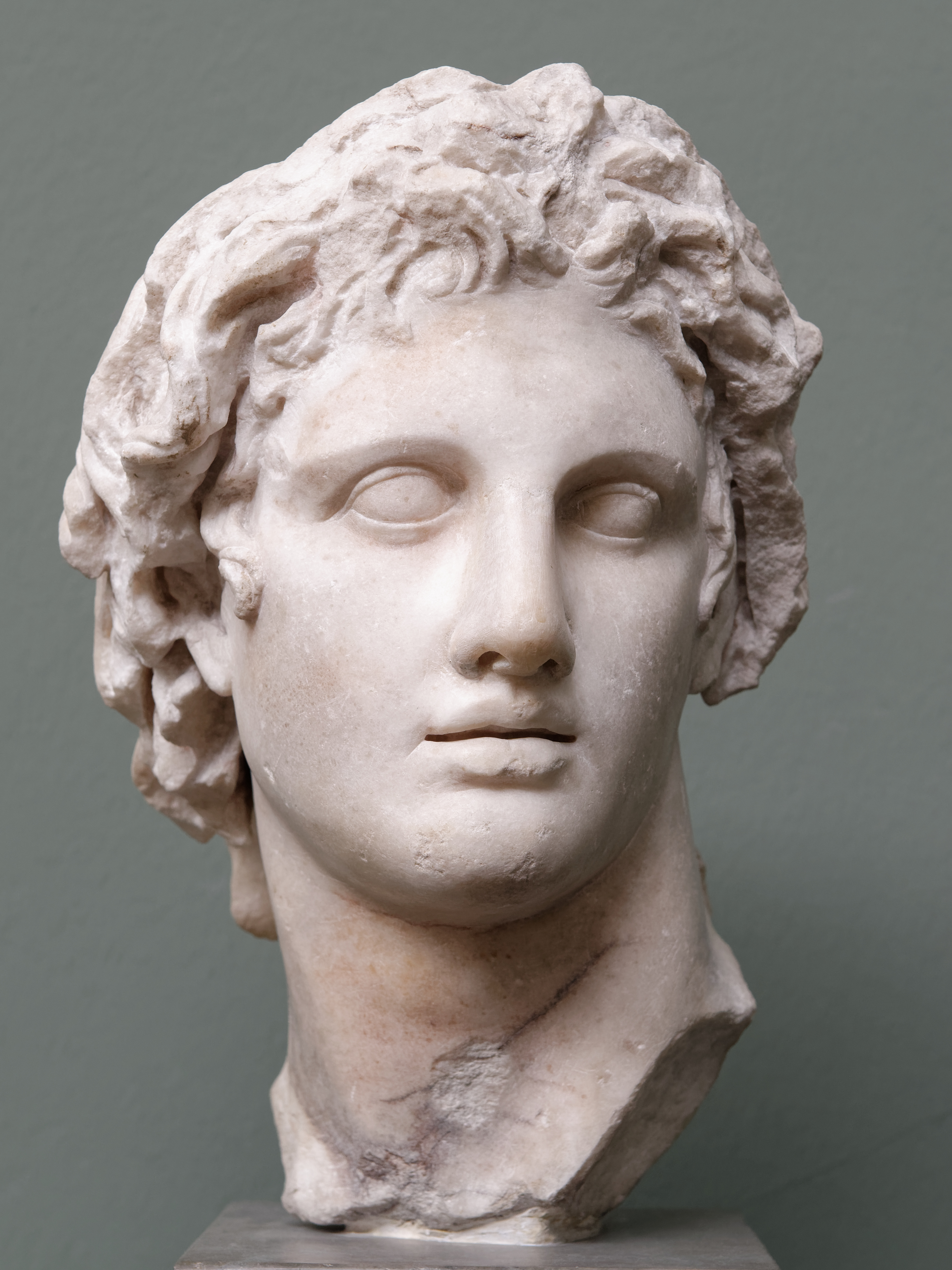
The Battle of Chaeronea, fought in 338 BCE, was a decisive confrontation between the forces of Macedon, led by King Philip II and his son Alexander, and a coalition of Greek city-states, most notably Athens and Thebes. The battle marked a turning point in Greek history, effectively ending the era of independent city-state dominance and establishing Macedonian supremacy over mainland Greece.
Introduction
Taking place near the town of Chaeronea in Boeotia, the engagement demonstrated the effectiveness of Philip’s military reforms and the rising prominence of the young Alexander.
Background to the Conflict
During the fourth century BCE, Philip II of Macedon steadily expanded his influence in Greece through a combination of diplomacy and military action. Many Greek states grew increasingly concerned about Macedonian power, particularly Athens and Thebes, which had long been leading forces in Greek affairs.
Tensions escalated as Philip intervened in central Greek politics. Determined to resist Macedonian domination, Athens and Thebes formed an alliance and mobilised their forces to confront Philip.
The Opposing Forces
The Macedonian army was highly disciplined and well organised. Philip had reformed the infantry into a formidable phalanx equipped with the long sarissa spear. In addition to the phalanx, he commanded strong cavalry units, including the elite Companion Cavalry, in which his son Alexander held a leading role.
The allied Greek forces consisted of hoplites from Athens, Thebes, and other states. Among them was the Theban Sacred Band, an elite infantry unit renowned for its courage and cohesion.
Although the Greek coalition was determined, it lacked the unified command structure and tactical innovation of the Macedonian army.
The Course of the Battle
The battle took place on a broad plain near Chaeronea. Philip commanded the right wing of the Macedonian line, while the young Alexander led the left wing.
Philip engaged the Athenian forces with calculated manoeuvres, reportedly executing a controlled withdrawal that drew the Athenians out of formation. As the Athenian line advanced in pursuit, gaps appeared in their ranks.
At the same time, Alexander launched a decisive assault against the Theban forces. Leading the Companion Cavalry, he broke through the enemy line, contributing significantly to the collapse of the Greek position. The Theban Sacred Band fought bravely but was ultimately overwhelmed.
The Macedonian victory was complete. The allied Greek forces suffered heavy losses, and their resistance was crushed.
Aftermath and Political Consequences
The defeat at Chaeronea had profound consequences for Greece. Philip did not destroy Athens, but he imposed terms that curtailed its independence. Thebes, which had borne the brunt of the fighting, suffered more severe consequences.
Philip established the League of Corinth, a federation of Greek states under Macedonian leadership. Although member states retained a degree of autonomy, they acknowledged Philip as hegemon and agreed to support his planned campaign against Persia.
The battle effectively ended centuries of rivalry among the major Greek city-states and replaced them with a new political order dominated by Macedon.
Military Significance
The Battle of Chaeronea demonstrated the superiority of Macedonian military organisation and tactics. The combination of the sarissa-equipped phalanx and decisive cavalry action proved more effective than traditional hoplite warfare.
It also marked the emergence of Alexander as a capable military leader. His role in breaking the Theban line foreshadowed his later achievements as one of history’s greatest commanders.
Historical Legacy
Chaeronea is often regarded as the end of the Classical Greek political era. The independence of the city-states gave way to Macedonian hegemony, which in turn paved the way for Alexander’s conquests and the spread of Hellenistic culture.
The battlefield itself became a site of memory. A lion monument was later erected in honour of the fallen Theban Sacred Band, symbolising the courage of those who fought.
Conclusion
The Battle of Chaeronea was a decisive and transformative event in Greek history. Through disciplined tactics and unified command, Philip II secured Macedonian dominance and reshaped the political landscape of Greece.
The victory not only marked the decline of independent city-state rivalry but also prepared the ground for the vast conquests of Alexander the Great. Chaeronea thus stands as one of the most significant battles of the ancient Greek world.