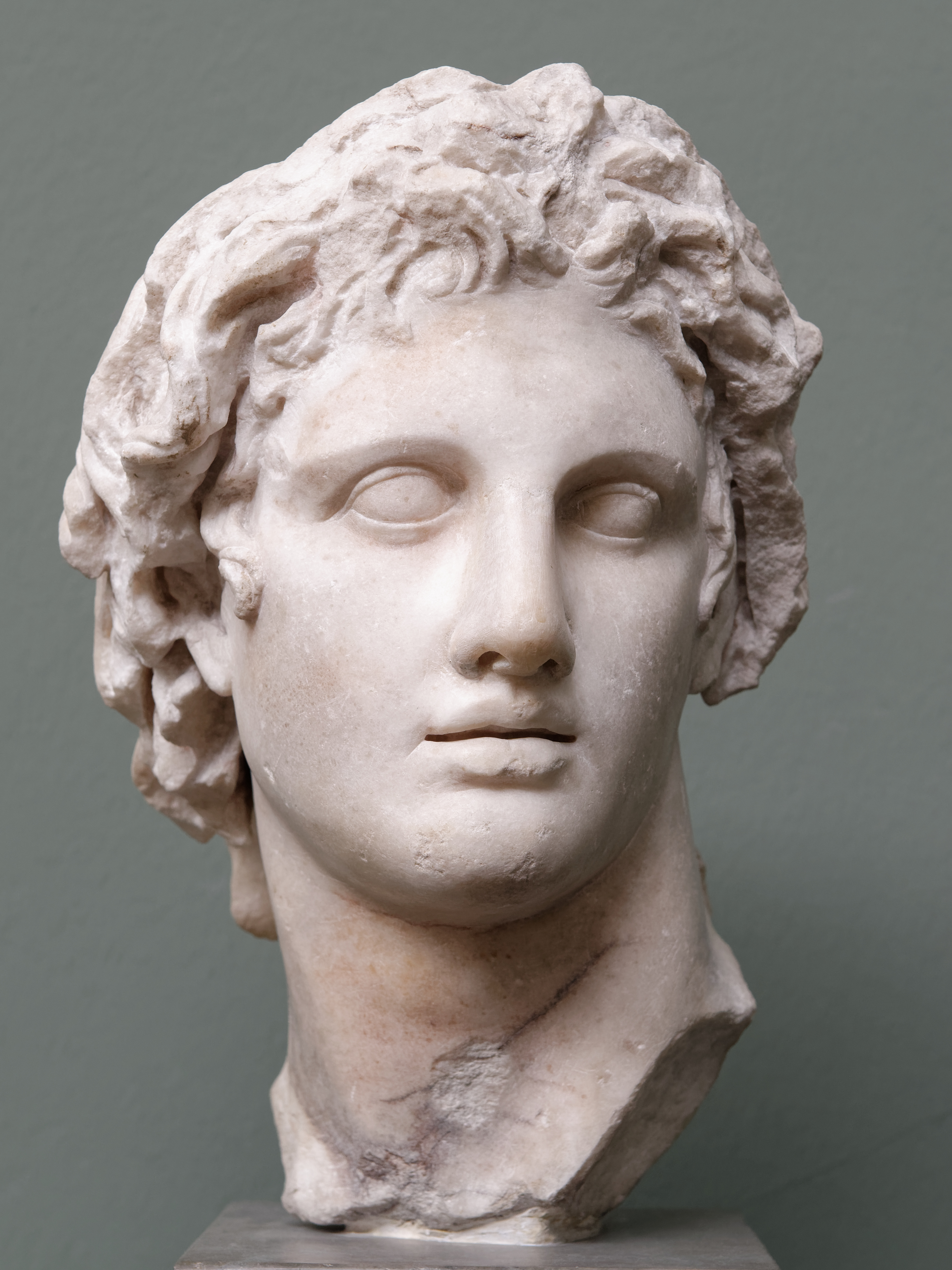
The Siege of Cyropolis was one of the most significant engagements of Alexander the Great’s Central Asian campaign, fought in 329 BCE. Cyropolis, believed to have been founded by Cyrus the Great, stood as a fortified city on the north-eastern frontier of the former Persian Empire, near the River Jaxartes. Its capture formed part of Alexander’s broader effort to secure Sogdiana and eliminate resistance in the remote eastern territories of his expanding empire.
Introduction
Although less celebrated than the major battles against Darius III, the siege demonstrated Alexander’s adaptability in confronting fortified urban centres and his determination to consolidate control over distant and often hostile regions.
Historical Context
Following his decisive victories at Issus and Gaugamela, Alexander had overthrown the Achaemenid Persian Empire. However, conquest did not immediately translate into secure rule. In the eastern satrapies, particularly in Bactria and Sogdiana, resistance persisted under local leaders.
Cyropolis was one of several fortified settlements in the region. It held symbolic importance due to its association with Cyrus the Great and practical importance as a defensive stronghold controlling key routes near the frontier.
Strategic Importance
Cyropolis lay near the River Jaxartes, a natural boundary marking the northern limits of Alexander’s conquests at that time. Securing the city was essential for stabilising the region and preventing incursions from nomadic groups beyond the river.
Leaving Cyropolis unconquered would have risked rebellion in Alexander’s rear and undermined his authority in Central Asia. The siege thus formed part of a systematic campaign to eliminate resistance and fortify the empire’s borders.
The Siege Operations
Alexander approached Cyropolis with experience gained from earlier sieges in Asia Minor and the Near East. The city was strongly fortified, and direct assault posed considerable risk.
According to ancient accounts, Alexander employed a combination of engineering skill and tactical manoeuvre. Siege engines were brought into action to weaken the walls. At the same time, a portion of his forces exploited weaknesses in the defences, reportedly entering the city through a dried river channel or concealed approach.
Once inside, Macedonian troops engaged in intense fighting within the city. The defenders resisted fiercely, but the superior discipline and coordination of Alexander’s forces ultimately secured victory.
Aftermath and Consequences
The capture of Cyropolis marked a major step in pacifying Sogdiana. It demonstrated to other cities in the region that resistance would be met with determined force.
Following the siege, Alexander continued operations along the Jaxartes, including the foundation of a new city often identified as Alexandria Eschate, or ‘Alexandria the Furthest’. This settlement served as a defensive outpost and symbol of Macedonian presence at the edge of the known world.
The fall of Cyropolis also weakened organised opposition and contributed to the gradual consolidation of Alexander’s eastern territories.
Military Significance
The Siege of Cyropolis highlighted Alexander’s proficiency in siege warfare. While often remembered for dramatic cavalry charges in open battles, his success depended equally upon engineering innovation and strategic patience.
The operation further illustrated the logistical challenges of campaigning in distant and unfamiliar lands. Maintaining supply lines and morale in Central Asia required exceptional organisational skill.
Historical Impact
The conquest of Cyropolis formed part of the broader transformation of Central Asia during the Hellenistic period. Greek influence spread into regions far beyond the traditional boundaries of the Greek world, fostering cultural exchange and new urban foundations.
Although resistance in the region continued for some time, the siege marked a decisive moment in Alexander’s efforts to secure the far eastern reaches of his empire.
Conclusion
The Siege of Cyropolis was a key episode in Alexander the Great’s Central Asian campaign. Through careful planning, engineering ingenuity, and determined assault, he overcame a formidable fortress associated with the legacy of Persian power.
The fall of the city strengthened Macedonian control, secured the northern frontier, and reinforced Alexander’s reputation as a commander capable of mastering both open-field battle and complex siege warfare. As part of his eastern conquests, the siege played an important role in shaping the Hellenistic world that followed.