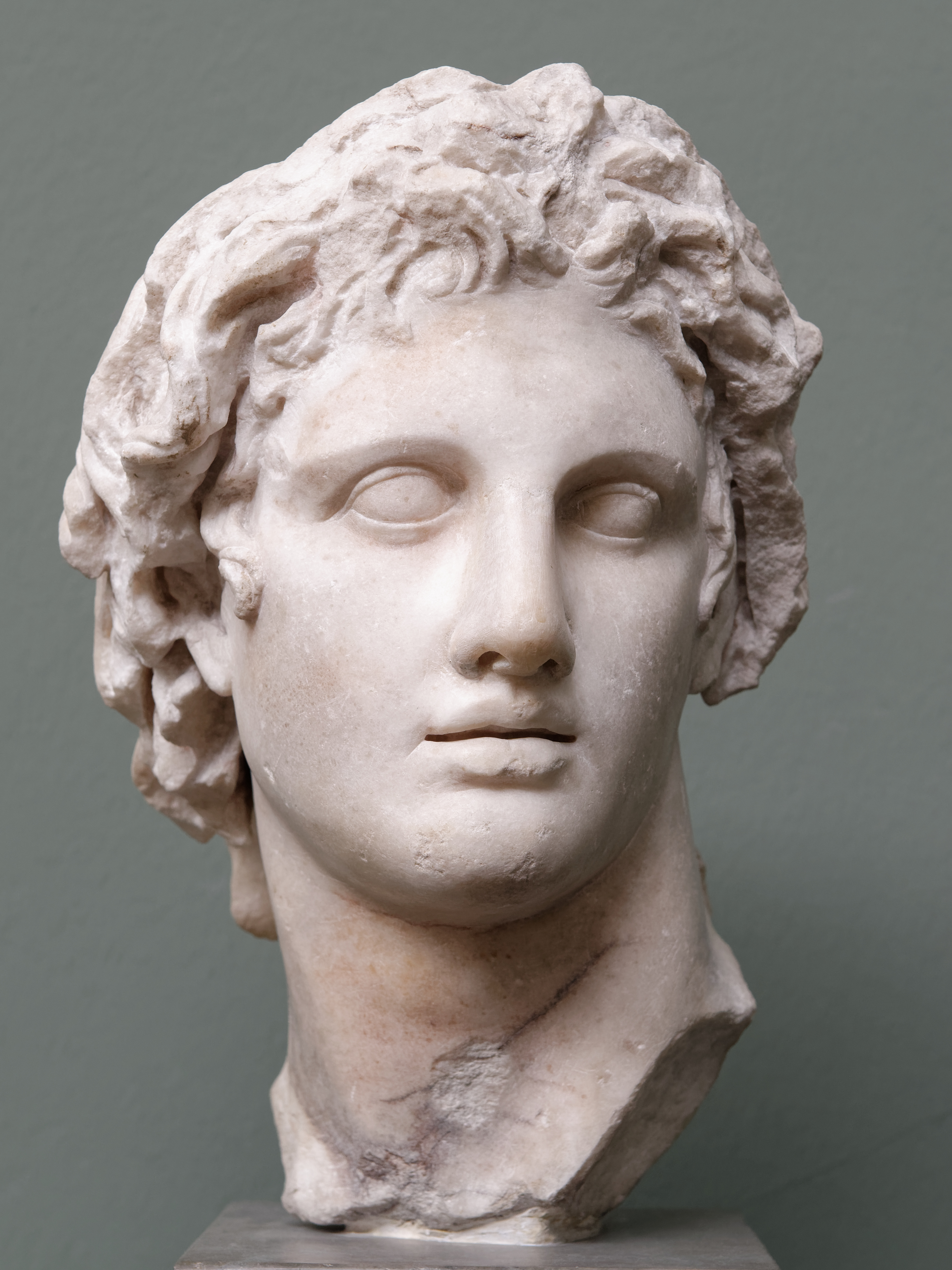
The Mallian Campaign was one of the final and most perilous episodes of Alexander the Great’s eastern expedition, fought in 325 BCE during his return from the Indian subcontinent. The campaign took place in the region of the lower Indus Valley, where the Mallian tribes mounted fierce resistance against Macedonian authority. The fighting was intense and marked by one of the most dramatic moments of Alexander’s career, when he was severely wounded while storming a fortified city.
Historical Background
After the Battle of the Hydaspes and the refusal of his troops to advance further east, Alexander began his return westwards. Although he had secured alliances with some local rulers, not all communities were willing to accept Macedonian dominance. The Mallians, a powerful tribal confederation inhabiting the fertile lands of the lower Indus, chose to resist.
Alexander was determined to prevent unrest from spreading and to secure safe passage for his army as it moved towards the Arabian Sea. The campaign against the Mallians thus became a crucial operation to stabilise the region.
Initial Operations
The Macedonian army advanced rapidly into Mallian territory, aiming to prevent the tribes from uniting. Speed and surprise were central to Alexander’s approach. Several settlements were attacked and subdued in swift engagements.
The Mallians retreated into fortified towns, preparing for determined defence. Their resistance was marked by courage and local knowledge of the terrain, which complicated Macedonian operations.
The Storming of the Mallian Citadel
The most famous episode of the campaign occurred during the assault on a heavily fortified Mallian city, often identified with modern Multan. Eager to press the attack, Alexander personally led an assault on the city walls.
In an act of characteristic boldness, he scaled the wall with a small group of companions and leapt into the city before the main force had secured entry. Isolated inside, he faced intense opposition from defenders.
During the fighting, Alexander was struck by an arrow that penetrated his armour and severely wounded him. His injury caused alarm among his troops, who fought desperately to reach and rescue him. The Macedonians eventually secured the city, but the incident revealed the grave risks Alexander was willing to take.
Aftermath and Recovery
Alexander’s wound was serious, and for a time rumours spread that he had died. His recovery was slow but complete. The episode strengthened the loyalty of his soldiers, who had witnessed his courage and vulnerability.
The campaign continued, with remaining resistance gradually suppressed. The Mallian territory was brought under Macedonian control, securing the southern route of Alexander’s return.
Military Significance
The Mallian Campaign demonstrated both the strengths and dangers of Alexander’s leadership style. His willingness to lead from the front inspired devotion but also exposed him to considerable personal risk.
The fighting illustrated the challenges of subduing tribal societies through rapid and aggressive tactics. It also highlighted the importance of discipline and cohesion within the Macedonian ranks during moments of crisis.
Strategic Importance
Securing the lower Indus region was essential for maintaining stability as Alexander divided his forces for the return journey. Part of the army travelled by land through harsh desert terrain, while another contingent navigated the coastline.
By eliminating Mallian resistance, Alexander ensured that his forces could withdraw without facing attacks from behind.
Historical Legacy
The Mallian Campaign is remembered chiefly for the dramatic wounding of Alexander. The episode has been cited as evidence of both his extraordinary bravery and his impulsive nature.
The campaign also marked one of the final major military operations of his eastern conquests. Shortly thereafter, Alexander would begin the long journey back towards Babylon.
Conclusion
The Mallian Campaign was a fierce and decisive chapter in Alexander the Great’s return from India. Through rapid manoeuvre and determined assault, he subdued a powerful tribal confederation and secured the lower Indus region.
The severe wound he sustained during the storming of a Mallian stronghold became one of the most dramatic moments of his career, underscoring both his courage and the risks inherent in his leadership style. The campaign remains a testament to the intensity and far-reaching scope of Alexander’s conquests.