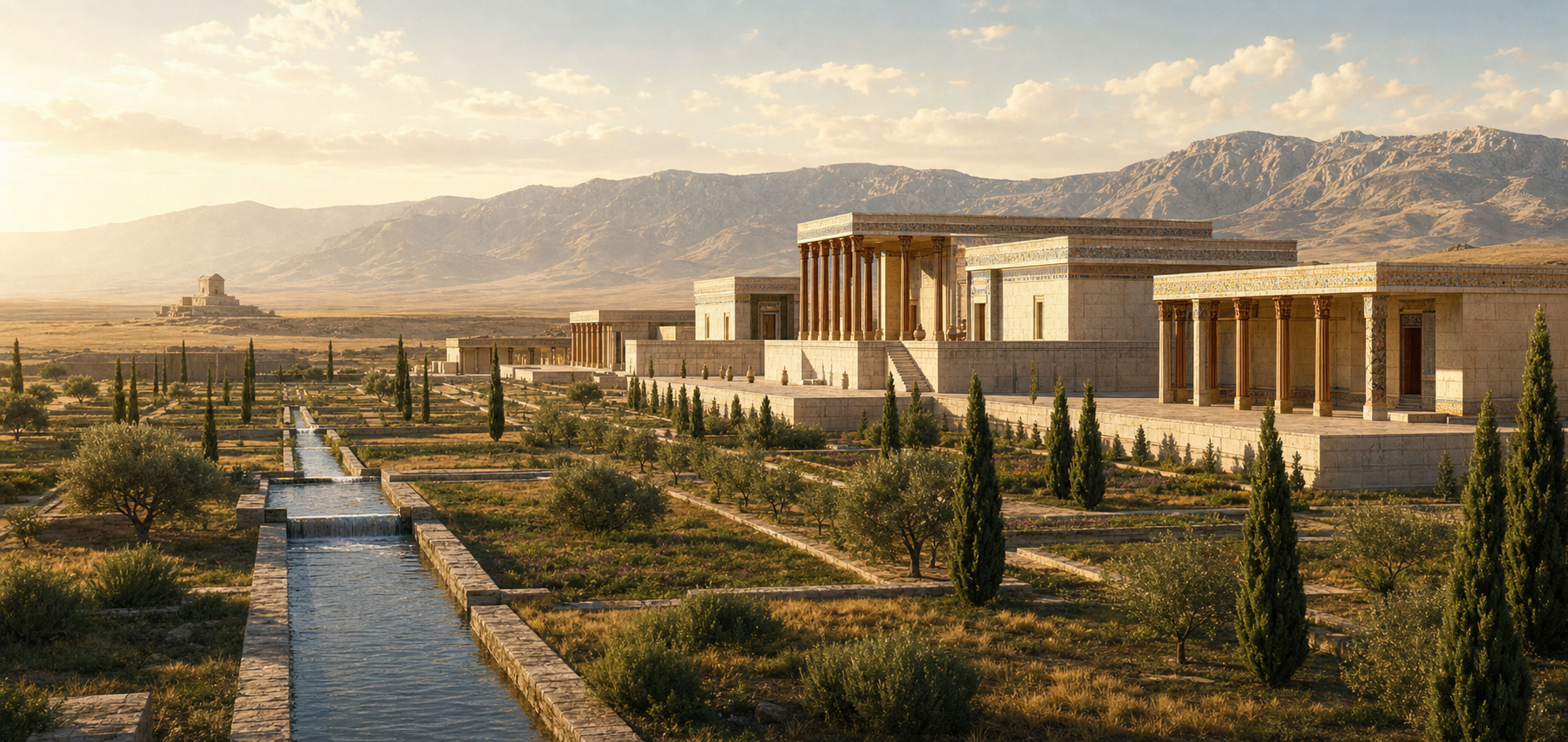
Plataea was a small but historically significant city-state of ancient Greece located in Boeotia, near the border with Attica. Though modest in size and political power compared with larger poleis such as Athens or Sparta, Plataea achieved enduring fame through its role in the Persian Wars and its steadfast alliance with Athens. The city became a symbol of loyalty, sacrifice, and resistance against foreign invasion, particularly through its participation in the decisive Battle of Plataea.
The history of Plataea illustrates how even relatively small Greek communities could exert profound influence upon wider events. Positioned in a contested region between powerful neighbours, Plataea’s strategic choices shaped its destiny and left a lasting imprint on Greek collective memory.
Geographic Setting and Regional Context
Plataea lay in southern Boeotia, at the foot of Mount Cithaeron, near the frontier separating Boeotia from Attica. This location gave it agricultural resources and access to important land routes linking central Greece with the Peloponnese and Attica. At the same time, its proximity to powerful Boeotian cities, especially Thebes, placed it in a politically sensitive position.
The surrounding plains were suitable for agriculture, supporting a stable population base. However, Plataea’s strategic location meant that it frequently became a battlefield during larger conflicts, particularly in wars involving Athens and Thebes.
Early History and Political Alignment
Plataea emerged as a polis during the Archaic period. Like other Greek city-states, it likely experienced early forms of aristocratic governance. The city’s most defining political decision occurred when it sought protection against Theban dominance by aligning itself with Athens in the late sixth century BCE.
This alliance with Athens was a turning point in Plataean history. While other Boeotian cities often fell under Theban influence, Plataea maintained a close relationship with Athens. This alignment would determine its role in major Greek conflicts for generations.
Plataea in the Persian Wars
Plataea achieved lasting renown during the Persian Wars. In 490 BCE, the city sent troops to support Athens at the Battle of Marathon, demonstrating its loyalty to its ally. This act of solidarity strengthened the bond between the two states.
Its most famous moment came in 479 BCE at the Battle of Plataea. After the Persian invasion of Greece under Xerxes, Greek forces assembled to confront the remaining Persian army. The decisive battle took place near Plataean territory. A coalition of Greek states, led primarily by Sparta but supported strongly by Athens and others, defeated the Persian forces in a land battle that effectively ended the Persian threat to mainland Greece.
The choice of battlefield underscored Plataea’s strategic importance. The victory became one of the defining events of Greek history. In recognition of its role and the location of the triumph, Plataea gained prestige as the site of a Panhellenic victory.
Annual commemorations and oaths reinforced the memory of the battle. Plataea was granted special honours, including protection and recognition of its autonomy by allied states.
Conflict with Thebes and Destruction
Despite its prestige, Plataea’s position remained precarious. Its alliance with Athens continued to provoke hostility from Thebes and other Boeotian cities. During the Peloponnesian War, Plataea once again became the centre of conflict.
In the early years of the war, Theban forces attempted a surprise attack on Plataea. The attempt failed, but it marked the beginning of a prolonged siege by Spartan and Theban forces. After enduring considerable hardship, Plataea eventually fell. The city was destroyed, and many of its inhabitants were executed or driven into exile.
This destruction marked a tragic chapter in Plataean history. A city that had stood as a symbol of Greek unity against Persia was reduced to ruin amid internal Greek conflict.
Restoration and Later History
Plataea was later rebuilt during periods of shifting political alliances. Its fortunes rose and fell depending on the balance of power between Athens, Sparta, and Thebes. In the fourth century BCE, Theban dominance in Boeotia again threatened Plataean independence.
Under Macedonian and later Roman rule, Plataea retained limited significance. Though it never regained the prominence associated with the Persian Wars, its historical memory remained powerful.
Roman interest in classical Greek heritage ensured that the site retained some ceremonial importance, particularly as a symbol of resistance against Persia.
Religion and Commemoration
Plataea became associated with memorials and religious rites connected to the Persian Wars. The battlefield itself was marked by monuments honouring the Greek dead. Commemorative festivals reinforced the narrative of collective defence and unity.
The city’s identity was therefore deeply intertwined with its role in a single but decisive historical moment. Religious commemoration served both to honour the fallen and to preserve Plataea’s legacy within Greek historical consciousness.
Military and Strategic Importance
Although not a major military power in its own right, Plataea’s geographic position made it strategically valuable. Control of its territory provided access to routes between central Greece and the Peloponnese. As a result, it repeatedly became a focal point in larger wars.
Its experience demonstrates how small states could be drawn into conflicts far exceeding their own capacity, their autonomy shaped by the ambitions of larger powers.
Legacy
Plataea’s enduring significance lies primarily in the Battle of Plataea, one of the most decisive confrontations in Greek history. The defeat of Persian forces there marked the effective end of the invasion and preserved the independence of the Greek city-states.
Though later destroyed and rebuilt, Plataea remained a symbol of loyalty and sacrifice. Its alliance with Athens and its role in the Persian Wars secured a place in historical memory disproportionate to its size.
Conclusion
Plataea stands as an example of how a small polis could shape the course of history through strategic alliances and courageous participation in decisive events. Situated between powerful neighbours, it navigated a complex political landscape that brought both honour and devastation.
From the plains where Greek forces defeated Persia to the tragic siege during the Peloponnesian War, Plataea’s story reflects both the unity and the internal conflict of the ancient Greek world. Its legacy endures as a reminder that history is often shaped not only by great empires, but also by smaller communities whose choices and sacrifices influence the fate of nations.