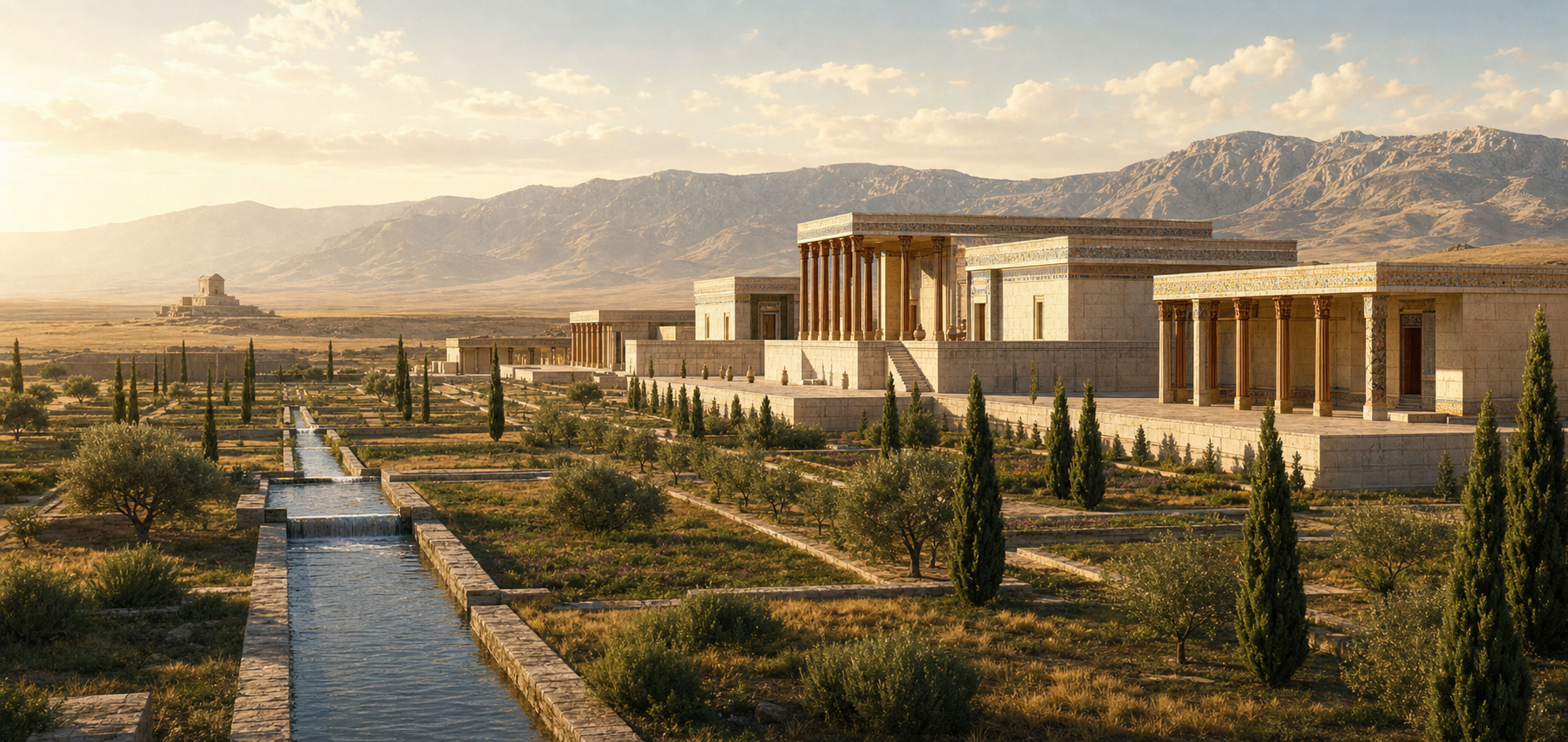
Lesbos was one of the largest and most culturally significant islands of the ancient Greek world. Situated in the north-eastern Aegean Sea, close to the coast of Asia Minor, Lesbos occupied a strategic position that fostered maritime trade, intellectual exchange, and artistic development. Throughout antiquity, the island was renowned for its poetry, political activity, naval strength, and distinctive cultural identity.
Unlike many mainland Greek regions dominated by a single powerful polis, Lesbos contained several important cities, including Mytilene, Methymna, Antissa, Eresos, and Pyrrha. Among these, Mytilene emerged as the most influential and frequently played a leading role in the island’s affairs. Lesbos’ history reflects the broader currents of Greek civilisation, including colonisation, warfare, philosophical development, and eventual incorporation into larger empires.
Geographic Setting and Natural Resources
Lesbos lies just off the western coast of Asia Minor, separated from the mainland by a narrow strait. Its fertile plains, abundant water sources, and sheltered harbours made it well suited to agriculture and maritime enterprise. Olive cultivation, wine production, and livestock farming formed the foundation of the island’s economy.
The island’s coastline, marked by natural bays and inlets, encouraged shipbuilding and seafaring. Its proximity to the Ionian cities facilitated commercial and cultural interaction, placing Lesbos within the wider sphere of Aegean trade networks.
Early History and Aeolian Identity
In antiquity, Lesbos was regarded as a centre of Aeolian Greek culture. Settlers from mainland Greece established communities on the island during the early first millennium BCE. The Aeolian dialect spoken on Lesbos became associated with a distinctive poetic tradition.
During the Archaic period, the island’s cities prospered through trade and colonisation. Lesbos established settlements along the coast of Asia Minor and maintained connections with other Greek communities. Political power often rested in aristocratic families, though periods of internal conflict and tyranny occurred, particularly in Mytilene.
Poetry and Cultural Achievement
Lesbos achieved lasting fame for its contributions to lyric poetry. The poet Sappho, active in the late seventh and early sixth centuries BCE, was born on the island and composed verses that profoundly influenced Greek literature. Her poetry, characterised by personal emotion and refined expression, established a tradition that endured for centuries.
Another notable poet from Lesbos was Alcaeus, whose works addressed political themes and social tensions within Mytilene. Together, these poets helped define the Aeolian lyric style and elevated Lesbos to a position of cultural distinction.
The island’s literary heritage shaped its reputation across the Greek world and ensured that Lesbos remained associated with artistic excellence.
Political Life and Internal Conflict
The political history of Lesbos was marked by rivalry among its cities, particularly between Mytilene and Methymna. Mytilene generally dominated the island’s affairs and developed strong naval capabilities.
During the sixth century BCE, periods of tyranny disrupted aristocratic rule. Internal divisions often reflected broader struggles between elite families and emerging civic institutions. Despite these tensions, Lesbos maintained economic vitality and maritime strength.
Lesbos and the Persian Wars
In the late sixth century BCE, the Persian Empire extended its control over the Ionian and Aeolian cities of Asia Minor, including Lesbos. The island participated in the Ionian Revolt against Persian authority, though the revolt ultimately failed.
During the Persian Wars, Lesbos was drawn into the wider conflict between Persia and the Greek states. Following Greek victories, the island joined the Delian League led by Athens.
Membership in the league brought both protection and tension. While Lesbos retained a degree of autonomy, Athenian dominance limited its independence.
The Mytilenean Revolt
One of the most significant episodes in Lesbos’ history occurred during the Peloponnesian War. In the fifth century BCE, Mytilene led a revolt against Athenian authority. The rebellion was ultimately suppressed, and Athens debated severe punishment for the city.
In a dramatic assembly, Athenian citizens initially voted to execute the male population of Mytilene, but the decision was later reconsidered. Ultimately, only the leading rebels were executed. This episode illustrates the harsh realities of imperial politics and the precarious position of allied states within the Athenian empire.
Hellenistic and Roman Periods
Following the rise of Macedon under Philip II and Alexander the Great, Lesbos became part of the Hellenistic world. While political independence diminished, the island retained cultural and economic significance.
Under Roman rule, Lesbos continued to prosper. Roman elites admired Greek culture, and the island’s intellectual and literary traditions remained respected. The city of Mytilene, in particular, maintained prominence as an urban centre.
Economy and Society
The economy of Lesbos was based on agriculture, especially olive oil and wine production, as well as maritime trade. Its fertile land and favourable climate supported steady productivity.
Lesbian society reflected the typical structure of a Greek polis, with citizens participating in political life, military service, and religious festivals. Slavery was present, as in other Greek states, contributing to agricultural and domestic labour.
The island’s cities fostered civic identity through religious observances, public gatherings, and artistic patronage.
Religion and Civic Identity
Religious practice on Lesbos followed the broader traditions of Greek polytheism. Sanctuaries dedicated to major Olympian gods structured public life. Festivals and rituals reinforced communal bonds and celebrated civic pride.
The island’s poetic tradition also carried religious undertones, often invoking divine inspiration and reverence for the gods.
Legacy
Lesbos’ enduring legacy lies in its literary achievements and its role in the political and military history of the Aegean. The poetry of Sappho and Alcaeus secured the island’s place in cultural history, while its participation in the Persian and Peloponnesian Wars shaped its political narrative.
The island’s name became permanently associated with artistic refinement and emotional expression. Its contributions to lyric poetry influenced generations of writers across the Mediterranean and beyond.
Conclusion
Lesbos was a vibrant and influential island within the ancient Greek world. Through its maritime enterprise, agricultural productivity, and remarkable poetic tradition, it achieved distinction disproportionate to its size.
From its Aeolian heritage and early prosperity to its involvement in imperial conflict and later integration into the Roman world, Lesbos exemplifies the richness and diversity of Greek civilisation. Its cultural achievements, particularly in lyric poetry, remain among the most celebrated contributions of the ancient Aegean.