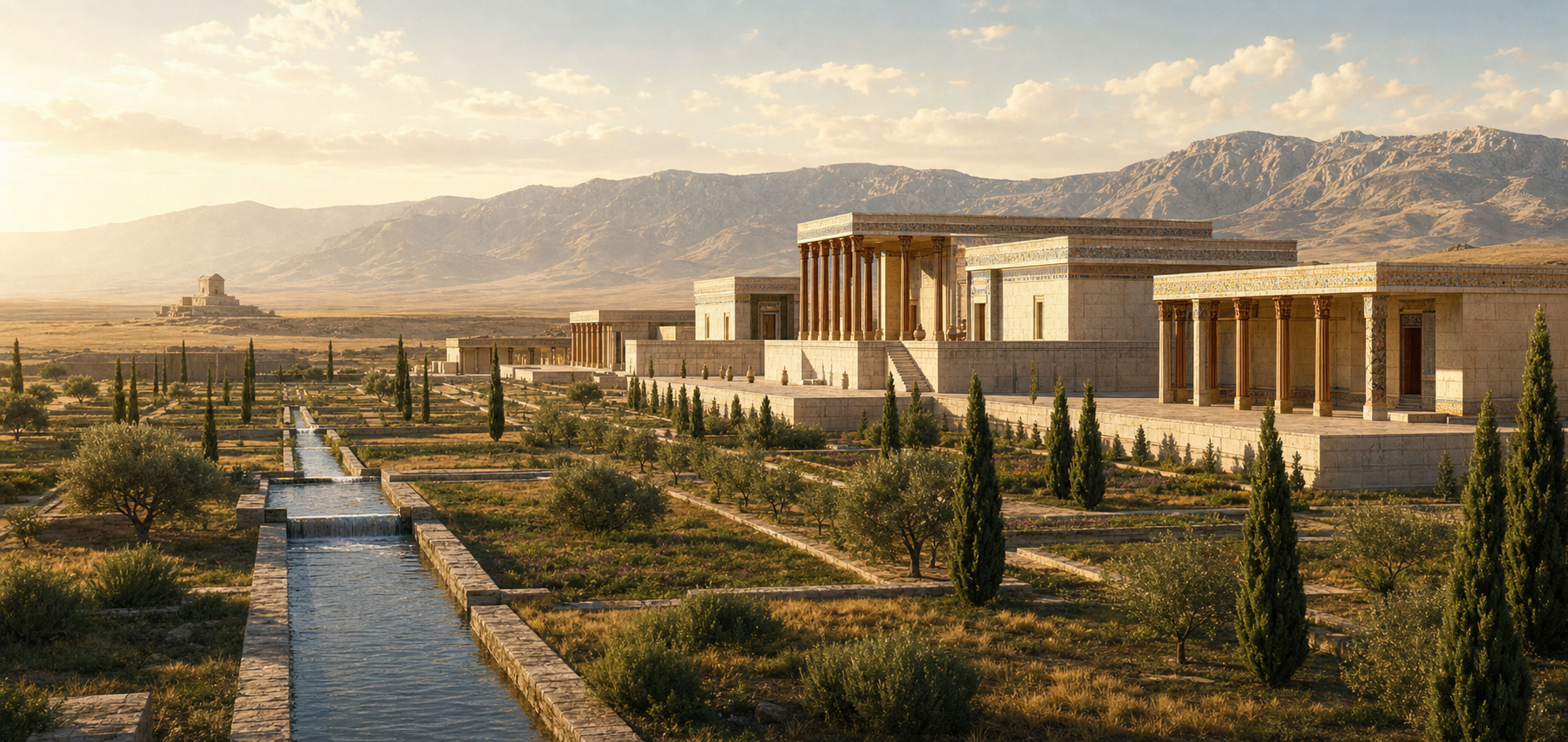
Amphipolis was an important ancient city located in eastern Macedonia, near the mouth of the Strymon River. Founded in the fifth century BCE, it became a strategic and economically significant centre due to its position along key land and river routes, as well as its proximity to valuable natural resources. Throughout its history, Amphipolis was contested by major powers including Athens, Sparta, Macedon, and Rome. Its story reflects the shifting political landscape of the Classical and Hellenistic Greek world.
Geographic Setting and Strategic Importance
Amphipolis was situated on a bend of the Strymon River, almost encircled by water, from which it derived its name meaning ‘city around’. The location offered natural defensive advantages and access to both inland and maritime trade routes. The nearby Aegean coast allowed connection with the wider Greek world, while the river facilitated transport into the interior of Thrace and Macedonia.
The region surrounding Amphipolis was rich in timber, fertile land, and mineral resources, particularly gold and silver from nearby mines. These resources made the city highly desirable and strategically valuable.
Foundation and Athenian Ambitions
Amphipolis was founded by Athens in the mid-fifth century BCE as part of its broader strategy to secure resources and extend influence in northern Greece. Earlier attempts to establish control in the region had failed, but the eventual foundation created a significant Athenian colony.
The city was intended to secure access to timber for shipbuilding and to the mineral wealth of the surrounding region. Its position also allowed Athens to strengthen its hold over trade routes to the Black Sea.
The Peloponnesian War
During the Peloponnesian War, Amphipolis became a focal point of conflict between Athens and Sparta. In the late fifth century BCE, the Spartan general Brasidas led a campaign in northern Greece and captured the city from Athenian control.
Attempts by Athens to regain Amphipolis culminated in a decisive battle in which both Brasidas and the Athenian leader Cleon were killed. Despite this, the city remained outside Athenian control, weakening Athens’ influence in the region.
The loss of Amphipolis was a significant blow to Athenian economic and strategic interests.
Macedonian Control
In the fourth century BCE, Amphipolis became an objective of Macedonian expansion under Philip II. After securing control of the city, Philip incorporated it into the Macedonian kingdom. Its resources contributed significantly to Macedonian wealth and military capability.
Under Macedonian rule, Amphipolis prospered as an administrative and military centre. Its location made it an ideal base for campaigns in Thrace and beyond. The city continued to flourish during the reign of Alexander the Great, serving as an important regional hub.
Hellenistic and Roman Periods
Following the fragmentation of Alexander’s empire, Amphipolis remained significant within the Hellenistic world. Its strategic and economic importance ensured continued occupation and development.
In the second century BCE, the city fell under Roman control after the Roman conquest of Macedonia. Under Roman administration, Amphipolis became part of the province of Macedonia and served as a regional capital for a time.
The famous Roman road known as the Via Egnatia passed through Amphipolis, enhancing its role in communication and trade across the Balkans.
Economy and Society
The economy of Amphipolis was supported by agriculture, mining, timber production, and trade. The fertile lands along the Strymon River sustained grain cultivation and livestock farming. The surrounding forests provided timber, essential for shipbuilding and construction.
The presence of gold and silver mines in nearby hills added to the city’s prosperity. These resources were instrumental in financing military campaigns during the Macedonian period.
Society in Amphipolis included settlers from Athens, local Thracian populations, Macedonian administrators, merchants, artisans, and enslaved individuals. The city’s diverse population reflected its strategic importance and shifting political control.
Religion and Civic Life
Religious life in Amphipolis followed Greek traditions, with temples dedicated to Olympian deities. Public festivals and civic institutions reinforced communal identity.
During the Macedonian period, royal patronage supported public works and religious observances. The blending of Athenian, Macedonian, and local influences contributed to the city’s distinctive character.
Archaeological Significance
Modern excavations at Amphipolis have uncovered fortifications, public buildings, inscriptions, and burial monuments. One of the most notable discoveries in the region is a large Macedonian tomb, which has drawn considerable scholarly interest.
These archaeological findings provide valuable insight into the city’s development and its role in regional history.
Legacy
Amphipolis stands as a testament to the strategic importance of northern Greece in classical antiquity. Its control was vital for access to resources and trade routes, making it a prize sought by competing powers.
From its foundation as an Athenian colony to its incorporation into Macedon and later Rome, Amphipolis played a significant role in shaping the political and economic landscape of the region.
Conclusion
Amphipolis was a city defined by its geography and resources. Positioned along the Strymon River and near valuable mines, it became a focal point of military and economic ambition.
Though often overshadowed by larger centres such as Athens and Macedon, Amphipolis was crucial to the fortunes of those who controlled it. Its history exemplifies the interconnectedness of trade, warfare, and political power in the ancient Greek world.