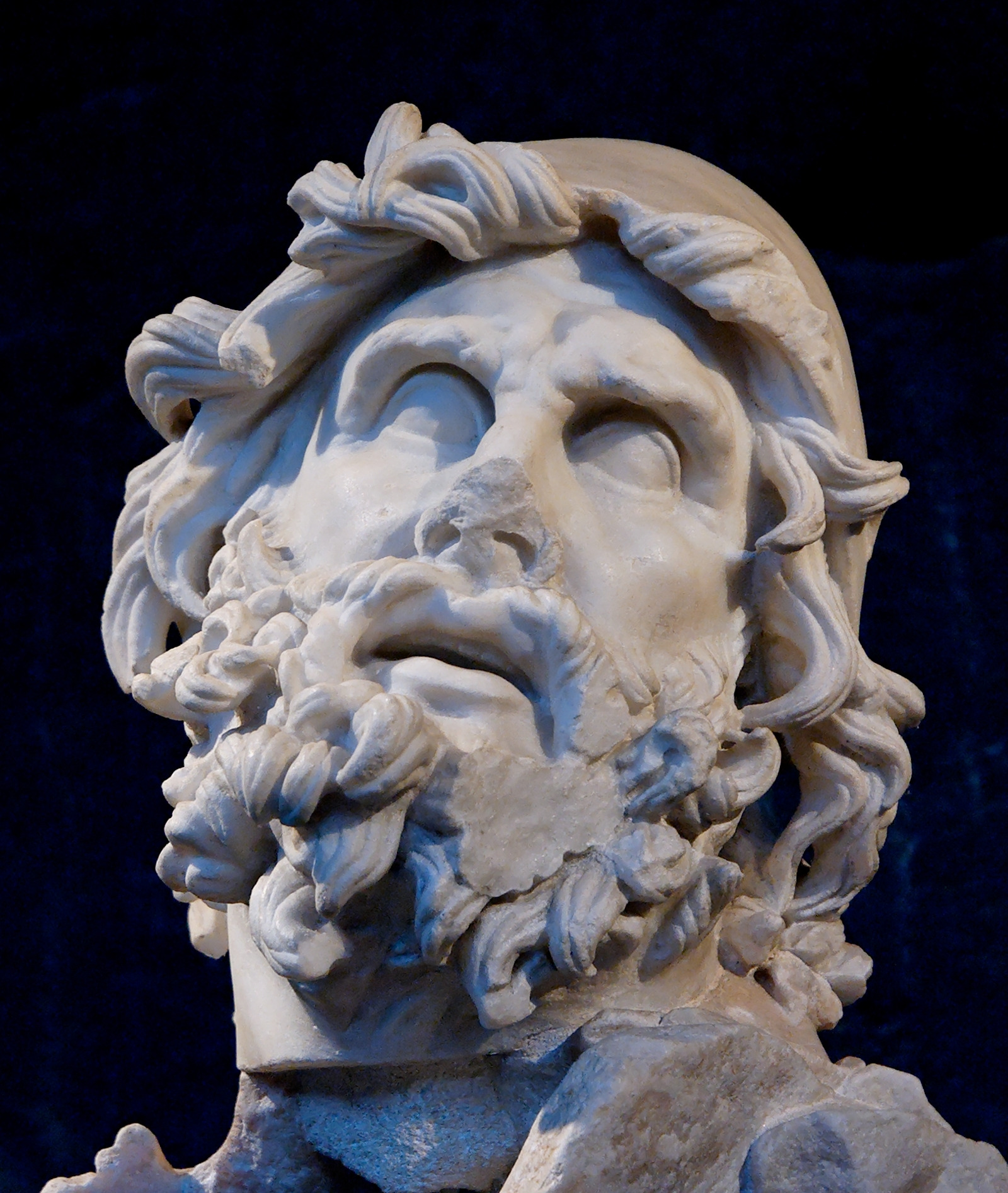
The return of Odysseus is one of the greatest stories in ancient literature. It is a tale of endurance, intelligence, temptation, identity and homecoming. After surviving ten years of war at Troy, Odysseus spends another ten years struggling to return to his island kingdom of Ithaca.
The Long Journey Home from Troy
Along the way, he encounters monsters, gods, enchantresses, storms and hostile peoples. Even when he finally reaches his homeland, his trials are not over. His palace has been occupied by arrogant suitors, his wealth is being consumed, his son is in danger and his faithful wife Penelope is under constant pressure to remarry.
The story is told principally in Homer’s Odyssey, one of the foundational works of ancient Greek literature. Unlike the Iliad, which concentrates on the anger of Achilles and the violence of war, the Odyssey explores the difficulties of returning from war.
Its hero must use patience, disguise and self-control as often as physical strength.
Odysseus does not simply need to reach Ithaca. He must rediscover his place within it. He returns as a stranger, tests those around him and gradually reveals himself to the people who have remained loyal.
His homecoming therefore becomes more than a geographical journey. It is the restoration of his identity as husband, father, king and master of his household.
Odysseus, King of Ithaca
Odysseus was the ruler of Ithaca, a small island kingdom in western Greece. He was married to Penelope and was the father of Telemachus, who was still an infant when the Greek expedition sailed for Troy.
Among the Greek heroes, Odysseus was particularly associated with intelligence, persuasive speech and strategic deception. Achilles represented unmatched martial strength, while Ajax embodied physical courage. Odysseus succeeded through adaptability and thought.
His cleverness played an important role throughout the Trojan War. He helped persuade Achilles to join the Greek expedition, participated in dangerous spying missions and was traditionally credited with devising the plan of the Trojan Horse.
By hiding warriors inside the wooden structure and convincing the Trojans to bring it within their walls, the Greeks finally captured the city after ten years of unsuccessful warfare.
Yet the same qualities that made Odysseus valuable at Troy also contributed to his difficulties on the journey home. His confidence frequently became pride, and his desire to be recognised sometimes placed both himself and his companions in danger.
The Odyssey presents him as a complicated hero. He can be courageous, loyal and resourceful, but also deceptive, reckless and slow to resist the temptation of glory.
His return to Ithaca becomes a long process of learning when to speak, when to remain silent and when to conceal his identity.
The Greek Homecomings
The journeys made by the Greek commanders after the fall of Troy were known as their nostoi, or homecomings. These stories describe a troubled aftermath to the war.
The Greeks had captured Troy, but many of them had committed acts of cruelty and sacrilege during the destruction of the city. Temples were violated, civilians were killed and the gods were offended.
As a result, the victors did not simply sail home in triumph.
Some were lost in storms. Others were murdered after reaching their kingdoms. Agamemnon, commander of the Greek expedition, returned to Mycenae only to be killed by his wife Clytemnestra and her lover Aegisthus.
Menelaus wandered through the eastern Mediterranean before returning to Sparta with Helen. Ajax the Lesser was destroyed at sea.
Odysseus faced the longest and most famous homecoming of all. His voyage from Troy to Ithaca should have taken only a short time under favourable conditions. Instead, it lasted ten years.
His delay was caused partly by divine anger, partly by misfortune and partly by the mistakes of Odysseus and his crew. Each new encounter carried them farther from home or cost them precious time.
The Raid on the Cicones
After leaving Troy, Odysseus and his men reached the land of the Cicones. They attacked the coastal settlement of Ismarus, killed many of its defenders and seized wealth and captives.
Odysseus urged his men to leave immediately, but they ignored him. They remained on the shore, feasting on the animals they had taken and drinking captured wine.
Meanwhile, the surviving Cicones called upon their inland allies. A larger force arrived and attacked the Greeks. Odysseus and his men fought throughout the day but were eventually forced to retreat.
Several men from each ship were killed.
This first episode establishes an important theme of the journey: the inability of Odysseus’ companions to control their appetites. Their desire to continue eating, drinking and collecting plunder prevents them from recognising danger.
It also shows that the behaviour learned during war cannot easily be abandoned. Odysseus and his crew begin their return by treating another settlement as if the Trojan War were still continuing.
Their homecoming starts with violence, and that violence brings immediate consequences.
The Lotus-Eaters
A storm drove the fleet away from its intended route and carried it to the land of the Lotus-Eaters.
Odysseus sent several men to investigate. The inhabitants offered them the fruit of the lotus plant. Those who ate it lost their desire to return home.
They did not become violent or hostile. They simply wanted to remain among the Lotus-Eaters and forget Ithaca.
Odysseus dragged the affected men back to the ships and tied them beneath the rowing benches. He then ordered the fleet to depart immediately.
The danger of the lotus is unusual because it does not threaten Odysseus with death. Instead, it offers forgetfulness. The men can escape suffering, responsibility and the hardships of travel if they surrender their desire for home.
Throughout the Odyssey, memory is essential. Odysseus survives because he continues to remember who he is and where he belongs.
The Lotus-Eaters threaten that identity by making the past seem unimportant.
The Cyclops Polyphemus
One of the most famous episodes of the journey takes place in the land of the Cyclopes.
Odysseus and twelve companions entered a cave filled with sheep, cheese and supplies. His men advised him to steal what they could and return to the ship.
Odysseus refused because he wanted to meet the cave’s owner and receive the hospitality traditionally owed to strangers.
The owner was Polyphemus, a gigantic Cyclops and son of Poseidon, god of the sea. When he returned, he sealed the entrance with an enormous stone.
Instead of offering hospitality, he seized two of Odysseus’ men, killed them and ate them.
Odysseus considered killing Polyphemus as he slept but realised that no one in the cave could move the stone blocking the entrance. He therefore devised another plan.
He offered the Cyclops strong wine. When Polyphemus asked his name, Odysseus replied that he was called Nobody.
Once the Cyclops had fallen into a drunken sleep, Odysseus and his men drove a heated wooden stake into his single eye.
Polyphemus screamed for help. When the other Cyclopes asked who was attacking him, he replied that Nobody was hurting him.
Believing that he was suffering from an illness or divine punishment, they went away.
The next morning, the blinded Cyclops allowed his sheep to leave the cave, feeling their backs to ensure that the Greeks were not escaping.
Odysseus tied his men beneath the animals and hid beneath the largest ram.
The plan succeeded, and the survivors reached their ship. Yet Odysseus then made a disastrous mistake.
As the ship sailed away, he called back to Polyphemus and revealed his true name.
The Cyclops prayed to Poseidon, asking that Odysseus should never reach home or, if fate required his return, that he should arrive late, alone and in suffering, having lost all his companions.
The curse shapes the remainder of the voyage. Odysseus escapes through intelligence but endangers himself through pride.
It is not enough for him to defeat the Cyclops. He wants Polyphemus to know who defeated him.
The Bag of Winds
Odysseus next reached the floating island of Aeolus, keeper of the winds. Aeolus welcomed him generously and listened to the story of the war.
When Odysseus departed, Aeolus gave him a leather bag containing all the dangerous winds. He left only the west wind free to carry the fleet towards Ithaca.
For nine days and nights, Odysseus remained awake and guided the ships homeward. On the tenth day, Ithaca came into view.
Odysseus could see the fires burning on the island.
Exhausted, he finally fell asleep.
His men became suspicious of the bag. Believing that Aeolus had secretly given their leader gold and silver, they opened it.
The released winds created a violent storm that drove the ships back across the sea.
The fleet returned to Aeolus, but he refused to help again. He concluded that the gods must hate Odysseus and ordered him to leave.
This episode makes the tragedy of the journey especially painful. Ithaca is not merely a distant hope.
Odysseus comes close enough to see it, only to lose it because of the mistrust and greed of his companions.
The Laestrygonians
The fleet next arrived in the land of the Laestrygonians, a race of enormous and violent people.
Most of the ships entered a narrow harbour surrounded by steep cliffs. Odysseus, acting cautiously, kept his own ship outside the entrance.
The Laestrygonian king killed one of the Greek scouts, and the inhabitants attacked the fleet.
They threw massive rocks from the cliffs, smashing the trapped ships and killing the crews. The harbour became a place of destruction from which escape was almost impossible.
Only Odysseus’ vessel survived because it had remained outside the enclosed harbour.
The loss was catastrophic. Odysseus had left Troy with twelve ships. Now only one remained.
His caution saved a small group, but most of the men who had followed him from the war were dead.
Circe the Enchantress
Odysseus and his remaining companions reached the island of Aeaea, home of the enchantress Circe.
A group of men approached her palace and were welcomed with food and wine. Circe mixed drugs into the meal and transformed the men into pigs.
One companion, Eurylochus, had remained outside and escaped. He returned to Odysseus with the news.
As Odysseus travelled towards the palace, the god Hermes appeared and gave him a protective herb. The herb prevented Circe’s magic from affecting him.
When she attempted to transform him, Odysseus drew his sword and forced her to restore his companions.
Circe then became a generous host. Odysseus and his men remained on her island for an entire year, feasting and recovering from their hardships.
Eventually, the crew reminded Odysseus of Ithaca. Circe told him that before he could continue home, he had to travel to the world of the dead and consult the spirit of the prophet Tiresias.
Circe’s island represents another form of delay. Unlike the Cyclops or the Laestrygonians, she eventually offers safety, comfort and companionship.
Odysseus is not physically trapped, yet he remains for a year. Homecoming requires him to reject even pleasant forms of forgetfulness.
The Journey to the Underworld
Odysseus sailed to the edge of the world and performed rituals that allowed the spirits of the dead to approach him.
The first spirit he encountered was Elpenor, one of his own companions. Elpenor had died accidentally on Circe’s island after falling from a roof.
His body had been left unburied. He begged Odysseus to return and provide him with proper funeral rites.
Odysseus then spoke with Tiresias, who warned him about the dangers ahead. The prophet told him that Poseidon remained angry because of the blinding of Polyphemus.
He also warned that the crew must not harm the sacred cattle of the sun god Helios.
Tiresias revealed that Odysseus would eventually return home, but he would find men consuming his property and seeking to marry his wife.
He would have to punish them and restore order to his kingdom.
Odysseus also met the spirit of his mother, Anticleia. She had been alive when he departed for Troy but had died during his long absence.
She told him about Penelope’s grief, Telemachus’ situation and the loneliness of his elderly father Laertes.
Odysseus tried three times to embrace her, but each time her spirit passed through his arms.
He also encountered famous figures from the Trojan War, including Agamemnon and Achilles.
Agamemnon warned him about the danger that might await a returning husband. Achilles, once the greatest of warriors, declared that life as the poorest labourer would be preferable to ruling over the dead.
The visit to the Underworld changes the meaning of heroic glory. The dead reveal the cost of war and remind Odysseus that survival, family and home are worth more than reputation.
The Sirens
After returning to Circe’s island and burying Elpenor, Odysseus prepared for the next stage of the journey.
Circe warned him about the Sirens, mysterious beings whose song drew sailors towards destruction.
Their voices promised knowledge and understanding, especially knowledge of the Trojan War and the wider world.
Odysseus wanted to hear the song without dying. He ordered his companions to block their ears with wax.
They then tied him securely to the ship’s mast.
As the vessel passed the Sirens, Odysseus heard their voices and begged his men to release him.
Following his earlier orders, they tightened the ropes instead.
The ship passed safely beyond the danger.
The episode demonstrates a more disciplined form of intelligence. Odysseus recognises his own weakness and creates conditions that prevent him from acting upon it.
He does not rely upon willpower alone. He plans for the moment when temptation will overwhelm his judgement.
Scylla and Charybdis
The ship next approached a narrow passage threatened by two monsters.
On one side was Charybdis, a terrifying whirlpool capable of swallowing the entire vessel. On the other was Scylla, a many-headed creature living in a cliffside cave.
Circe had advised Odysseus to sail closer to Scylla. The monster would seize several men, but the ship itself would survive.
Attempting to avoid both dangers could result in the death of everyone.
Odysseus did not tell his companions exactly what awaited them because he feared they would stop rowing.
He armed himself and watched for Scylla, but his weapons were useless.
As the ship passed, Scylla seized six men from the deck. Odysseus saw them lifted into the air, calling his name and reaching towards him.
This episode presents leadership as a terrible moral burden. Odysseus must choose between two disasters.
He preserves the ship by accepting the deaths of several companions.
Unlike many earlier encounters, the danger cannot be defeated by courage or cleverness. The best possible outcome still involves loss.
The Cattle of the Sun God
The surviving crew reached the island of Thrinacia, where the sacred cattle of Helios grazed.
Odysseus had been warned by both Tiresias and Circe that the animals must not be harmed.
He attempted to prevent the crew from landing, but the exhausted men insisted on resting.
Odysseus made them swear an oath not to touch the cattle. For a time, they obeyed.
Unfavourable winds trapped the ship on the island. As the food supplies disappeared, the men began to starve.
Odysseus went inland to pray and was placed into a deep sleep by the gods.
While he slept, Eurylochus persuaded the crew to kill the finest cattle. He argued that death at sea would be preferable to slow starvation.
The men sacrificed the animals and ate their flesh.
Helios demanded punishment. Zeus promised to destroy the ship.
When the winds finally changed, the crew sailed away. Zeus sent a storm and struck the vessel with a thunderbolt.
The ship broke apart, and every remaining companion was killed.
Odysseus alone survived.
He had left Troy with twelve ships and hundreds of men. Now he drifted alone upon the wreckage of his last vessel.
Calypso’s Island
Odysseus eventually reached the island of Ogygia, home of the goddess Calypso.
Calypso rescued him and kept him on the island for seven years. She loved him and offered him immortality if he would remain with her.
Yet Odysseus continued to long for Ithaca and Penelope. Homer describes him sitting beside the sea, weeping as he looked across the water.
The offer is extraordinary. Odysseus can escape age, death and further suffering. He can live forever with a beautiful goddess in an island paradise.
He refuses, not because Penelope is more beautiful or because Ithaca is more comfortable, but because they are his.
His mortality, marriage and homeland form part of his identity.
The gods eventually decide that Odysseus must be released. Hermes travels to Ogygia and orders Calypso to let him go.
Although angry and distressed, Calypso obeys. She gives Odysseus tools to build a raft and supplies for the voyage.
Poseidon’s Final Storm
Odysseus sailed away from Ogygia, but Poseidon saw him upon the sea. The god had not forgotten the blinding of Polyphemus.
Poseidon created a violent storm that shattered the raft. Odysseus was nearly drowned but received help from the sea goddess Ino, who gave him a magical veil.
After struggling through the waves, he reached the land of the Phaeacians and collapsed beneath a covering of leaves.
The Phaeacian princess Nausicaa discovered him the following morning.
Odysseus approached carefully, concealing his nakedness and speaking with great politeness. Nausicaa provided him with clothing, food and directions to the palace of her parents, King Alcinous and Queen Arete.
The Phaeacians were famous sailors and generous hosts. They received Odysseus with respect before knowing his identity.
During a feast, a poet sang about events from the Trojan War. Odysseus began to weep.
King Alcinous noticed his reaction and asked him to reveal his name and story.
Odysseus then described the wanderings that had followed the fall of Troy. Much of the famous adventure narrative of the Odyssey is presented as his own account to the Phaeacian court.
Moved by his suffering, the Phaeacians agreed to take him home.
The Sleeping Hero Returns
The Phaeacians placed Odysseus aboard one of their ships with valuable gifts. The vessel carried him swiftly across the sea while he slept.
When the ship reached Ithaca, the sailors laid the sleeping hero upon the shore and placed his treasure nearby.
Odysseus therefore completed his twenty-year absence not with a grand arrival but in sleep.
He did not see the final part of his voyage and initially did not recognise his homeland when he awoke.
The goddess Athena appeared in disguise and allowed him to believe briefly that he had landed somewhere else.
Odysseus immediately invented a false story about his identity. Athena laughed and revealed herself, praising his instinctive cleverness.
She then explained the situation in Ithaca.
For years, powerful young men from Ithaca and the surrounding islands had occupied Odysseus’ palace.
Believing him dead, they were competing to marry Penelope and obtain control over his kingdom.
They consumed his livestock, drank his wine, abused his servants and plotted to kill Telemachus.
Athena warned Odysseus not to reveal himself too soon. She transformed his appearance, making him look like an elderly beggar.
His skin became wrinkled, his hair thin and his clothing ragged.
The king of Ithaca had returned, but he would enter his own household as a stranger.
The Palace of the Suitors
During Odysseus’ absence, Penelope had resisted intense pressure to choose a new husband.
The suitors argued that Odysseus must be dead and that Ithaca required a new ruler.
Rather than court Penelope respectfully from their own homes, they gathered daily in her palace and consumed the wealth of the absent king.
Penelope used intelligence to delay them. She announced that she would choose a husband after completing a burial shroud for Laertes, Odysseus’ elderly father.
Each day she worked at the loom. Each night she secretly undid part of what she had woven.
The deception continued for three years until one of her servants revealed it to the suitors.
Penelope’s strategy resembles the cunning of Odysseus. Both husband and wife survive through patience, concealment and control of information.
While Odysseus struggles across the sea, Penelope conducts her own form of resistance within the palace.
Telemachus Searches for His Father
Telemachus had grown from an infant into a young man during his father’s absence. He remembered little or nothing of Odysseus and had spent his life surrounded by uncertainty.
At the beginning of the Odyssey, Athena encourages him to act. Disguised as a family friend, she advises him to call an assembly and publicly condemn the suitors.
Telemachus then travels to Pylos and Sparta in search of news.
He speaks with Nestor and Menelaus, veterans of the Trojan War, and learns more about his father’s reputation and the difficult Greek homecomings.
The journey marks Telemachus’ development from an uncertain youth into a more confident adult.
He begins to establish his own identity rather than existing only as the missing king’s son.
While Telemachus is away, the suitors plot to ambush and kill him on his return.
Athena helps him avoid the trap and directs him to the farm of Eumaeus, a loyal swineherd.
There, father and son are finally reunited.
Odysseus and Eumaeus
Still disguised as a beggar, Odysseus travelled to the remote farm of Eumaeus.
Eumaeus did not recognise him, but he welcomed the stranger, offered him food and spoke with loyalty about his absent master.
Odysseus tested him through invented stories, claiming to have information about the king.
Eumaeus wanted to believe that Odysseus would return but had heard too many false reports.
The swineherd’s behaviour contrasts sharply with that of the suitors. Eumaeus has little wealth, yet he practises genuine hospitality.
The suitors live in luxury, yet abuse the customs governing guests and hosts.
When Telemachus arrived, Athena briefly restored Odysseus’ true appearance. Telemachus initially believed that the transformed man must be a god.
Odysseus revealed that he was his father.
Telemachus struggled to accept the truth, but the two eventually embraced and wept. They then began planning the destruction of the suitors.
The emotional reunion is also a political alliance. Odysseus and Telemachus must act together to restore the household and prevent the kingdom from being seized.
Odysseus Enters His Own Palace
Odysseus resumed his beggar disguise and entered Ithaca accompanied by Eumaeus.
Near the palace, he encountered an old dog named Argos. Once a powerful hunting animal, Argos had been neglected during his master’s absence and now lay upon a pile of refuse.
The dog recognised Odysseus immediately. He lifted his head, moved his ears and wagged his tail, but was too weak to approach.
Odysseus secretly wiped away a tear.
After seeing his master return, Argos died.
The brief episode is among the most moving moments in the Odyssey. Human beings fail to recognise the disguised king, but the faithful animal knows him at once.
Argos also represents the decline of the household. As the palace has fallen into disorder, the king’s once-prized dog has been abandoned.
Inside the palace, the suitors mocked and abused the beggar. Antinous, one of their leaders, struck him with a stool.
Odysseus endured the humiliation and controlled his anger.
His restraint shows how much he has changed. Earlier in the journey, he endangered himself by revealing his name to Polyphemus.
In Ithaca, he accepts insults without exposing his identity because secrecy is necessary for victory.
The Loyal and the Disloyal
Odysseus used his disguise to determine who had remained loyal.
Eumaeus the swineherd and Philoetius the cowherd continued to honour him even when they believed he might never return.
Other servants had supported the suitors or taken advantage of the disorder in the household.
The nurse Eurycleia recognised Odysseus while washing his feet. She discovered an old scar on his leg, caused by a boar hunt during his youth.
Odysseus immediately covered her mouth and warned her not to reveal him.
Eurycleia obeyed and later helped identify the servants who had betrayed the household.
Penelope also met the disguised stranger. Odysseus told her an elaborate false story and described clothing that her husband had once worn.
The details caused Penelope to weep.
He assured her that Odysseus was alive and close to returning. Yet she remained cautious.
Years of uncertainty and false reports had taught her not to trust hopeful claims too easily.
The conversation places husband and wife together without allowing full reunion.
Odysseus knows Penelope, but she cannot yet know him.
Penelope’s Contest
Penelope finally announced a contest that would determine whom she would marry.
Odysseus possessed a great bow that none of the suitors had been able to use.
Penelope declared that she would marry the man who could string it and shoot an arrow through a line of twelve axe heads.
The contest was based upon a weapon closely associated with the absent king.
Penelope may have intended to force a final resolution, but she also selected a challenge that would make Odysseus symbolically present.
One by one, the suitors attempted to string the bow. Each failed.
The disguised Odysseus asked for permission to try. The suitors protested, fearing humiliation if a beggar succeeded where they had failed.
Telemachus ordered that the bow be given to him.
Eumaeus and Philoetius closed the doors and secured the palace. The disloyal servants were prevented from bringing weapons to the suitors.
Odysseus examined the bow, strung it effortlessly and fired an arrow cleanly through the axe heads.
The test was complete.
The beggar had demonstrated that he was the king.
The Destruction of the Suitors
Odysseus turned the bow towards Antinous and shot him through the throat.
At first, the suitors believed that the killing had been accidental.
Odysseus then cast aside his disguise and announced his identity.
He accused them of consuming his property, dishonouring his household, threatening his son and pressuring his wife.
He declared that they would now face punishment.
The suitors attempted to bargain. Eurymachus blamed Antinous and offered repayment.
Odysseus refused. Their offences could not be corrected simply by returning the wealth they had consumed.
A battle began inside the hall.
Odysseus, Telemachus, Eumaeus and Philoetius fought together. Athena offered divine assistance, though she initially allowed the men to prove their courage.
The suitors had superior numbers but were trapped, disorganised and largely without weapons.
Odysseus’ group controlled the entrances and used the bow, spears and armour effectively.
One by one, the suitors were killed.
The bard Phemius and the herald Medon were spared because they had served the suitors under pressure rather than willingly supporting them.
When the fighting ended, the palace hall was filled with bodies.
Odysseus ordered the disloyal servants to clean the room before punishing them for their betrayal.
The scene restores Odysseus’ authority, but it is deliberately disturbing.
The homecoming concludes in an eruption of violence. The hero who has struggled for years to reach his family must reclaim his home through bloodshed.
Penelope Tests Odysseus
Eurycleia hurried to tell Penelope that Odysseus had returned and killed the suitors.
Penelope did not immediately believe her. Even when she entered the hall and saw Odysseus, she remained uncertain.
Athena had restored his youthful appearance, but twenty years had passed, and the possibility of deception remained.
Telemachus criticised his mother for her caution. Odysseus, however, understood that Penelope needed proof.
She ordered a servant to move their marriage bed out of the bedroom and prepare it elsewhere.
Odysseus reacted with anger and disbelief.
He explained that the bed could not be moved because he had built it around the living trunk of an olive tree.
The tree formed one of its posts, and the bedroom had been constructed around it.
Only Odysseus and Penelope knew this secret.
The bed therefore became the final test of identity.
Penelope ran to embrace him. She explained that she had feared being deceived by a stranger, just as other women in myth had been misled by gods or men in disguise.
Their reunion is based not upon appearance but upon shared knowledge.
Penelope recognises Odysseus because he remembers the private structure at the centre of their marriage.
The immovable bed symbolises the endurance of their relationship.
While Odysseus has wandered across the world and the palace has fallen into disorder, the foundation of their marriage has remained rooted in place.
Odysseus and Laertes
After reuniting with Penelope, Odysseus went to see his elderly father Laertes.
Laertes had withdrawn from the palace and lived in grief upon a farm.
Odysseus initially tested him with another false story rather than revealing himself at once.
When he saw the depth of his father’s sorrow, Odysseus abandoned the deception and announced his identity.
Laertes asked for proof. Odysseus showed him the scar on his leg and recalled the fruit trees Laertes had given him when he was a child.
The recognition scene reconnects Odysseus with his past.
The scar links him to his youth, while the trees connect father, son and the cultivated land of Ithaca.
Odysseus has now been restored to each of his principal relationships: husband to Penelope, father to Telemachus and son to Laertes.
The Threat of Further Violence
The killing of the suitors created a new danger. Their families learned what had happened and gathered to seek revenge.
The conflict threatened to become an endless cycle of retaliation.
Odysseus had punished the men who invaded his household, but their deaths could lead to civil war throughout Ithaca.
Laertes joined Odysseus and Telemachus in preparing for battle.
Athena strengthened the old man, who killed the father of Antinous.
Before the fighting could continue, Zeus ordered Athena to restore peace.
The goddess commanded both sides to stop and accept a settlement.
The Odyssey therefore does not end simply with the killing of the suitors.
Divine intervention is required to prevent justice from becoming an unlimited chain of vengeance.
Odysseus’ return is complete only when peace is re-established.
Odysseus as a Returning Veteran
The homecoming of Odysseus can be understood as a story about the difficulties faced by a warrior returning from a long conflict.
Odysseus has spent twenty years away from Ithaca, ten at Troy and ten wandering.
During that time, his son has grown into adulthood, his mother has died, his father has withdrawn from society and his political authority has weakened.
He cannot simply walk through the palace doors and continue the life he left behind.
Both he and Ithaca have changed.
He enters his homeland as a stranger because, in some respects, he has become one.
He must observe his home from the outside and determine where loyalty remains.
The disguises in the poem represent more than clever tactics. They reflect the uncertainty of identity after prolonged absence.
Odysseus knows that he is king, but kingship depends upon recognition by others and control of the household.
His return therefore involves a series of recognitions.
Telemachus recognises his father.
Eurycleia recognises his scar.
Argos recognises his master.
The suitors recognise the warrior they have offended.
Penelope recognises the man who knows the secret of their bed.
Laertes recognises his son through shared memories.
Through these encounters, Odysseus gradually becomes himself again.
The Importance of Hospitality
Hospitality, known in ancient Greek culture as xenia, is one of the central themes of the Odyssey.
Travellers depended upon strangers for food, shelter and protection.
Hosts were expected to welcome guests before asking detailed questions about their identity.
Guests, in return, were expected to behave respectfully and not abuse the generosity offered to them.
The poem repeatedly contrasts good and bad forms of hospitality.
The Phaeacians welcome Odysseus, listen to his story and carry him safely home.
Eumaeus shares what little he possesses with a stranger.
Circe and Calypso provide shelter, though their hospitality also delays his return.
Polyphemus commits the most extreme violation by eating his guests.
The suitors commit another form of violation by occupying Odysseus’ household and consuming its resources without restraint.
Their destruction is therefore not merely a private revenge.
It is presented as punishment for the complete corruption of the relationship between guest and host.
Odysseus himself must also learn to respect limits.
His decision to enter the Cyclops’ cave in expectation of gifts shows that the rules of hospitality cannot safely be assumed everywhere.
Intelligence and Self-Control
Odysseus is traditionally described as a hero of intelligence, but the Odyssey gradually expands the meaning of intelligence.
At the beginning of his wanderings, intelligence often means inventing an escape.
He deceives Polyphemus, resists Circe’s magic and finds ways to survive monsters and storms.
Yet cleverness alone is not enough. His boast to the Cyclops reveals that a brilliant plan can be undone by pride.
By the time he returns to Ithaca, Odysseus has learned that intelligence also requires self-control.
He accepts insults from the suitors, conceals his anger and waits for the correct moment to act.
The difference is significant.
The man who shouted his name across the sea now hides it within his own palace.
His greatest achievement is therefore not the defeat of a monster or the invention of a trick.
It is his ability to master himself.
Penelope as the Equal of Odysseus
Penelope is sometimes described simply as the faithful wife waiting for her husband.
Although her loyalty is central to the story, she is also one of its most intelligent characters.
Like Odysseus, she uses deception to survive. Her weaving trick delays the suitors for years.
She controls what information she reveals and refuses to trust appearances.
Her test involving the marriage bed proves that she is not a passive figure awaiting recognition.
She determines the conditions under which the reunion will take place.
Odysseus tests nearly everyone he meets after returning to Ithaca. Penelope, in turn, tests him.
Their marriage survives because they share similar qualities: patience, caution, memory and strategic thought.
The reunion is convincing precisely because Penelope does not accept Odysseus too quickly.
The Meaning of Home
The Odyssey repeatedly asks what makes a place a home.
Ithaca is not the richest or most beautiful land Odysseus encounters.
Calypso offers him immortality, Circe offers comfort and the Phaeacians offer peace and generosity.
Yet none of these places can replace his own island.
Home consists of more than physical surroundings.
It includes relationships, responsibilities, memories and identity.
Odysseus longs for the rocky landscape of Ithaca because it is the place where he is husband, father, son and king.
The poem also shows that a home can be threatened from within.
Odysseus reaches the island safely, but his palace is not yet truly his.
The disorder created by the suitors must be confronted before home can be restored.
His journey therefore ends not when he steps upon Ithacan soil, but when his family is reunited and peace returns to the kingdom.
The Legacy of Odysseus’ Return
The story of Odysseus has influenced literature and culture for nearly three thousand years.
His name became associated with long and difficult journeys.
The word odyssey is now commonly used to describe an extended voyage filled with adventures, obstacles and personal transformation.
Later Greek and Roman authors reinterpreted his character in different ways.
Some admired his intelligence, while others distrusted his dishonesty.
Roman writers sometimes portrayed him more negatively because he had helped destroy Troy, the legendary ancestral city of Rome.
In later European literature, Odysseus became a symbol of exploration, exile, curiosity and the desire for home.
Writers have retold his journey from the perspectives of Penelope, Circe, Telemachus and other figures whose experiences receive less attention in Homer’s poem.
The story remains powerful because its central desire is universal.
Odysseus wants to return to the people and place that give his life meaning.
Yet after years of absence, he discovers that returning is not the same as reversing time.
Homecoming requires recognition, reconciliation and change.
Conclusion
The return of Odysseus is a story about far more than a hero travelling from Troy to Ithaca.
It explores the consequences of war, the fragility of identity and the effort required to rebuild a life after prolonged absence.
Odysseus survives because he is courageous and clever, but also because he gradually learns patience and restraint.
His enemies include giants, monsters, storms and angry gods.
Yet some of his greatest dangers come from hunger, pride, forgetfulness, temptation and mistrust.
When he finally reaches Ithaca, he does not return openly as a triumphant king.
He arrives in silence, disguised as a powerless stranger.
He must observe, endure and test before he can act.
The defeat of the suitors restores his political authority, but the deeper completion of the journey comes through recognition.
Telemachus accepts him as a father. Penelope confirms him as a husband. Laertes receives him as a son.
The final peace in Ithaca prevents the homecoming from becoming another endless war.
Odysseus began his journey as a warrior returning from the destruction of Troy.
He completes it only after recovering the relationships that define him.
His story endures because it expresses one of the strongest human desires: not simply to reach a familiar place, but to return after hardship and still be known.